

What Is Botulinum Toxin and How Do Anti-Wrinkle Injections Work?
It is a prescription muscle relaxant injected into selected facial muscles. The toxin relaxes those muscles so the skin over them can flatten. It is a medical procedure, not a facial.
Clostridium botulinum type A neurotoxin prevents the release of acetylcholine from nerve cells. When it is injected into a muscle, that block causes partial paralysis of the affected muscle. The result is a temporary drop in muscle activity, which can reduce frown lines or crow's feet for weeks to months.
The other common cosmetic injectable is a dermal filler, which plumps a line instead of relaxing a muscle. They are not interchangeable.
- Schedule 4: a pharmacist supplies it on a prescription.
- Not a filler: it weakens a muscle. It does not plump a crease.
- Not permanent: regular treatments are needed to keep the effect.
- Duration of the chemistry: weeks to months.
Which Facial Areas Can Botulinum Toxin Injections Treat in Australia?
Named cosmetic sites are frown lines, forehead lines, crow's feet, the nose bridge and throat bands. In Australia, botulinum toxin type A is registered for cosmetic use to treat facial lines and wrinkles. For the Botox brand, the registered cosmetic indications are temporary improvement of upper facial rhytides (glabellar lines, crow's feet and forehead lines) in adults, and temporary improvement of platysma continuous bands in healthy adults.
Glabellar lines (frown lines) and lateral canthal lines (crow's feet) come from repeated contractions in the muscles around those regions, which over time may result in permanent wrinkles.
| Area named by Australian sources | What the sources describe |
|---|---|
| Frown lines between the eyebrows | Glabellar lines from repeated contraction. |
| Forehead lines | Upper facial rhytides in adults. |
| Crow's feet at the outer eye | Lateral canthal lines seen with smiling. |
| Lines across the bridge of the nose | Named as a facial site for the toxin. |
| Throat bands (platysma / turkey neck) | Platysma continuous bands in healthy adults. |
Masseter, baby dosing and lash treatments are not on that named-site list. Ask what product is meant, and whether that use is a registered cosmetic indication.
- Ask which of the named sites is actually planned, and why.
- Ask to see that the vial is a product on the Australian Register of Therapeutic Goods.
Who Can Prescribe and Give Botulinum Toxin Injections in Australia?
A doctor, dentist or nurse practitioner must prescribe it after a real-time consult. Most anti-wrinkle injections are prescription-only medicines and must be given by a registered health practitioner. Check the individual on the Ahpra public register, not the clinic brand.
The Medical Board of Australia lists cosmetic injectables such as botulinum toxin among non-surgical cosmetic procedures. They do not involve cutting beneath the skin, but they may pierce it. That label does not mean side effects cannot happen.
Registered medical practitioners, and in limited cases dentists, can lawfully prescribe these prescription-only medicines. Ahpra and the TGA also name nurse practitioners as authorised prescribers.
| Role | What the sources require |
|---|---|
| Prescriber | A medical practitioner, dentist or nurse practitioner, after an in-person or video consult each time they prescribe. |
| Injector | The prescriber, a registered nurse, or an enrolled nurse under a registered nurse. |
| If a nurse injects | A medical practitioner who has taken responsibility for the patient must authorise it, and the prescriber stays responsible for aftercare. |
| Register check | Appearance on the register means they may practise, and shows any conditions. It is not a skill badge for this injection. |
Each prescription needs its own real-time consult, in person or by video. Text, email or an online form is not acceptable. One prescription for several people (bulk or batch prescribing) is not acceptable.
- Check both names. The prescriber and the person holding the needle both need to be on the register.
- Ask who is responsible at 9pm. If the injector is not the prescriber, the prescriber still owns post-procedure care.
- A loan or commercial payment plan must not be offered as part of selling the procedure.
See the Medical Board non-surgical cosmetic procedure guidelines for how medical practitioners must run this work.
Who Is Usually Assessed for Botulinum Toxin Injections in Australia?
The prescriber has to weigh your motives, your health, and whether the injection is in your interests. They must discuss reasons and motivation, and check that expectations are realistic. They must also screen for underlying psychological conditions such as body dysmorphic disorder, which may make someone an unsuitable candidate. If it is not in your interests, they must decline. Other options, including not having the procedure, have to be discussed.
The Board considers that botulinum toxin and dermal fillers should not be prescribed for patients under 18 for cosmetic purposes. For anyone under 18, there must be a cooling-off period of at least seven days between informed consent and the procedure. That seven-day figure is for under 18. It is not an adult rule.
| Situation | What the sources support |
|---|---|
| Allergy to an ingredient, infection in the target muscle, or a muscle disorder such as myasthenia gravis, Eaton Lambert syndrome or amyotrophic lateral sclerosis | Do not use the injections. |
| Pregnancy, planned pregnancy, breastfeeding or planned breastfeeding | Tell the practitioner. It may not be possible to use the injections. |
| Aminoglycoside antibiotics, planned general anaesthetic, inflamed or very weak target muscles, prior facial surgery, angle closure glaucoma, heart or circulation problems, or other drugs that interfere with muscle function | Tell the practitioner before anyone injects. |
| Under 18, for cosmetic use | Should not be prescribed. A seven-day cooling-off applies if a non-surgical cosmetic procedure is still being considered. |
- Ask how your medicines, planned operations and muscle history change the plan.
- Ask what happens if they decide it is not in your interests.
What Happens Before and During a Botulinum Toxin Injection?
You get a real-time consult, a full history, then a fine-needle injection into named muscles. The treating medical practitioner must give you enough information, spoken and in plain written language, so you can decide. Informed consent comes first.
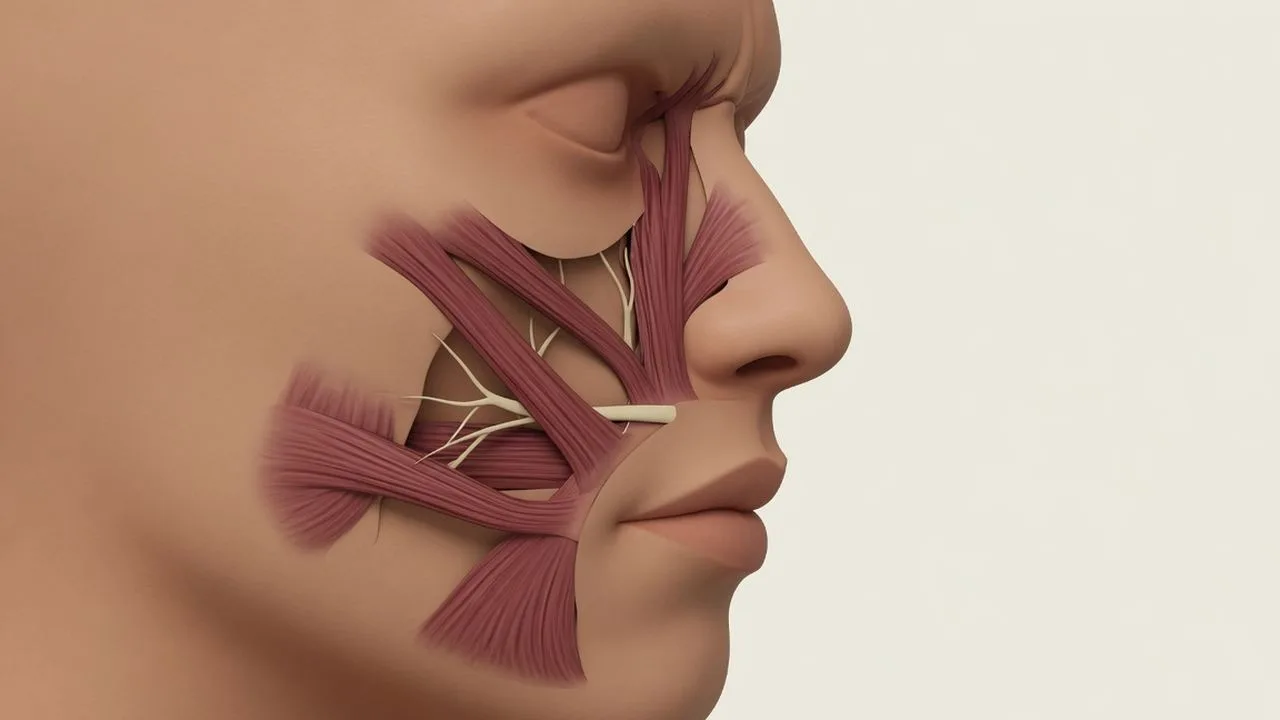
To minimise risks, the injection should be given by a registered health practitioner, such as a nurse, under the instruction of a registered medical practitioner who has experience in the field and who has personally consulted you. Most people describe the needle as an ant-bite sting lasting a few seconds.
- Before: a consult in person or by video, a full history, a risk discussion, and signed consent, with a copy for you.
- Product check: ask the brand and substance, and whether it is on the ARTG. Counterfeit or illegally imported stock is a documented problem.
- During: intramuscular injection into the agreed muscles, not a filler piped along a wrinkle.
- Who is in the room: the authorised prescriber, or a nurse they have authorised, with the prescriber still responsible.
How Long Do Botulinum Toxin Injections Last and What Aftercare Is Usual?
Wrinkle smoothing may last for up to six months. Toxin type A products also last weeks to months. Regular treatments are needed to maintain the effect.
Written instructions must be given afterwards: contact details, what was done, usual symptoms, what to do if pain or symptoms are unusual, activity restrictions, and follow-up dates if they apply.
Self-care after cosmetic injectables for the first few days is ordinary and local.
- Do not put treated skin into extremes of temperature, such as saunas.
- Keep treated areas clean. Do not touch or rub them.
- Paracetamol is the pain-relief option named for those days.
- See the medical practitioner if symptoms are unusual.
Further treatment in the short term or the long term is a possibility that must be discussed before you consent. Ask whether that later work sits inside the first written figure.
What Are the Risks of Botulinum Toxin Injections in Australia?
None of the Australian sources used here publish a rate or percentage for how often any of these effects occur.
Drooping eyelids, bruising, swelling and headache are the local issues usually listed. Harmful side effects can still occur when a registered health practitioner gives the injection. The risk may be greater if an unqualified person gives it. Longer "is it bad for you" questions sit on CostDoc's anti-wrinkle safety FAQ.
If used incorrectly, substances in cosmetic injections could cause skin damage, blindness or even death. Injection into the wrong area of the face may have those serious consequences. The person holding the needle needs the knowledge and training for that anatomy. Serious, life-threatening complications can occur. If they do, call triple zero (000) or go straight to the nearest emergency department.
Side effects, if they occur, are usually temporary and around the injection area:
- drooping of the eyelids
- headache and face pain
- redness, swelling, bruising and skin tightness
- muscle weakness, numbness or pins and needles
- nausea and blurred vision
| Question area | What to clarify before proceeding |
|---|---|
| Procedure team | Who is responsible for assessment, planning and each stage of the procedure |
| Written plan | The proposed procedure, expected scope, follow-up pathway and document handover |
| Risk discussion | Personal risks, benefits, alternatives and when to seek help |
| Quote scope | Inclusions, exclusions, potential additional costs and cancellation terms |
| Aftercare | Contact arrangements and continuity of care after the procedure, including out of hours |
- Ask which of those local effects the planned sites make more likely.
- Ask how emergencies are handled, and who you call after hours.
- Ask what further treatment would involve if the first result is not what was discussed.
What Affects the Cost of Botulinum Toxin Injections in Australia?
What you pay moves with which product and how much of it is used, which facial sites are treated, who prescribes and who injects, and whether later treatment is included, which depends partly on how long the effects typically last in the areas treated.
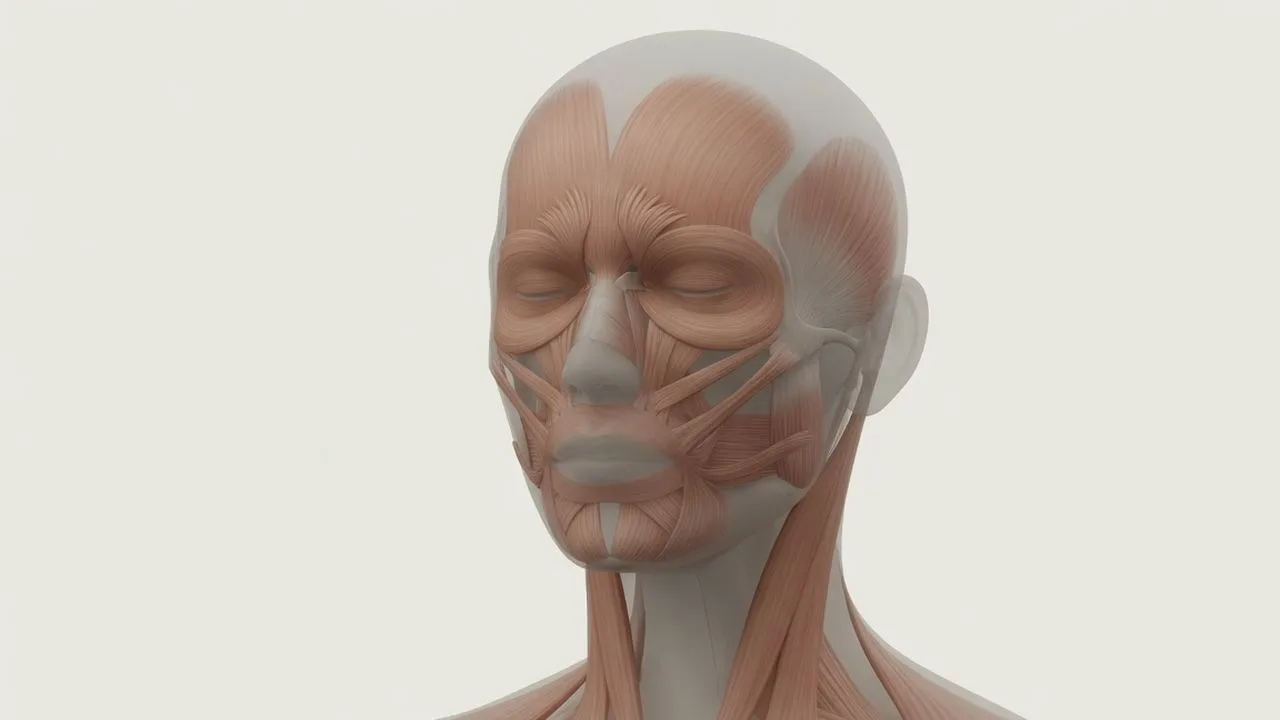
Written information before a non-surgical cosmetic procedure must set out the total cost, deposit and payment dates, refund of deposits, payments for follow-up care, possible further costs for revision or additional treatment, and advice that cosmetic procedures are not covered by Medicare. A practitioner must not offer, promote or recommend a loan or commercial payment plan as part of the procedure.
Compare the same items in each written quote:
- Product: type and quantity of the cosmetic injectable, and confirmation it is on the ARTG.
- Sites: which of the named facial areas are in scope.
- People: who prescribes, who injects, and their registration.
- Later work: whether further treatment sits inside the first figure.
- Money terms: deposits, refunds, follow-up payments and cancellation.
If you have a concern, raise it with the practitioner or clinic, with the health complaints body in the state or territory where the work was done, or with Ahpra. You should be told those pathways before the procedure, not only after a poor result.