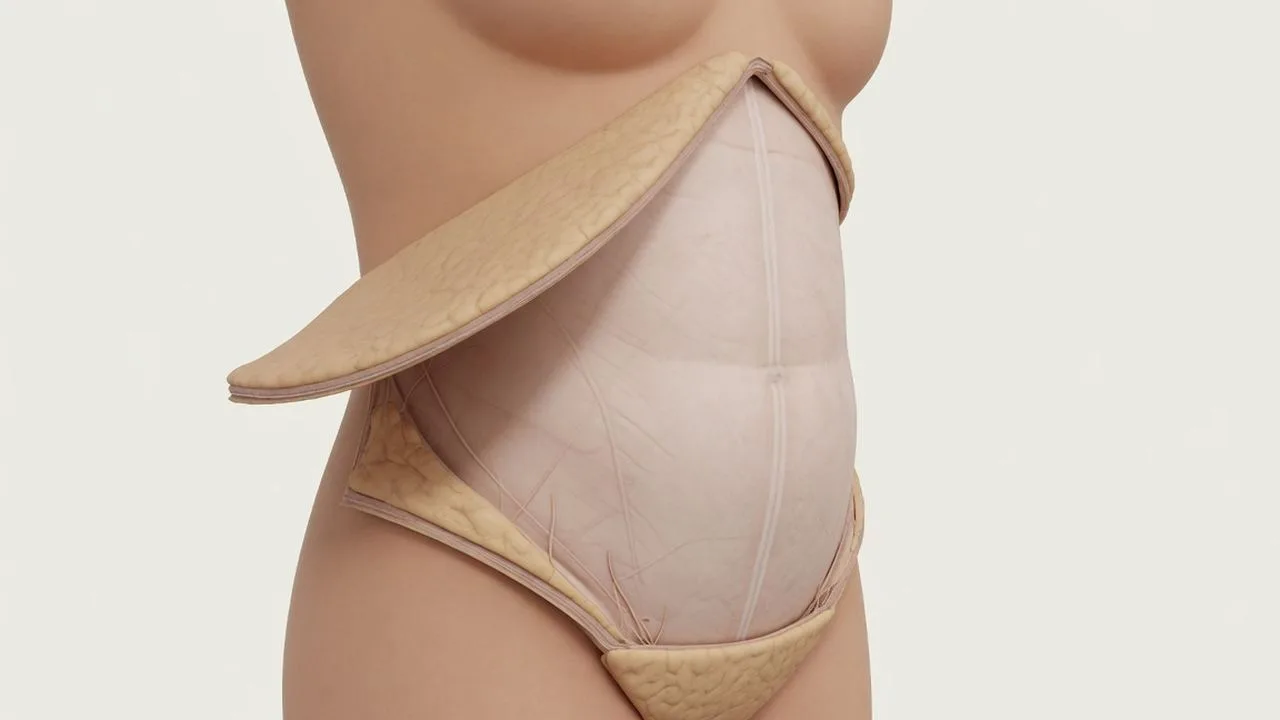
What Is Liposuction?
Liposuction removes fat from under the skin through surgery, and the fat comes from localised deposits in one or more areas of the body rather than from the body as a whole. It does not treat weight or general health: it is not a substitute for weight loss or a cure for obesity, and it will not help prevent cardiovascular disease or improve your general health.
What you pay is driven less by the label on the operation than by how much work it involves and where it happens. The things that move a liposuction out-of-pocket are:
- The number of areas treated, since each area adds operating time and surgical work.
- The size of those areas, because a large abdomen and a chin are not the same job.
- Whether a local or a general anaesthetic is used, which changes who is in the room and how you are monitored.
- The treating practitioner, whose registration, specialty and experience vary widely between people offering the same operation.
- The day surgery facility, which is billed for the theatre, the staff and the time you occupy it.
- The follow-up care included, meaning the review visits, dressings and garment fittings the fee does or does not cover.
Ask for a written quote that itemises each of those separately, so two quotes can be laid side by side rather than compared as two lump sums. Current prices are on the Liposuction cost page.
What Areas Can Liposuction Treat?
Common areas targeted include the thighs, buttocks, abdomen, arms, neck and under the chin. Which of those a practitioner will consider for you, and whether more than one is sensible in a single operation, is a clinical judgement made at assessment rather than something decided from a list.
| Area group | What to raise at assessment |
|---|---|
| Thighs and buttocks | Whether the area is treated on its own or alongside another, and how that changes theatre time |
| Abdomen | How the treating practitioner assesses your skin before planning the area |
| Arms | What scarring and garment wear the practitioner expects for that site |
| Neck and under the chin | How swelling in a visible area is managed and reviewed |
The number of areas matters for risk as well as scheduling: treating several areas, or larger ones, at once raises the risk. That makes the scope of the operation something to discuss carefully, not something to expand because it seems efficient to do everything at once.
How Is Liposuction Performed?
A person having liposuction will have either a local or a general anaesthetic. Which of the two applies to you, and why, is a decision for the treating team based on what they are planning to do.
Depending on the number of areas receiving treatment, the procedure can take up to two hours. That figure is a ceiling tied to scope, not a stopwatch that applies to any individual operation, so ask your practitioner what they expect for the areas you are considering.
Preparing for surgery
It is a good idea to speak to your GP before having cosmetic surgery. Before you choose to have a cosmetic procedure it is important to think carefully about your expectations and get a full explanation of the anticipated results. Ask your practitioner about possible side effects or complications and what you can expect after the procedure. To decrease the risk of complications, and for your general health and wellbeing, try to quit smoking before having surgery. Smokers are at increased risk of complications.
The procedure itself
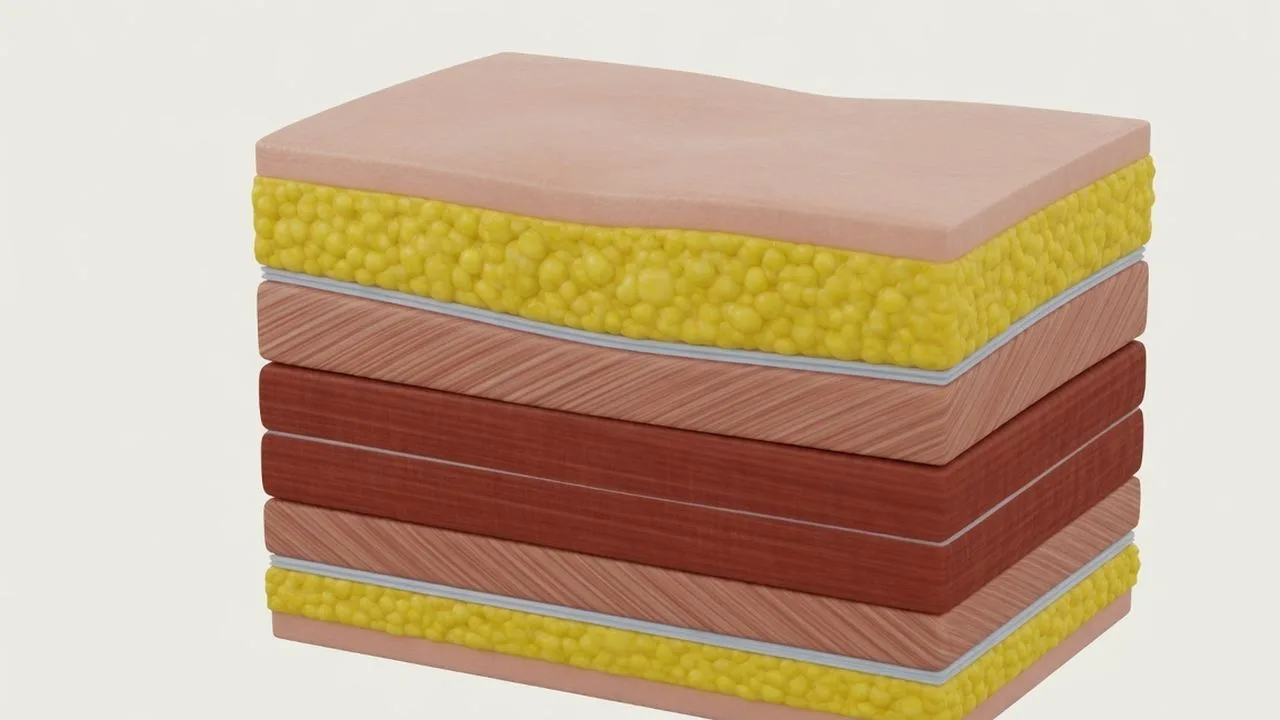
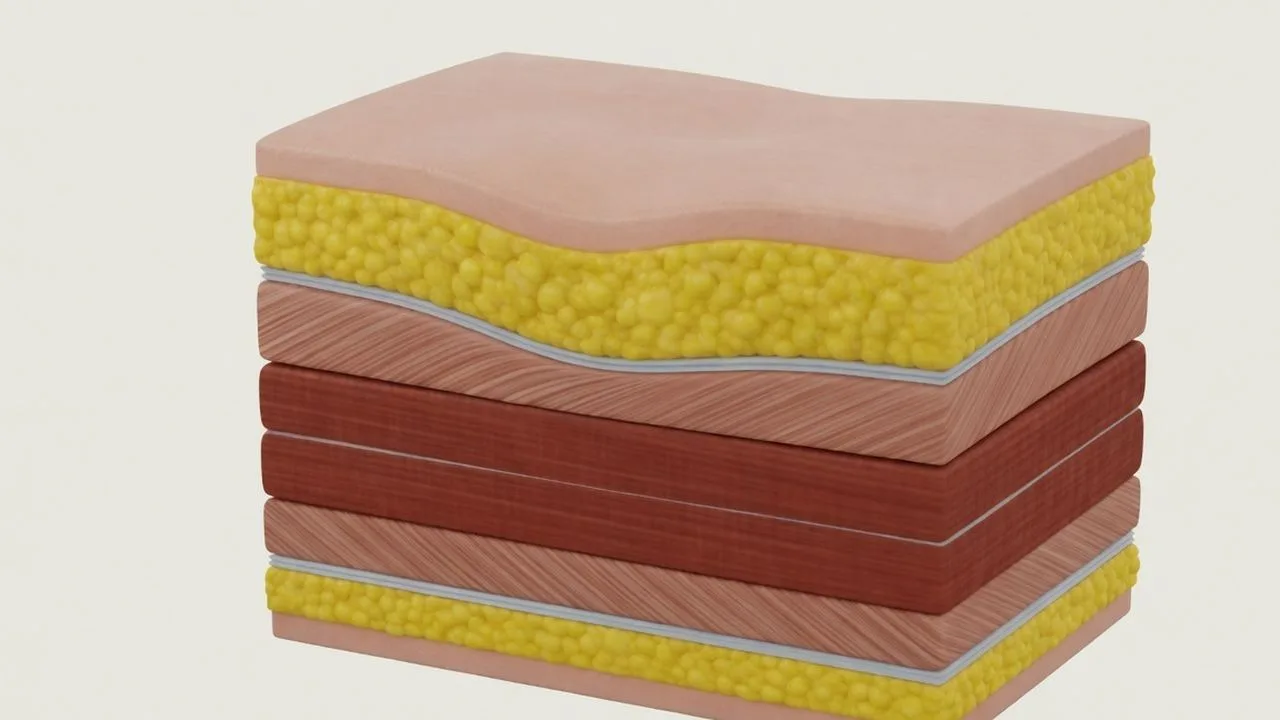
A tiny incision is made and a sterile liquid solution is infused to reduce bleeding and trauma. A cannula is pushed and pulled through the fat layer using a controlled back and forth motion to break up the fat cells. The fat can be turned into liquid or shaved off before being suctioned out. The patient is given intravenous fluids during and immediately after surgery to replace any fluid lost when the fat is removed.
What Does Liposuction Recovery Involve?
Recovery runs over weeks to months and involves pain managed with prescribed medicine, possibly a drain, a pressure garment and a staged return to activity. You should expect to have pain for many days, and your doctor will prescribe some pain relief medicine. Once the swelling has gone down you will be able to see the results, and this may take a few weeks or even several months.
The first few days
When you wake up after liposuction, you may find a thin tube draining fluid from the surgical site. You may be given antibiotics to prevent infection. You may need to take a few days off work to rest. Pain in this early period is expected rather than a sign something has gone wrong, and it is managed with medicine your doctor prescribes.
Liposuction recovery time, weeks and months afterwards
Your medical practitioner may ask you to start walking around as soon as possible to reduce swelling and help prevent blood clots forming in your legs. You may need to continue wearing your pressure garment for several weeks. Patients are usually told to avoid strenuous activity for about one month as the body continues to heal. You will usually see your medical practitioner 7 to 10 days after surgery to have your stitches removed.
Treat each of those timings as something your treating practitioner sets for your operation, not as a calendar you can lift and apply.
| Recovery element | What the treating practitioner decides for you |
|---|---|
| Walking after surgery | When you start moving and how much movement they want early on |
| Pressure garment | How many weeks you wear it and when it can come off |
| Strenuous activity | When the one month guide applies to you and what counts as strenuous |
| Stitch removal | Where in the 7 to 10 day window your review sits |
| Seeing the result | When swelling has settled enough to judge anything |
What Are the Limitations of Liposuction?
Liposuction has clear limits, and several of the things people hope it will fix are outside what it does. It is not an effective treatment for cellulite, which is the dimpled skin that typically appears on the thighs, hips and buttocks, or for loose, saggy skin.
- Dimpling generally persists. If your skin is dimpled before liposuction, it will probably still be dimpled afterwards.
- Excess skin may need separate surgery. If the extra skin does not contract after liposuction, you may need a further procedure to remove excess skin.
- Judging the result takes time. The final results may take a few months to emerge, so it is important to wait before making any decisions about the necessity for further surgery.
That last point matters commercially as well as clinically. A decision about more surgery made in the first weeks is a decision made while swelling is still present.
What Are the Risks of Liposuction?
All surgery carries some degree of risk. The complications below are set out without rates attached, because the published Australian guidance for patients does not attach them either.
Common complications
Common complications and unwanted results of liposuction include uneven skin with ripples or dimples, baggy skin, numbness or reduced sensation in the skin, scarring, slow healing, bruising and swelling, and pockets of fluid under the skin, and you can ask your practitioner how each would be identified and managed. Take that list into the consultation and work through it item by item rather than accepting a general reassurance about how the operation usually goes.
Serious complications
Serious complications, which are less common, can include blood clots in the legs that can travel to the lungs and cause serious illness, excessive fluid loss that can lead to shock, burns to the skin or deeper tissue from the ultrasound used to liquefy fat, and infection in the fatty tissues that can be hard to treat, and you can ask your practitioner how each is prevented, detected and treated. Recognised risks include damage to deeper structures such as nerves, blood vessels, muscles, lungs and abdominal organs, and you can ask your practitioner how this risk applies to the areas you are considering. Recognised risks include the formation of blood clots or fat clots, which may migrate to the lungs and cause death, and you can ask your practitioner what is done to reduce and monitor this risk. The risks of liposuction increase if a large number of body areas are treated at the same time, or if the areas operated on are large in size. Smokers are at increased risk of complications.
| Question area | What to clarify before proceeding |
|---|---|
| Procedure team | Who is responsible for assessment, planning and each stage of the procedure |
| Written plan | The proposed procedure, expected scope, follow-up pathway and document handover |
| Risk discussion | Personal risks, benefits, alternatives and when to seek help |
| Quote scope | Inclusions, exclusions, potential additional costs and cancellation terms |
| Aftercare | Contact arrangements and continuity of care after the procedure, including out of hours |
For the fuller safety and alternatives comparison, see liposuction and tummy tuck risks.
Who Is Liposuction Suitable for?
Suitability is assessed by the treating practitioner, not worked out from a list. Healthdirect states that liposuction works best for people of normal weight who have firm, elastic skin but have excess fat in certain areas, and whether it suits any individual is a matter for the treating practitioner to assess. The Better Health Channel states that liposuction is suitable if you have bulges that persist despite a healthy diet and exercise, and whether that applies to any individual is a matter for the treating practitioner to assess.
Those two descriptions overlap but are not a threshold you can measure yourself against, and neither of them addresses the things liposuction does not do. It is not an effective treatment for cellulite or for loose, saggy skin, so a person whose main concern is skin texture is asking about a different problem.
How Do You Check a Practitioner's Qualifications?
Healthdirect states that liposuction should be performed by a specialist plastic surgeon. You can check that before you book, and the checking is done on the individual, not on the clinic's branding.
Registration and specialist titles
In Australia it is currently legal for any doctor with a basic medical degree to perform cosmetic surgery. Doctors are not allowed to use the title surgeon, for example cosmetic surgeon, unless they have specialist registration. You can search the AHPRA register for an individual doctor by name to check whether that doctor is qualified as a surgeon. The AHPRA register will also tell you if a doctor is facing any serious disciplinary action.
Search the name of the person who will hold the instruments, not the practice name on the website, because the register records individuals. NSW Health states that for the surgical cosmetic procedures it lists, the clinic should be licensed as a private health care facility and the procedure should be performed by a registered medical practitioner.
A clinic that deals plainly with you will put the answers to the following in writing:
- Who performs each stage, from assessment and planning through to the operation itself.
- The registration and relevant experience of that named person, checkable on the register.
- What the written quote includes and excludes, itemised rather than bundled.
- How follow-up and complications are handled, and by whom.
- What happens if you are unhappy with the outcome, including who you contact first.
Consent and second opinions
Before cosmetic surgery you should be offered a consent form advising of possible risks and a cooling off period to consider whether to proceed with the proposed surgery. Consider asking another medical practitioner for a second opinion. A second opinion is a normal part of comparing a plan for invasive surgery, and it is worth arranging while the cooling off period is still running rather than after a date is booked.
What If Something Goes Wrong After Liposuction?
You can also see your doctor if something goes wrong after having cosmetic surgery. That is separate from a formal complaint, which goes elsewhere.
- AHPRA: if you have concerns about the quality or outcomes of your cosmetic surgery you can call the AHPRA Cosmetic Surgery Hotline on 1300 361 041.
- New South Wales: complaints concerning the quality of cosmetic procedures can be referred to the Health Care Complaints Commission.
Knowing both routes before you book is more useful than finding them afterwards, because it tells you what a clinic's own complaints process sits alongside. If your concern is clinical rather than about conduct, seeing a doctor comes first.