Two questions decide most of what follows: who would perform the operation, and what your own recovery would demand of you. Neither is settled by reading, and both belong in a consultation with the practitioner who would treat you. What the answers look like depends on how much surgery is involved, so another person's experience is a weak guide to your own. Before that consultation, you can look up the individual practitioner on the Ahpra register, since it is the person rather than the clinic brand that holds the registration.
See the Tummy tuck cost page for pricing and rebate amounts, and the Medicare page further down for Medicare questions. This page is general information only and is not medical advice.
What Is a Tummy Tuck?
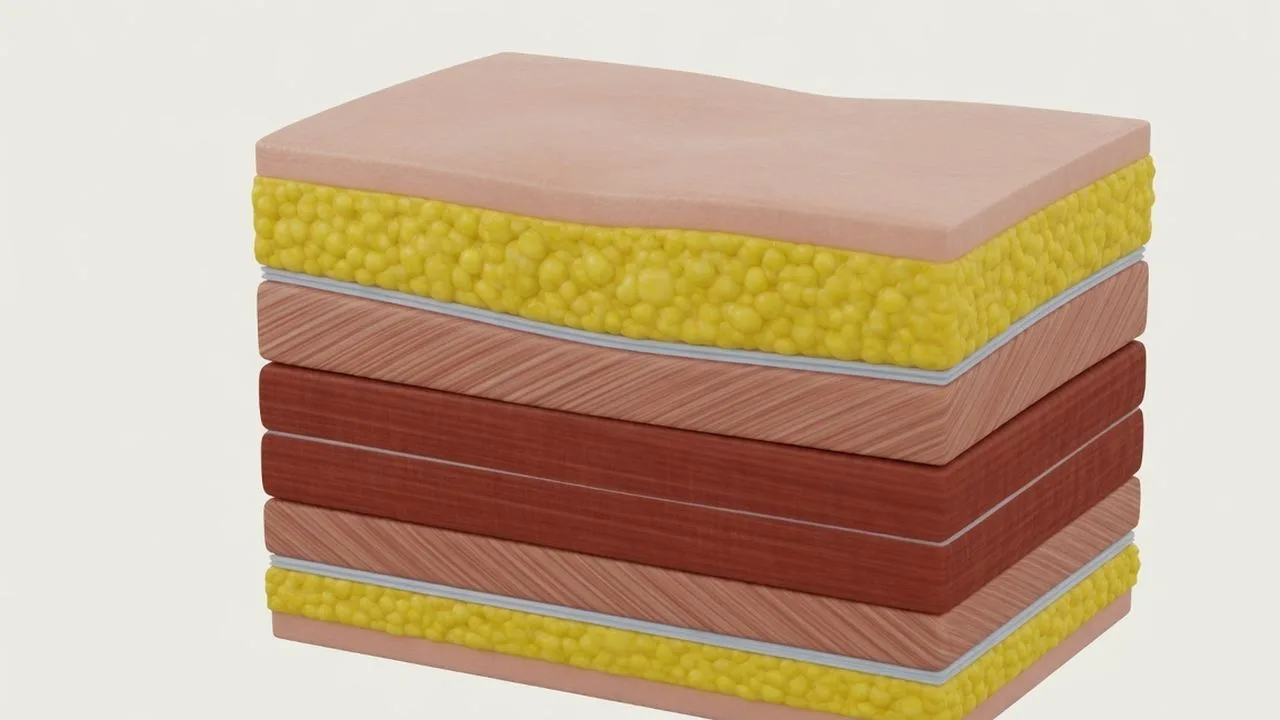
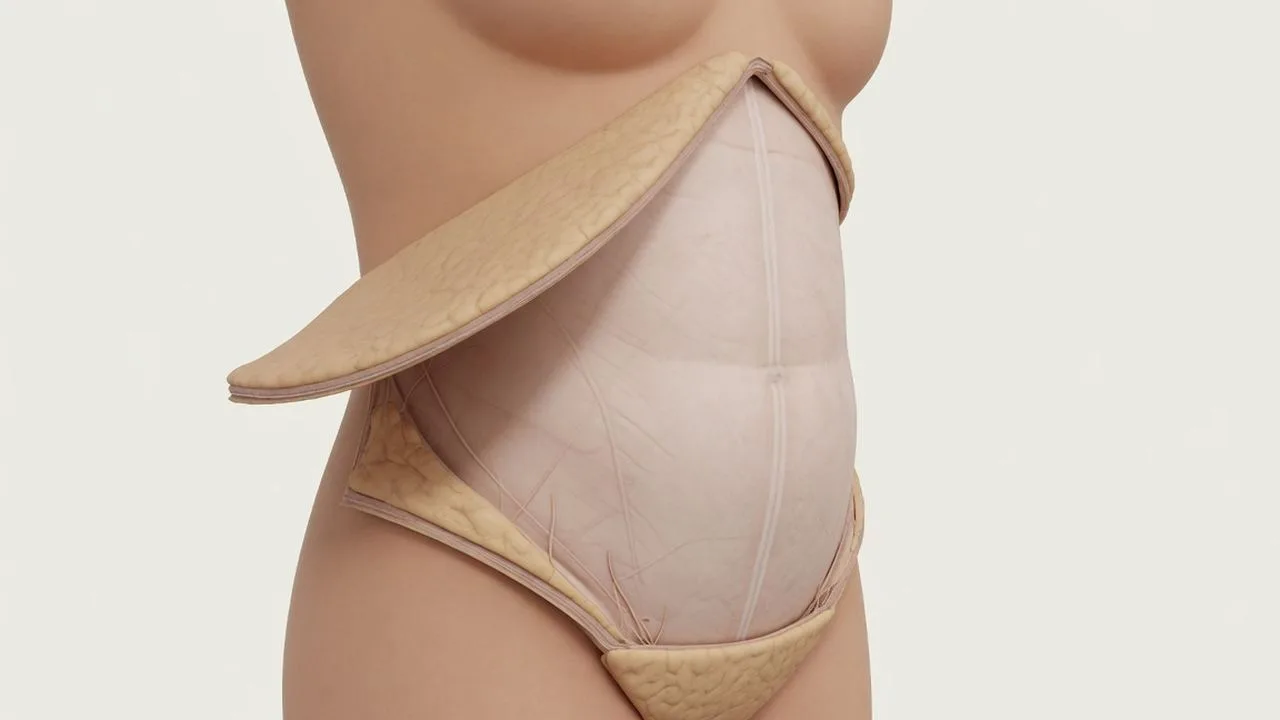
The operation involves removing excess loose or sagging skin and fat tissue from the tummy area. Abdominoplasty is the medical name for it, and the stated aim is a change to the shape of the abdominal area. Separated abdominal muscles may also be repaired during the procedure, though that is not part of every operation.
Those two components, the skin and fat removal and the muscle repair, are what people are usually talking about when they compare one surgeon's plan with another's. They also drive how long you spend in theatre and what appears on a written quote.
| What you are looking for | Where it is answered |
|---|---|
| How tummy tuck compares with liposuction on alternatives and risks | Tummy tuck and liposuction alternatives and risks |
| What a tummy tuck costs and what moves the out of pocket | Tummy tuck cost |
| Rebates and how Medicare treats tummy tuck | Tummy tuck and Medicare |
| Other cosmetic surgery procedures and their costs | Cosmetic Surgery |
Why Might Someone Have a Tummy Tuck?
A tummy tuck may be done to correct abdominal changes caused by pregnancy, obesity, extensive weight loss, trauma, tumours or other conditions. That list describes the circumstances the operation is used in, not a set of conditions it treats or cures.
Tummy tuck after pregnancy
Abdominoplasty is cosmetic or reconstructive surgery, used to tighten muscles that have become loose or split following pregnancy. Whether muscle separation is present in your case, and whether repairing it forms part of any proposed operation, is something the practitioner assesses in person at the consultation.
Tummy tuck after weight loss
The procedure is also used to remove fat and extra loose skin from the abdomen after massive weight loss. How much skin is involved varies from one person to the next, so the scope of surgery discussed at a consultation after weight loss can look different to the scope discussed after pregnancy.
What Is a Tummy Tuck Not a Substitute for?
Abdominoplasty is not a substitute for weight loss or exercise. Many medical practitioners recommend that it be considered only after dieting and exercise have achieved the right body shape underneath. Having an abdominoplasty will not stop you gaining weight in the future.
This matters for how you read a consultation. A surgeon who raises diet, exercise and weight stability before discussing surgery is following the usual sequence. Where you sit in that sequence is a judgement for the practitioner who examines you. Ask the practitioner how diet, exercise and weight stability apply to you before any operation is planned.
Who Should Perform a Tummy Tuck?
The procedure should be done by a medical practitioner who is specially trained to perform abdominoplasty and who has a lot of experience. Cosmetic surgery is not a recognised specialty in Australia and the title cosmetic surgeon is not protected, so practitioners using that title do not necessarily hold a specialist qualification.
That gap between a title and a qualification is the reason to check. A register can be searched to see whether a surgeon is a Fellow of the Royal Australasian College of Surgeons. The Ahpra register confirms that a person is registered to practise in Australia and shows whether conditions are attached, but it does not by itself show a specialist qualification. Neither check tells you what result you will get; both tell you who you are dealing with.
Do You Need a Referral for a Tummy Tuck?
A referral from your doctor to the surgeon is required before this procedure. It is advisable to be referred to a medical practitioner by your GP.
A referral is a step in the pathway, not a verdict on cost or cover. Treat the GP appointment as the first place to raise what you want changed and why, because that conversation shapes which surgeon you are sent to and what the surgeon is told before you arrive.
Ask your GP for a referral to the surgeon, and ask the surgeon to confirm the referral is in place before the procedure.
How Do You Check a Practitioner's Registration?
The Ahpra website can be used to confirm that a person is registered to practise in Australia and whether there are any conditions attached to their registration. Search the individual practitioner rather than the clinic brand, because registration is held by the person who would operate.
What the register shows and what it does not are worth separating. It confirms registration status and shows conditions, and it does not establish that a practitioner holds a specialist qualification in the area you are asking about. Cosmetic surgery not being a recognised specialty in Australia is what makes that distinction practical. If a clinic will not tell you the name of the practitioner who would perform your operation, you cannot complete this check at all.
What Does a Surgeon Assess Before a Tummy Tuck?
Before a surgeon will perform this operation you usually need to be at a stable weight. You also need to discuss your current medical status, including your physical health, with your medical practitioner.
Neither of those is a threshold you can apply to yourself from home. What counts as stable, and what your medical history means for the proposed operation, is assessed by the practitioner in front of you.
Future pregnancy or weight loss plans
If you are planning substantial weight loss or considering future pregnancies, the operation should be postponed, and that is a matter to work through with your treating practitioner. You may be asked to consider delaying the procedure if you are planning to get pregnant again, as the result of the surgery may be lost. Raise your plans early, because they change the timing conversation.
What Happens Before a Tummy Tuck?
Your surgeon will take a complete medical history, and you should take notice of any pre-surgery instructions you are given. The medical practitioner should require that history and discuss any current medications you take.
Consent is the other half of the pre-operative process. Informed consent means agreeing to treatment only after you have been given enough information about your options, including the risks, the likelihood of those risks and the benefits, and in most cases you can change your mind after you have given consent. NSW Health states that you should be offered a consent form advising of possible risks and a cooling off period to consider whether to proceed.
What Are the Risks of a Tummy Tuck?
Like any surgery, a tummy tuck comes with risks, and those risks are to be gone through in detail with the surgeon who would operate. The Better Health Channel lists risks of cosmetic procedures as problems related to anaesthesia and surgery, excessive bleeding, infection, scarring and failure to heal. Better Health Channel puts no figure on how often any of these occurs.
Where you want risk set against liposuction or other options, that comparison sits on tummy tuck and liposuction alternatives and risks.
| Question area | What to clarify before proceeding |
|---|---|
| Procedure team | Who is responsible for assessment, planning and each stage of the operation |
| Written plan | The proposed operation, expected scope, follow-up pathway and document handover |
| Risk discussion | Personal risks, benefits, alternatives and when to seek help |
| Quote scope | Inclusions, exclusions, potential additional costs and cancellation terms |
| Aftercare | Contact arrangements and continuity of care after the operation, including out of hours |
Numbness and changed skin sensation
Numbness or changes in skin sensation are recognised risks, and while sensation usually improves after several months it could be permanent. Put this one to the surgeon directly, because the answer depends on the extent of surgery being proposed for you. Healthdirect publishes no figure for how often this occurs.
Wound infection
Wound infection is a recognised complication and treatment with antibiotics might be required, so ask your practitioner what signs of infection to watch for and who to contact. Ask those questions before the day of the operation. Put those infection questions on the written list you take into the consultation. Better Health Channel does not say how often this occurs.
Blood clots and DVT
Blood clots are a recognised complication and may become life threatening if they move to the lungs. A blood clot in a leg or the chest, known as a deep venous thrombosis, is a recognised complication that will require further treatment. Two things to settle beforehand: what the team does to reduce this risk, and which symptoms mean urgent care. There is no published rate for how often this happens.
Haematoma
A haematoma, an accumulation of blood around the surgical site, is a recognised complication and may require drainage. Because it is managed after the operation, it belongs in the same conversation as your follow-up arrangements and who covers them. No rate for how often this happens appears in the Australian Society of Plastic Surgeons material.
Seroma
Excess fluid can build up under the skin as a seroma around an operated site, and it may require one or more drainage procedures with a needle. Like a haematoma, this is a complication handled in follow-up appointments, so ask how those appointments are arranged and by whom. The Australian Society of Plastic Surgeons does not put a number on how often this occurs.
What Is Tummy Tuck Recovery Like?
Recovery may be slow, and bruising, swelling and pain are likely afterwards, according to healthdirect. Strenuous exercise and heavy lifting should be avoided for at least one month.
That one month applies to a specific pair of activities and is not the point at which recovery ends. Work, driving, ordinary daily tasks and returning to sport are separate questions, and the treating team answers them for your case.
Ask the surgeon what bruising, swelling and pain to expect in your case, and how the one month for strenuous exercise and heavy lifting applies to you.
How Long Does Abdominoplasty Recovery Take?
Recovery timing is individual, but the NHS's general guidance is 4 to 6 weeks away from work and exercise, with most usual activities resuming by around 6 weeks. The treating surgeon tailors the exact plan to your own operation and health. This is not a guaranteed final-healing date; scars can keep fading for 12 to 18 months.
Scarring will be permanent but should fade in time, and that may take around a year or so. Your surgeon will give you specific instructions on post-operative care, and what abdominoplasty recovery time to expect in your own case is a question for that surgeon.
The scar timeline and the recovery timeline are different things, and people often conflate them when comparing notes with someone who had the operation. One describes how an incision settles over months; the other describes when you can lift, exercise and return to normal activity.
What Should You Ask Before You Book?
Take a written list into the consultation. Every question below has an answer that belongs to the practitioner who would operate, and none of them resolves to a yes or a no about whether you should proceed.
- Who performs each stage of the operation, and who is present in theatre?
- What is your registration status, and what conditions, if any, are attached to it?
- What are the recognised risks in my case, and what alternatives exist?
- What signs of infection should I watch for, and who do I contact when I see them?
- What is done to reduce the risk of blood clots, and which symptoms need urgent care?
- Could I lose feeling in the skin of my abdomen, and for how long?
- What should I expect during my own recovery period, and who reviews me?
- What does the written quote include, what does it exclude, and what would be charged separately?
- Who manages complications and revision care, and where does that happen?
- What happens if I am unhappy with the outcome?
What Should You Do If You Have a Concern About Your Care?
If you feel your rights have been denied or you did not get the care you should have, you can make a complaint, and it is a good idea to speak to the health professional first. If you do not feel comfortable with the medical practitioner, you can seek a second opinion.
Beyond the clinic, the pathway depends on what the concern is about and where you live. In New South Wales, complaints concerning the quality of cosmetic procedures can be referred to the Health Care Complaints Commission. Each state and territory has its own health complaints body. If your concern is about the behaviour of a health practitioner, you can contact the Australian Health Practitioner Regulation Agency.
What Affects What a Tummy Tuck Costs?
Scope is the main variable. The length of the operation depends on the extent of the surgery, so a plan involving a small amount of skin and fat removal is a different piece of work to one covering a larger area. Whether separated abdominal muscles are also repaired changes that scope again. The practitioner, the facility and how much follow-up care is included in the arrangement all sit on the quote as well.
- How much skin and fat are removed. Extent drives theatre time and what appears on a written quote.
- Whether muscle repair is included. Separated abdominal muscles may be repaired in some operations and not others.
- Who operates and where. The practitioner and the facility both sit on the quote.
- What follow-up is bundled. Review appointments, drain management and complication pathways can sit inside or outside the written estimate.
- What the quote excludes. Compare inclusions and exclusions across written quotes before you compare anything else.
Figures, rebate amounts and coverage positions are set out on the Tummy tuck cost page and on Tummy tuck and Medicare. When you compare two written quotes, compare what each one covers before you compare anything else.