What Side Effects Are Common After a Vasectomy?
Bruising, pain and swelling in the groin or scrotum are common for a few days. They start after the anaesthetic wears off. They are the usual early picture, not a personal timetable.
Wound-site lumps, infection, scarring, and pain that usually lasts a few days are also named. There is a small risk of pain, bleeding, bruising and infection after any operation of this kind.
- Pain relief: paracetamol, ice-packs and tight-fitting supportive underwear can help.
- Rest: a few days off heavy lifting eases pain and swelling.
- Wound care and sex: your doctor explains both, including when sexual activity can restart.
The day-by-day rest window sits on CostDoc's vasectomy recovery timeline.
What Is Haematoma After a Vasectomy Compared With Ordinary Swelling?
Haematoma is named separately from ordinary swelling, in about 1 to 2 percent of cases. Ordinary swelling is common for a few days with the bruising and pain. Haematoma sits with bleeding as a complication, not as the expected puffiness.
Bleeding during or after the procedure is a listed risk, as is infection of the wound or scrotum. The licensed surgical guide also names bleeding as a general surgical risk. Significant swelling is one of the reasons to contact a doctor rather than wait it out.
| Picture | What the sources support |
|---|---|
| Bruising, pain and swelling for a few days | Usual early effects after the anaesthetic wears off. |
| Haematoma | Named with infection at about 1 to 2 percent of cases. |
| Bleeding | A listed complication during or after the procedure. |
| Significant swelling | A reason to contact your doctor, clinic or local hospital. |
To reduce bleeding risk, the licensed surgical guide says not to ejaculate or do strenuous exercise such as running or cycling for 5 to 7 days. That is a bleeding precaution, not a gym plan.
Can a Vasectomy Wound Become Infected?
Infection of the wound or the scrotum is a named vasectomy risk. It is grouped with haematoma at about 1 to 2 percent of cases. Significant redness around the cut is the sign Healthdirect flags as possible infection.
- Named sites: the surgical wound, or the scrotum.
- How often it is quoted: about 1 to 2 percent of cases, in the same band as haematoma.
- When to call: significant redness around the cut, alongside the other contact-the-doctor signs.
Do not treat a pink edge as proof of infection, and do not ignore spreading redness. The treating doctor decides what the wound needs.
What Longer Pain, Sperm Granuloma or Epididymitis Can Follow a Vasectomy?
Ongoing pain is a named risk after a vasectomy. After recovery, long-term scrotal pain affects 1 to 2 percent of cases. Sometimes pain can last for months, but that is rare. Those two figures come from different pages. Neither is a forecast for you.
A sperm granuloma is a small painful swelling caused by sperm leaking after a vasectomy. It forms on the cut end of the tube. It usually settles. Another procedure is sometimes needed. Congestive epididymitis is where the tube-like structure that stores sperm gets blocked, causing pressure and pain.
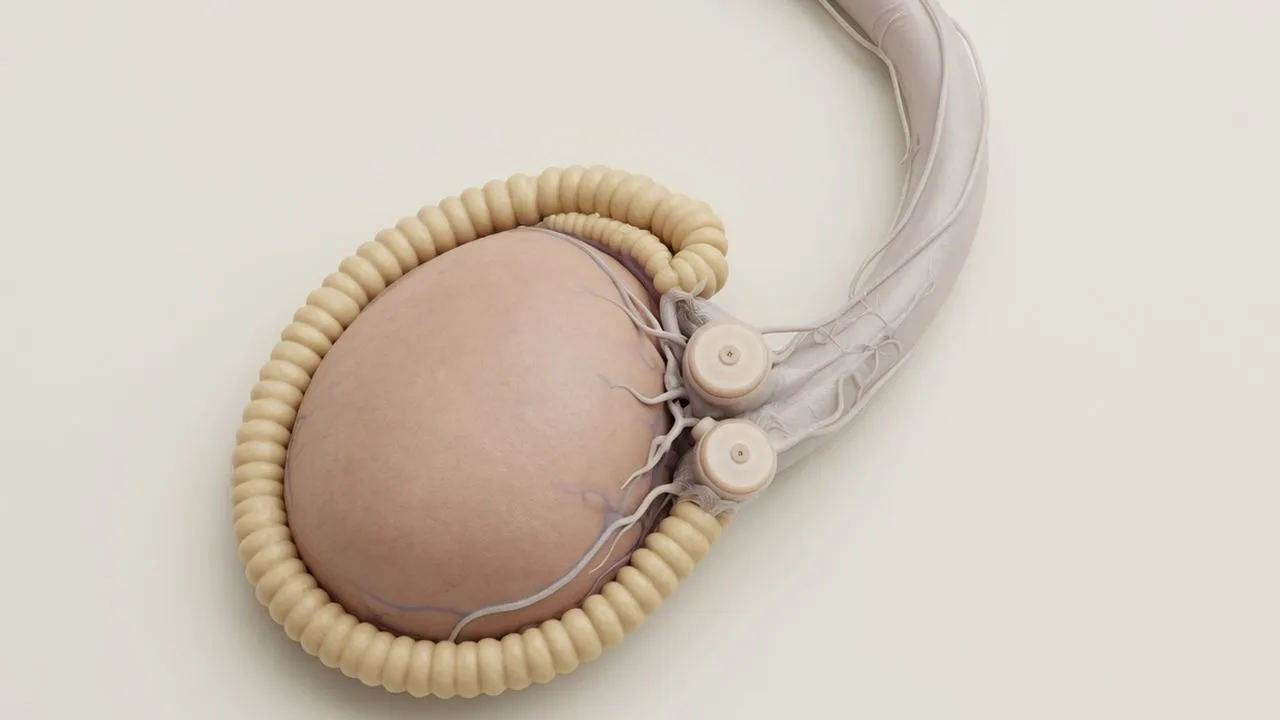
| Named problem | What the sources support |
|---|---|
| Ongoing pain | Listed with bleeding, infection and a small lump at the cut. |
| Long-term scrotal pain | 1 to 2 percent of cases after recovery. |
| Pain lasting months | Rare on Better Health Channel. |
| Sperm granuloma | Small painful swelling from leaked sperm. Usually settles. Another procedure is sometimes needed. |
| Congestive epididymitis | The sperm-storage tube is blocked, causing pressure and pain. |
Long-term pain in the testicles, sperm granuloma and congestive epididymitis are the specific complications on the licensed surgical guide. None of those labels is a self-diagnosis.
Does a Vasectomy Change Sex, Testosterone or Cancer Risk?
Libido, orgasm and testosterone are unchanged. The cut stops sperm moving along the vas deferens. It does not stop the testes making testosterone. Semen should look the same. Sperm is only 5 to 10 percent of the volume, and the body absorbs the sperm the testes still make.
- Sex drive and orgasm: unchanged.
- Testosterone: unchanged, because the testes still make it.
- Semen: amount and colour should look as they did.
- STIs: a vasectomy does not protect against HIV or other sexually transmitted infections.
- Mood: mental health is rarely affected, though that can happen if counselling was thin or you already have mental health issues.
Healthy Male states that vasectomy does not increase prostate cancer, cardiovascular disease or dementia, and is not linked to testosterone changes, prostate cancer or heart disease. That is not a screening plan. Raise any cancer worry with your doctor.
| Topic | What the sources support |
|---|---|
| Libido and orgasm | Unchanged. |
| Testosterone | Unchanged. The testes still make it. |
| Semen look | Should stay the same. Sperm is 5 to 10 percent of volume. |
| Prostate cancer, heart disease, dementia | Not listed as raised risks. |
| STIs | No protection. |
Can a Vasectomy Fail or Can the Tubes Join Again?
Sometimes a vasectomy does not work. Rarely, the vas deferens can grow back together, which can lead to pregnancy. Other contraception stays in place until a semen test shows there is no sperm.
A sperm test around three months tells you whether other contraception can stop. Sometimes sperm takes many months to clear. Keep using another method until your doctor confirms a sperm-free sample.
The named failure figures are not one study:
- Healthdirect general page: fewer than 1 in 1,000 partners get pregnant in the first year.
- Licensed surgical guide: failure rate fewer than 2 in 1,000.
- Healthy Male topic page: pregnancy in about 1 in 700 couples in the first year.
- After a sperm-free test: pregnancy is believed to be very rare. Low numbers of sperm can still appear for a short period in 1 in 150 to 1 in 200 men.
- After confirmed success: the possibility of causing a pregnancy is 1 in 2,000.
Those five figures come from different pages. None is a personal guarantee. Blood in semen can also follow a vasectomy. Ask the surgeon how long that is expected to last.
When Should I See a Doctor After a Vasectomy?
Severe bruising, unrelieved pain, significant swelling or redness around the cut need a doctor. Contact your doctor, medical clinic or local hospital rather than waiting for a booked review.
Healthdirect lists those four signs. Severe bruising may look purple or blue, depending on your skin tone. Severe pain means pain that paracetamol does not ease. Significant redness around the cut can be infection.
- Severe bruising in the groin or scrotum.
- Severe pain that does not go away with paracetamol.
- Significant swelling, beyond the usual few days of puffiness.
- Significant redness around the cut.
- Blood in semen after the procedure: ask the surgeon how long it should last.
If the problem is the service, the fee or the outcome rather than an acute wound, start with the practitioner or clinic. Ahpra can look into safety concerns about registered practitioners. Fee, record or service complaints go to the health complaints organisation in your state or territory.
What Should I Ask Before a Vasectomy?
Write the answers down so two practitioners can be compared on the same terms.
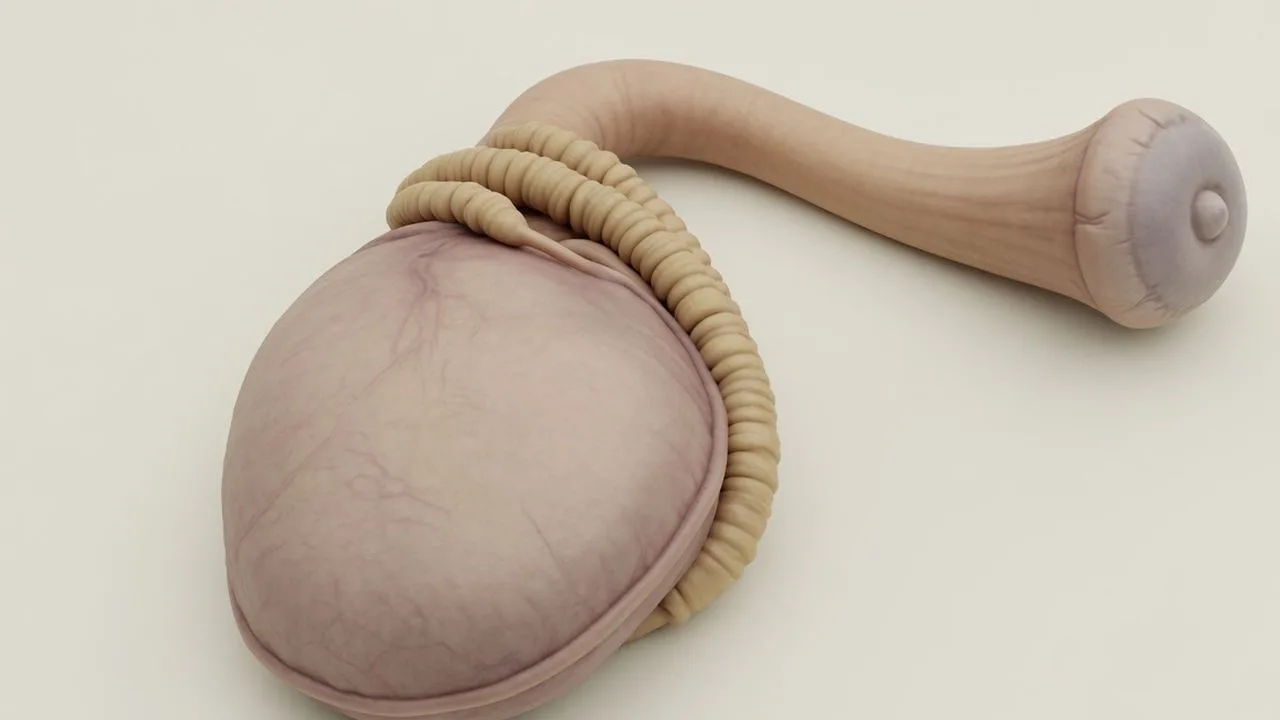
Some GPs, general surgeons and urologists perform vasectomies. You can have the work at a public or private hospital or clinic, awake with local anaesthetic or asleep with a general anaesthetic. You need a check-up first. The doctor explains the procedure, checks it is appropriate, and answers questions so you can decide.
| Question area | What to clarify before proceeding |
|---|---|
| Procedure team | Who is responsible for assessment, planning and each stage of the procedure |
| Written plan | The proposed procedure, expected scope, follow-up pathway and document handover |
| Risk discussion | Personal risks, benefits, alternatives and when to seek help |
| Quote scope | Inclusions, exclusions, potential additional costs and cancellation terms |
| Aftercare | Contact arrangements and continuity of care after the procedure, including out of hours |
Look the named person up on the Ahpra public register, not the clinic brand. Appearance on the register means they are allowed to practise, and shows any conditions. It is not a skill badge for this operation.
- Which method are you proposing, and why for me?
- Will I be awake or asleep, and where will this be done?
- What bleeding, infection, lump, ongoing pain and failure figures apply to me?
- When do I give a semen sample, and what do I use until then?
- Who do I call if bruising, pain, swelling or redness is severe?
You are more likely to want a reversal if you are under 30, do not have children, or are having trouble in a current relationship. That is a counselling point, not a refusal. Get two written quotes that itemise the same setting and the same follow-up test.
How Much Does a Vasectomy Cost in Australia?
Setting, anaesthetic and who operates are the usual reasons two quotes differ. Current prices, and whether Medicare covers a vasectomy, are on CostDoc's vasectomy cost page and vasectomy and Medicare page.
The live range is a starting point for questions, not a quote. What moves it:
- Where it is done: a public or private hospital, or a clinic.
- Awake or asleep: local anaesthetic in a clinic, or a general anaesthetic in hospital.
- Private hospital: you may have to pay, depending on your private health insurance. Ask the insurer about cover, and ask the doctor about referral options.
- Who does it: some GPs, general surgeons or urologists.
- What is in the first figure: the follow-up semen test, and who you call if bleeding or infection shows up.
Also on CostDoc: Urology.