What Is a Vasectomy and How Does It Work?
Vasectomy is a surgical method of permanent contraception for people who are sure they do not want children, or any more children. Healthdirect notes that about 25,000 people in Australia choose it each year.
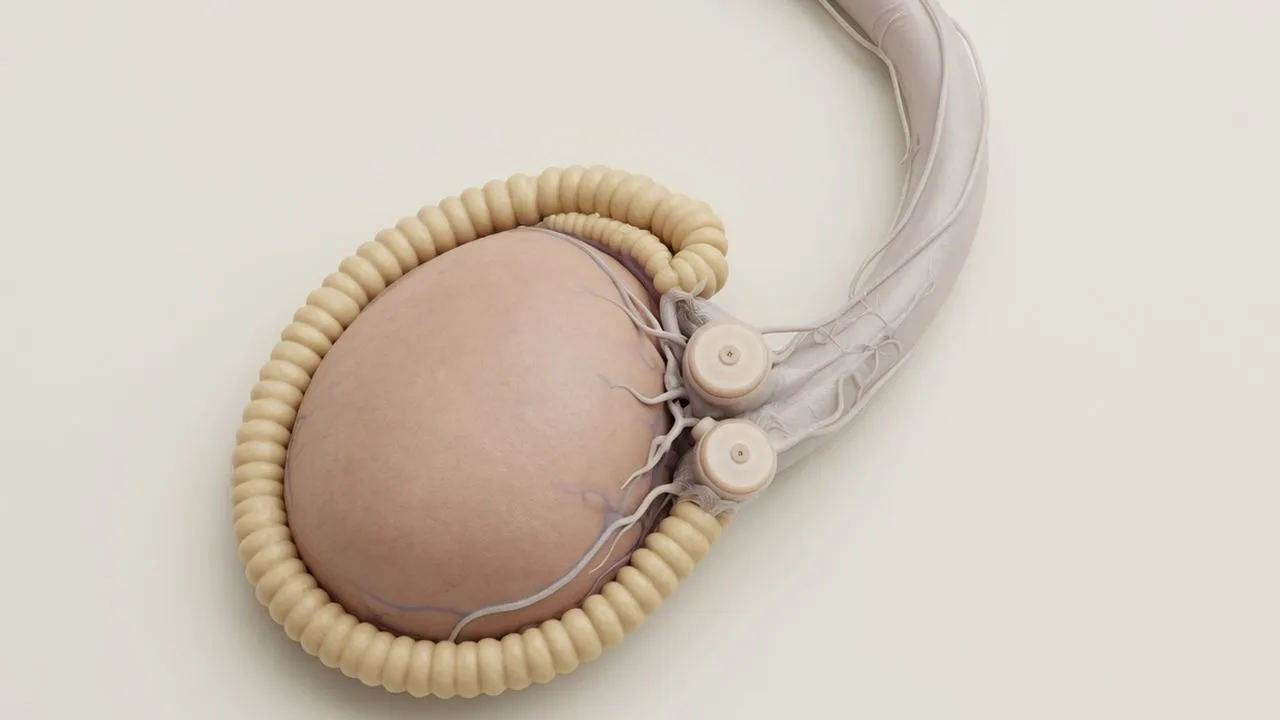
The vas deferens is the tube that connects each testis, where sperm is made, to the penis. The surgeon cuts that tube on both sides. A small length is usually removed so sperm cannot travel further through the reproductive system. After that, sperm cannot reach the penis when you ejaculate. The testes keep making sperm. The body absorbs it. Semen volume and colour should look as they did before, because sperm is only 5 to 10 percent of the fluid.

- The tube is cut on both sides.
- Sperm is still made. It does not leave with the semen.
How Effective Is a Vasectomy?
Healthdirect describes it as the most effective form of male contraception, with fewer than 1 in 1,000 partners getting pregnant in the first year. A licensed surgical guide on the same site puts the failure rate at fewer than 2 in 1,000. Those figures come from different pages. Neither is a personal guarantee.
It does not work on the day. Leftover sperm needs time and ejaculations to clear, which can run to several months. Until your doctor confirms the semen is sperm-free, use another method of contraception. Sometimes a vasectomy does not work.
Healthy Male notes that after a successful, sperm-free result, pregnancy is believed to be very rare, though low numbers of sperm can still appear for a short period in 1 in 150 to 1 in 200 men. Rarely, the cut tubes can grow back together.
- Keep other contraception until the semen test is clear.
- First-year pregnancy figures on Healthdirect's two pages are not the same study.
Is a Vasectomy Right for Me?
Treat it as permanent. Talk to your doctor if there is any chance you might want children later. You can choose to freeze and store sperm before the procedure. If you are in a relationship, Healthy Male also asks you to consider whether you might want children if that situation changed. Discuss the options with your doctor, and with a partner if you have one.
A vasectomy rarely affects mental health, though that can happen if counselling has been thin or you already have mental health issues. Good advice beforehand reduces that risk.
It does not change testosterone, sex drive or the ability to reach orgasm, and it gives no protection against HIV or other STIs either, so condoms still matter if that risk applies to you.
| Question | What the sources support |
|---|---|
| Do I want children later? | Treat the decision as permanent. Sperm can be frozen beforehand. |
| Might my situation change? | Healthy Male asks you to consider that too. |
| Sex and hormones? | Testosterone, sex drive and orgasm are unchanged. |
Related CostDoc reading: vasectomy types and decision questions.
Open vs No-Scalpel Vasectomy: What Changes?
There are two common ways in. The result of either is that sperm can no longer reach the penis when you ejaculate.

In the open method, one or two small openings are made in the front of the scrotum. The vas deferens on each side is cut and sealed. The skin is closed with a stitch or by pressing the edges together.
In a no-scalpel vasectomy, one or two small punctures are made with fine tweezers, then each tube is cut. No stitches are required for that method.
The licensed surgical information on Healthdirect sets out a related approach: a small cut on each side, or a single cut in the middle of the scrotum, with the tube ends closed by stitches, clips or cauterisation. Ask which access and which closure your practitioner proposes, and why for you.
- Open method: small openings, then a stitch or pressed edges.
- No-scalpel: punctures, no stitches for that method.
How Do You Prepare for a Vasectomy?
You need a check-up. The doctor explains the procedure, checks it is appropriate, and answers questions so you can decide.
The surgical guide notes that stopping smoking and keeping a healthy weight may lower complication risk, and that regular exercise can help you prepare and recover if your doctor agrees. Ask where the work will be done: a clinic under local anaesthetic, or a hospital under general anaesthetic. Ask who will do it. Some GPs, general surgeons and urologists perform vasectomies. Look that person up on the Ahpra public register.
- Check-up and a plain-language explanation come first.
- Clinic with local anaesthetic, or hospital with a general anaesthetic.
What Happens During the Vasectomy Procedure?
You can be fully asleep in hospital, or awake in a clinic with the area numb. Healthdirect's general page puts the session at about 20 to 40 minutes. The licensed surgical guide says it usually takes 15 to 20 minutes. You should be able to go home the same day.
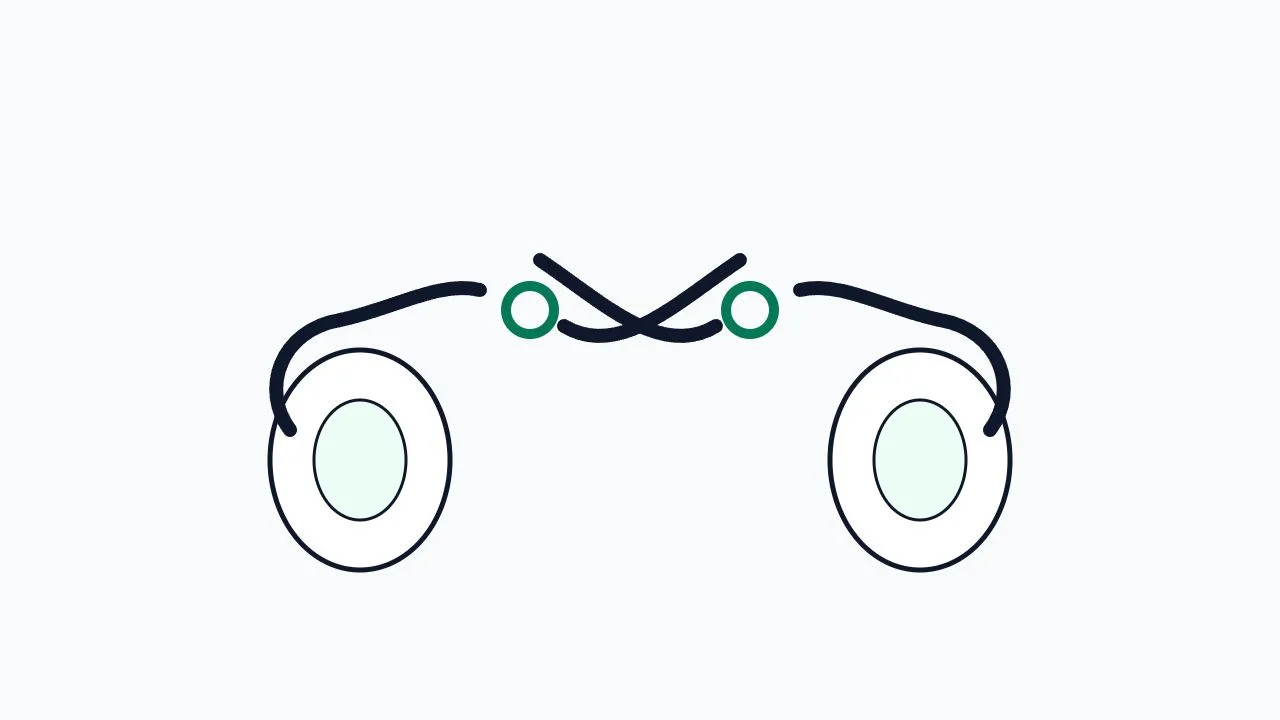
The surgeon finds the vas deferens on each side, cuts it, and usually removes a short length. How they get to the tube is the open or no-scalpel choice above.
- Awake with local anaesthetic, or asleep with a general anaesthetic.
- Home the same day.
Vasectomy Recovery: What to Expect Afterwards
You may be able to go home the same day. If you have a general anaesthetic, Healthdirect says you cannot drive yourself home; arrange travel and confirm the plan for the anaesthetic and service used.
Setting, anaesthetic and who operates are the usual reasons two quotes differ. Current prices, and whether Medicare covers a vasectomy, are on CostDoc's vasectomy cost page and vasectomy and Medicare page.
After the anaesthetic wears off, and for a few days, you may have bruising, pain and swelling in the groin or scrotum. Rest for a few days and avoid heavy lifting. Paracetamol, ice-packs and tight supportive underwear can help. Your doctor will explain wound care and when you can resume sexual activity.
- Rest a few days and skip heavy lifting.
- Bruising, pain and swelling are common for those days.
More detail sits on CostDoc's vasectomy recovery timeline.
When Can You Return to Work, Exercise and Sex After a Vasectomy?
The licensed surgical guide says you should be able to return to work after about two days, or about a week if the work is strenuous. To reduce bleeding risk, do not ejaculate or do strenuous exercise such as running or cycling for 5 to 7 days.
When sex can restart is a question for your doctor, not a clinic slogan. Healthdirect says they will tell you when you can resume sexual activity. Until the semen test is clear, use another form of contraception even if you have started having sex again.
- About two days for desk work; about a week if the job is strenuous.
- No ejaculation or strenuous exercise for 5 to 7 days.
When Does a Vasectomy Start Working?
Not on the day of the operation. Sperm already in the system has to clear. That can take several months and up to 20 ejaculations. Sometimes it takes many months.
- Not sterile on the day of the operation.
- Other contraception stays until the test is clear.
| Stage | Time from the sources |
|---|---|
| On the day | About 15 to 40 minutes, then home the same day |
| Rest and no strenuous exercise | A few days; 5 to 7 days with no ejaculation or hard exercise |
| Semen test | About three months, after about 20 ejaculations |

The Post-Vasectomy Semen Test
A sperm test around three months tells you whether other contraception can stop. The surgical guide is more specific: one or two semen samples after you have ejaculated 20 times, tested for leftover sperm. Keep another method of contraception until your doctor says you are sperm-free.
If sperm is still there, that is not a reason to guess. Ask what the next sample timing is. Sometimes clearance takes many months.
- Around three months, after about 20 ejaculations, one or two samples.
- Keep other contraception until your doctor says you are sperm-free.
Vasectomy Side Effects, Risks and Warning Signs
Like any procedure, there are risks: bleeding, infection, a small lump where the tube was cut, and ongoing pain. The surgical guide also lists sperm granuloma, congestive epididymitis, and long-term pain in the testicles. Failure can leave a partner able to become pregnant. Rarely the tubes grow back together. Healthdirect does not publish a rate for how often the other risks happen.
Contact your doctor, clinic or local hospital if bruising is severe, pain does not ease with paracetamol, swelling is significant, or the cut looks very red.
- Bleeding, infection, a lump, ongoing or long-term testicular pain.
- Failure, and rarely the tubes joining up again.
CostDoc also has vasectomy side effects, risks and practical questions.
Does Vasectomy Affect Ejaculation, Sex Drive or Testosterone?
Libido, orgasm and testosterone are unchanged. Semen should look the same. It does not protect against STIs. Use condoms if there is any STI risk.
- Libido, orgasm and testosterone are unchanged.
- Semen should look the same.
Can a Vasectomy Be Reversed?
It is hard. Re-joining the tubes does not guarantee a natural pregnancy, and the chance of success falls as more time passes. Healthy Male reports that about 3 in 4 couples who try for a pregnancy after reversal do conceive, depending on age, other health conditions and time since the operation. Retrieving sperm from the testis for IVF is another path. Freeze sperm before the procedure if there is any chance you may want children later.
- Reversal does not guarantee a pregnancy.
- IVF using sperm taken from the testis is another path.
Who Can Perform a Vasectomy in Australia?
Some GPs, general surgeons and urologists. You can have it at a public or private hospital or clinic. Check the individual on the Ahpra public register. Appearance on the register means they are allowed to practise, and shows any conditions. It is not a skill badge for this operation.
- Some GPs, general surgeons and urologists.
- Public or private hospital, or a clinic.
Alternatives to Vasectomy
You do not have to have surgery. Your doctor can walk through other contraception. The only other male method Healthdirect lists is condoms, with a higher failure rate (on average 15 in 100 over one year). Tubal ligation is the similar operation for females. It is more complicated, involves more surgery, and costs more. If you are not sure, wait. Freeze sperm first if you may want children later.
- Other contraception, including condoms.
- Tubal ligation is more surgery than a vasectomy.