Current prices sit on the Veneers cost page, with rebate context on Veneers and Medicare. This page is general information only and is not medical advice.
What Are Veneers and What Do They Treat?
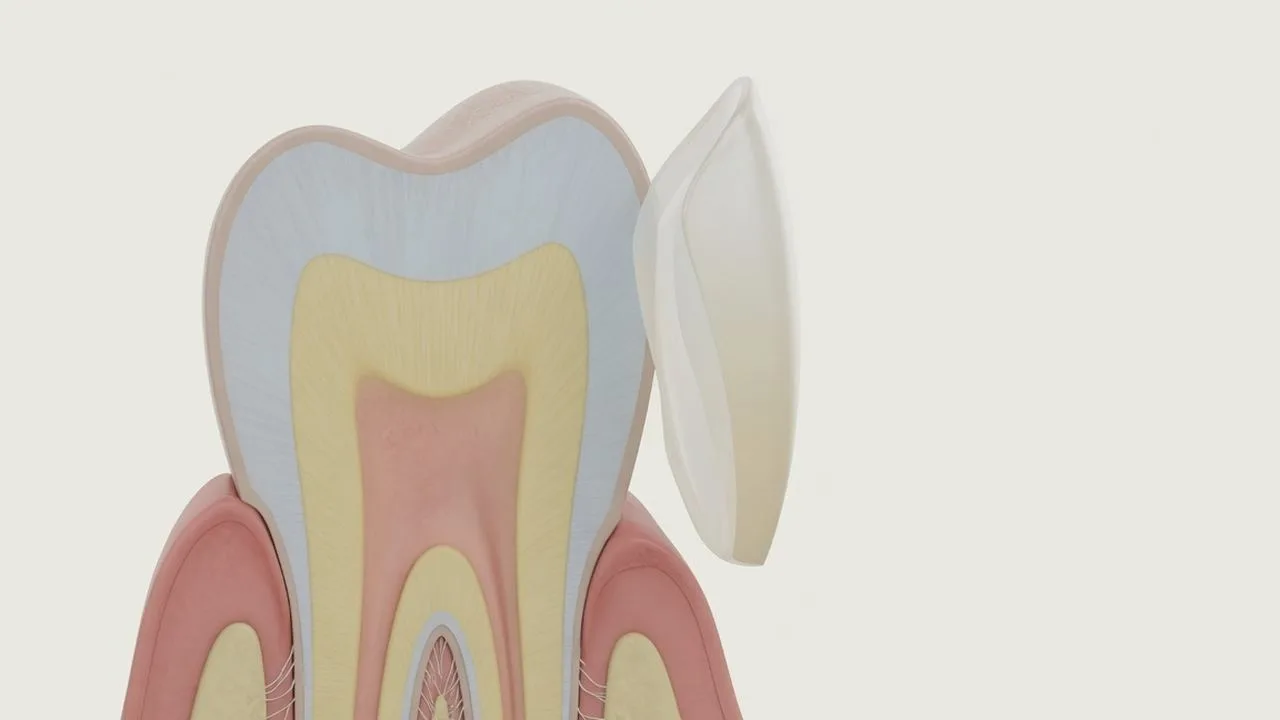
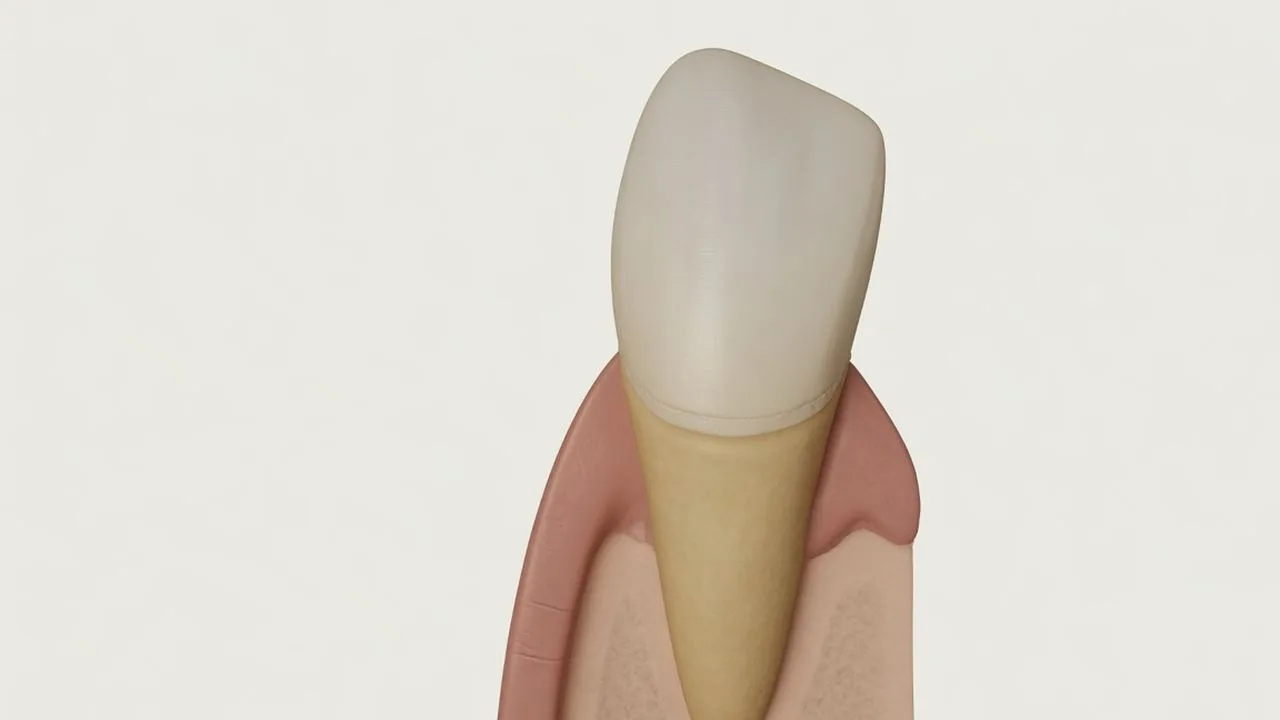
A veneer is a thin layer of material that covers the front of a tooth, changing that tooth's colour and shape and covering up some defects on its surface. Dental veneers can be placed on a single tooth or on a few teeth. As thin coverings, they can make teeth look whiter and more regular.
The boundary of what a veneer addresses is narrow and worth being precise about. Veneers do not fix tooth decay, and they do not fix problems with your bite. If either of those is present, raise it as a separate conversation with a dental practitioner about a different kind of treatment.
| What you are looking for | Where it is answered |
|---|---|
| Side-by-side porcelain and composite detail | Porcelain vs composite veneers |
| How veneers compare with crowns | Veneers vs crowns |
| What veneers cost and what moves the out of pocket | Veneers cost |
| Rebates and how Medicare treats veneers | Veneers and Medicare |
| Other dentistry procedures and their costs | Dentistry |
What Types of Dental Veneers Are Available?
A veneer can be made from tooth-coloured resin composite material or from ceramic. That comparison belongs in a consultation where someone has looked at your teeth.
The material choice drives most of the practical differences you will notice, including where the veneer is made and how many appointments are involved.
Porcelain (ceramic) veneers
Porcelain veneers, also called ceramic veneers, are custom made in a dental laboratory or in a specialised CEREC machine. Both routes produce a ceramic veneer, with no quality ranking between the laboratory route and the chairside machine route.
Ask which of the two production routes a practitioner proposes, because it is one of the things that changes what you are quoted for.
Composite resin veneers
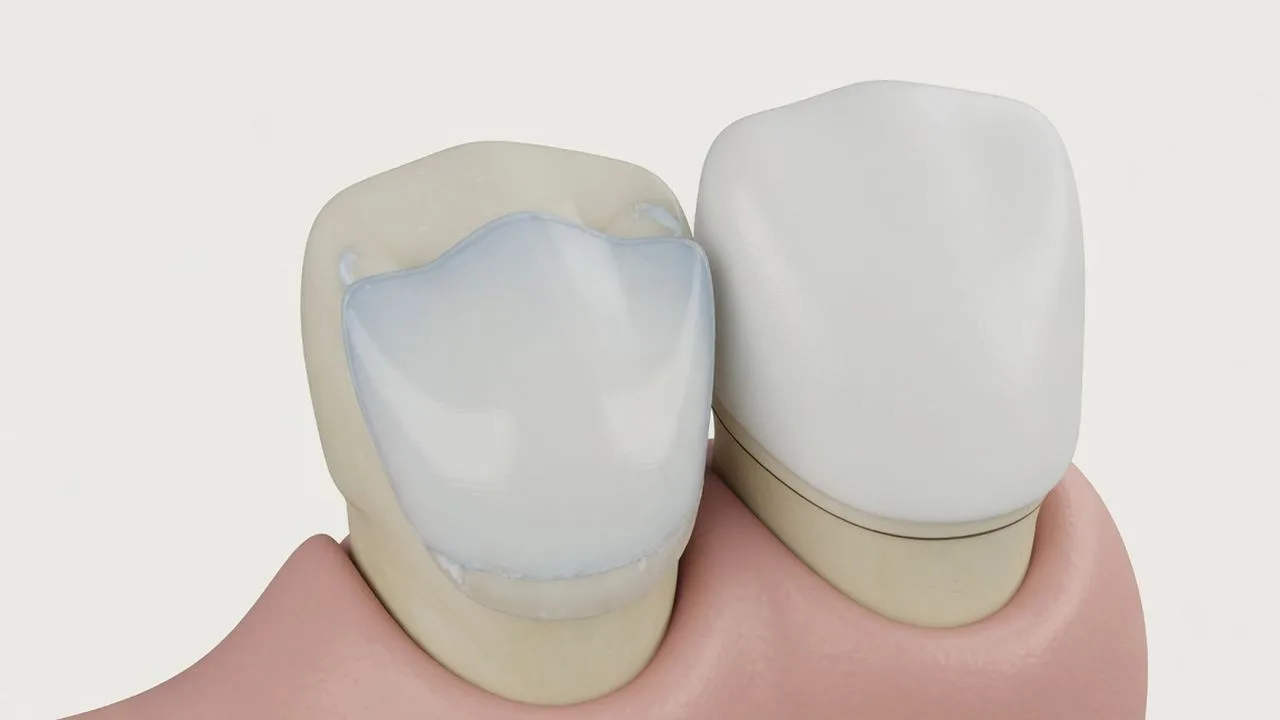
Composite resin veneers are applied directly to the front of the tooth in layers. The material is worked on the tooth itself.
The scope here is composite used as a veneer across the front of a tooth. If that is closer to what you are asking about, raise the distinction at your consultation so the quote you receive matches the work you want.
Porcelain vs composite: key differences
The difference the two names carry is a material difference: ceramic on one side, tooth-coloured resin composite on the other. Ask which material is being proposed for your teeth.
For the full side-by-side treatment of the two materials, the Porcelain vs composite veneers guide takes the comparison further than a materials note can.
How Are Veneers Prepared and Fitted?
A thin layer of tooth may be removed from the surface of the tooth to make space for the veneer material.
What happens around that step depends on which material is being used, so the preparation and the appointment sequence are set out separately below.
Preparing the tooth
For porcelain veneers an impression may be taken using a jaw-shaped tray filled with a soft gel-like material that is pushed onto the teeth and held in place for 3 to 5 minutes.
A small amount of the natural tooth may need to be trimmed so that the veneer fits well. Whether anaesthetic is used, and how the trimming is managed, is a question for the practitioner doing it.
Porcelain veneer appointments
With porcelain veneers a second appointment is needed for the dental professional to fix the veneers to the tooth. Better Health Channel describes the same pattern for ceramic: a second appointment is usually needed to glue in the ceramic.
Ask the practice how far apart your two appointments will be. Total appointment count is one of the questions worth taking into a consultation, because it affects both your time and what appears on a written estimate.
Composite veneer appointments
A composite resin veneer can be provided in one visit to a dental professional. The resin composite veneer material is applied directly on the tooth and polished smooth, usually in one visit.
Fewer appointments is a scheduling fact, not a recommendation. Ask the practice whether that one-visit sequence is what they propose for the teeth being treated.
Who Can Provide Veneers in Australia?
In Australia a range of dental practitioners registered with Ahpra may provide dental healthcare, including dentists, dental specialists, dental therapists, oral health therapists, dental hygienists and dental prosthetists. Check with the practice which registered practitioner will place your veneers.
Dentists and other oral health professionals treat and help prevent oral health problems, the most common of which are tooth cavities and gum disease. Whatever type of health professional you consult, make sure that professional is qualified and registered to practise in their health field.
Ahpra's public register lists individual health practitioners by name, so you can check the specific dental practitioner who would carry out the treatment rather than relying on the clinic or brand. The register shows whether a practitioner is registered and whether they have been disciplined and why. Registration information is published under the National Registration and Accreditation Scheme.
Registration status is not a rating of anyone's cosmetic work, and nothing on the register speaks to how a particular veneer will look. If you cannot find your provider's name on the public register, or you have more questions about them, you can contact the agency for a confidential call. Healthdirect's guide to finding the right health professional sets out that check in full.
How Long Do Veneers Last and How Are They Maintained?
Healthdirect's guidance is that veneers should last for years, without a specific number of years, a range or a warranty attached. If a practice offers you a longevity figure, ask what it is based on and whether it is written into anything.
Teeth with veneers should be brushed and flossed the same way as natural teeth.
Replacement is part of the picture for both materials, and neither is presented here as more likely to fail than the other:
| Material | What the guidance states about failure and replacement |
|---|---|
| Ceramic or porcelain veneer | A veneer can chip, break or stain at the margins and need replacing again |
| Bonded resin composite | Resin composite that is bonded onto a tooth can chip or fall out and need replacing again |
No rate, percentage or frequency attaches to either row. What replacement would involve, and who pays for it, is a question for the practice before you proceed.
What Are the Risks and Limitations of Veneers?
The Dental Board of Australia has said that cosmetic dental procedures such as tooth veneers do not come without some risk, and that they can sometimes be major undertakings. That is a regulator describing the category, not a prediction about any individual treatment.
A veneer can be irreversible, because once the tooth is cut for a veneer it may always need a veneer.
Veneers may not be suitable for someone who grinds or clenches their teeth, or who has gum disease. Whether either applies to you, and what follows if it does, is for the treating dental practitioner to assess.
A crown is a different treatment in which a layer of tooth needs to be removed to fit the crown, and it is irreversible because once a tooth is cut for a crown it will always need a crown. That is a fact about crowns, not a recommendation either way; the Veneers vs crowns guide handles the comparison. The regulator's observation that the lines between cosmetic purposes and clinical need are often blurred cuts through this section too, and it does not make a veneer medically necessary.
| Question area | What to clarify before proceeding |
|---|---|
| Procedure team | Who is responsible for assessment, planning and each stage of the veneer treatment |
| Written plan | The proposed treatment, how many teeth are involved, the follow-up pathway and document handover |
| Risk discussion | Personal risks, benefits, alternatives and when to seek help |
| Quote scope | Inclusions, exclusions, potential additional costs and cancellation terms |
| Aftercare | Contact arrangements and continuity of care after the treatment, including out of hours |
What If You Have a Concern About Your Veneers Treatment?
If you are unhappy with dental care you have received, it is a good idea to speak to the health professional first, and you can do this yourself or ask someone to speak on your behalf. Each state and territory also has a health complaints commissioner.
If you are concerned about the behaviour of a registered health practitioner, you can contact Ahpra. Ahpra receives complaints, which are called notifications, about health practitioners covered by the National Registration and Accreditation Scheme, and manages the complaints process.
Healthcare rights in Australia are set out in the Australian Charter of Healthcare Rights, which includes the right to ask questions and take part in open and honest discussions about care. That right applies during the consultation, not only after something has gone wrong.
What Determines the Cost of Veneers?
- How many teeth are treated. A veneer can go on one tooth or across a few teeth, and tooth count is one of the first drivers on a written estimate.
- Which material is proposed. Tooth-coloured resin composite and ceramic sit on different pathways for how the work is done and how many visits you attend.
- How the veneer is made. Porcelain veneers may be made in a dental laboratory or in a specialised CEREC machine, and that production route is one of the things that changes what you are quoted for.
- How many appointments are booked. Porcelain often needs a second appointment to fix the veneer; composite is often finished in one visit.
- What replacement and aftercare sit inside the quote. Ceramic veneers can chip, break or stain at the margins and need replacing; bonded composite can chip or fall out and need replacing again. Ask what is included before you agree.
Ask for the quote in writing with each of those broken out, and with the name of whoever is billing you for each part. Current prices, and whether Medicare covers this procedure, are on the Veneers cost and Veneers and Medicare pages. Fees for other procedures follow the same shape across Dentistry.
Continue Reading
Better Health Channel advises speaking to a dentist or qualified oral health professional for information and advice about cosmetic dental treatment. Dental procedures involve a dentist working on your mouth to address issues such as injuries or infections. The Dental Board of Australia states that practitioners have a responsibility to put patients' interests first.
The Dentistry hub links the related procedure pages, and the national Veneers cost page holds current pricing research for this procedure.