What Are Braces and How Do They Work?
Braces are dental appliances used to straighten teeth, and they are usually made up of small brackets fixed to the teeth with wires connecting those brackets. The wires put gentle pressure on the teeth, pulling them into the right position.
That work belongs to a defined part of dentistry. Orthodontics is the area of dentistry that looks at the position of teeth and the way the teeth in the upper and lower jaws bite together. A braces plan therefore deals with how the upper and lower teeth meet, not only with how the front teeth line up.
What Types of Braces Are Available in Australia?
There are several types of orthodontic appliance, including traditional metal braces, clear or tooth-coloured braces, braces worn on the inside surface of the teeth, and clear removable aligners. Which one a plan proposes is settled at the assessment, once the practitioner has looked at the teeth themselves.
Three things separate one label from another in a consultation, and each is fair to ask about before you agree to anything:
- Whether the appliance is fixed to the teeth or taken in and out, and what that means for daily routine.
- What the plan involves at each review appointment for that appliance.
- What the appliance would mean for cleaning, eating and playing sport, answered in writing.
Metal and ceramic braces
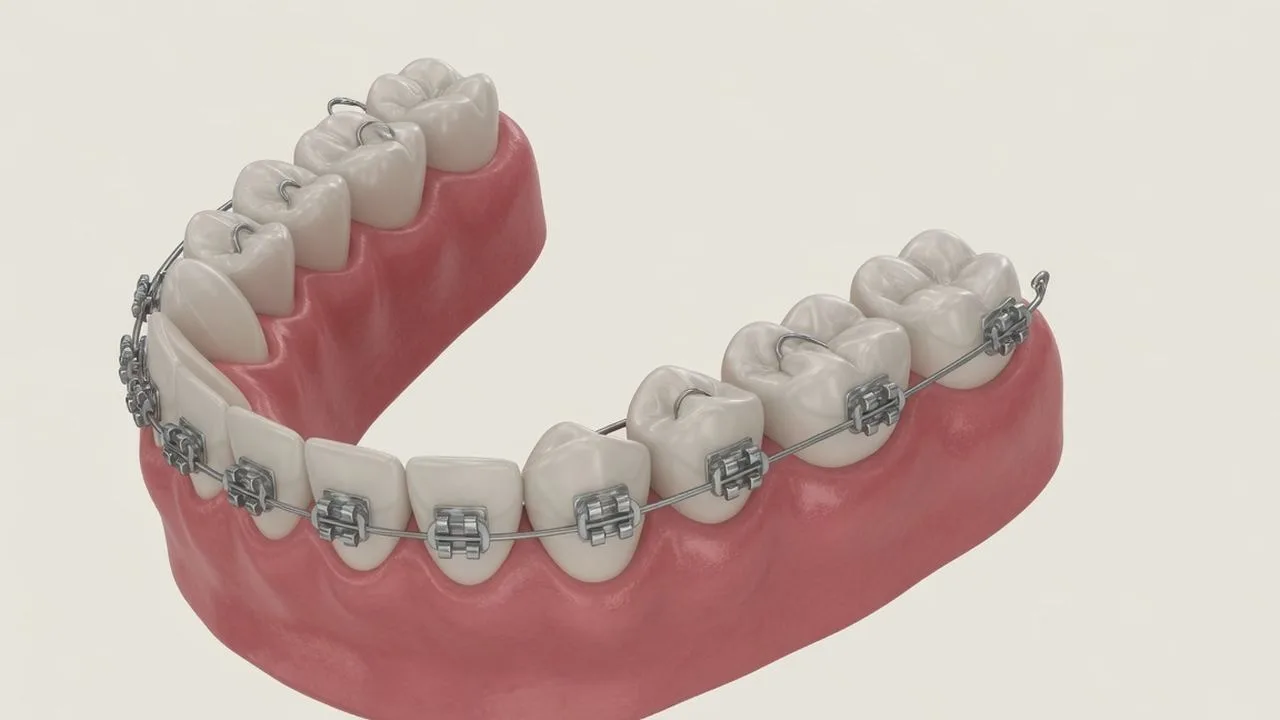
With fixed braces, small metal or ceramic brackets are glued to the front or back of each tooth and a wire is tied to them. The ceramic version is the clear or tooth-coloured option in the same fixed family. Ask which teeth the plan brackets and how often the wire is reviewed, so the appointment schedule is understood before the first fitting.
Lingual braces
Lingual braces are made of metal and are stuck to the inside surface of the teeth. If a plan proposes them, the useful questions are what that position means for the review schedule, how you would be shown to clean around the brackets and wire at the fitting appointment, and what to do if a bracket or wire leaves a spot you cannot reach.
Clear aligners
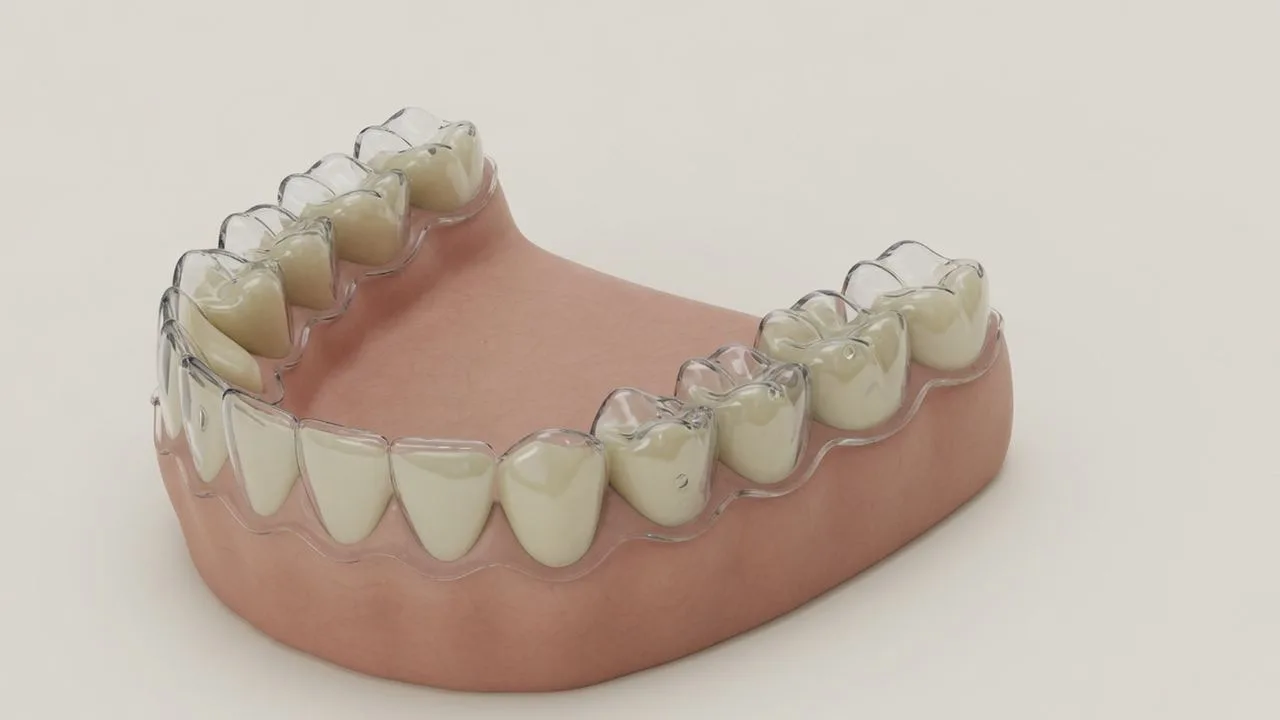
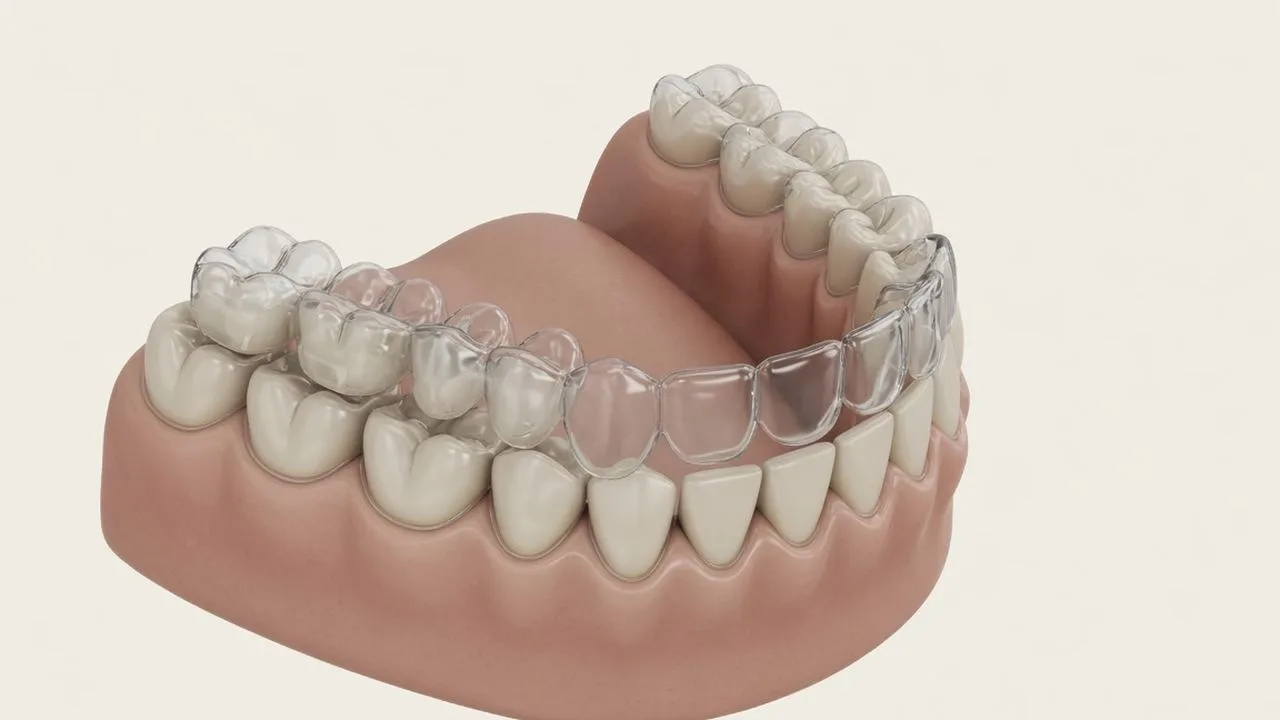
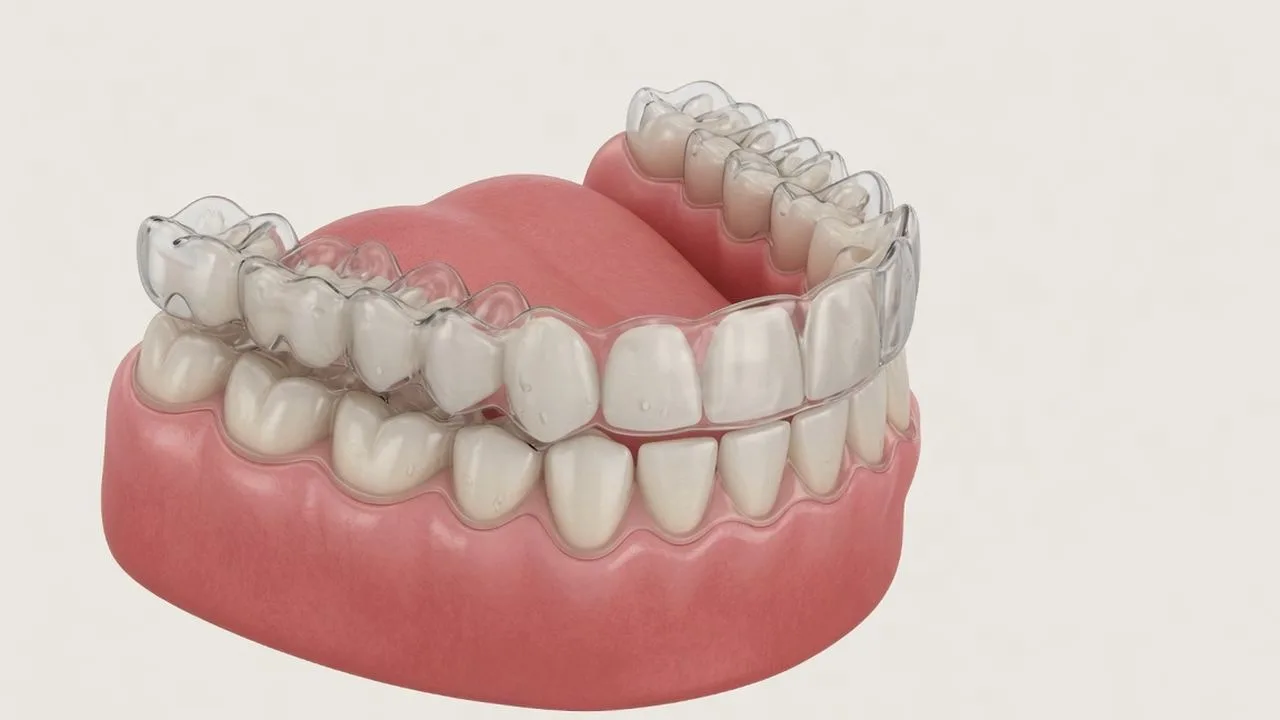
Clear aligners are thin plastic trays worn over the teeth to straighten them, and they are clear but not invisible. Unlike fixed braces, clear aligners are removable, and treatment involves wearing a series of custom-made clear plastic aligners on the teeth. How the two appliances line up against each other is set out under types of braces and clear aligners.
Surgical options for complex cases
Surgery can also be used to correct some jaw problems. Whether that has anything to do with a particular case is a question for the orthodontist at assessment. Where surgery is raised, ask how long the procedure will take, what the risks and benefits are, what happens if you do not have it done, and whether there are any other options.
Who Can Have Braces and at What Age?
Orthodontic treatment can be performed on children, adolescents and adults, and orthodontists treat people in each of those groups whose teeth are crooked or whose jaws are not correctly aligned.
For children, the timing of a first look is separate from the timing of any treatment. The Australian Society of Orthodontists recommends children have an orthodontic assessment between the ages of 7 to 10, and all the adult teeth do not have to be present in the mouth for an assessment to be done. Early intervention for children from the age of eight to 12 can help reduce problems with teeth and jaw alignment in later years.
Your dentist will advise when your child should see an orthodontist. An assessment is a look, and it does not commit anyone to an appliance.
Who Provides Braces Treatment in Australia?
An orthodontist, who is a specialist dentist, provides these treatments, and many general dentists also provide some orthodontic treatments. The training and registration behind the specialist title are defined:
- An orthodontist completes an extra three years of specialist training after finishing their dental degree.
- The minimum education requirement for an orthodontist is a Masters qualification in orthodontics.
- Orthodontists must be registered as a specialist in orthodontics by the Dental Board of Australia.
Both routes exist and both are used in Australia. The question that matters at a consultation is who will carry out each stage of your treatment, and what their registration says.
How Do You Check a Braces Provider Is Qualified?
Before starting orthodontic treatment you can check that the individual practitioner is qualified by looking them up on the public register held by the Australian Health Practitioner Regulation Agency, where you can also find out whether that person has been disciplined and why. Registration attaches to a person, so search the name of the practitioner who will do the work, not the clinic brand above the door.
The register publishes the registration status of health practitioners in Australia under the National Registration and Accreditation Scheme, which is a record of whether a person is registered to practise rather than an assessment of how well any individual practitioner works. It confirms one thing, and it does not stand in for the conversation about the plan itself.
Take these questions into any orthodontic consultation:
- Who performs each stage, from assessment and planning through to fitting, reviews and removal?
- What is the practitioner's registration, and what is their experience with the appliance being proposed?
- What does the written quote include, and what sits outside it?
- How are review appointments and problems between appointments handled, and by whom?
- What happens if you are unhappy with how the treatment is going?
Answers that arrive in writing are easier to hold two clinics to than answers given across a desk.
What Happens at a Braces Assessment?
At the assessment the orthodontist will talk to you and examine your mouth and face, take x-rays and make plaster or digital models of your teeth before discussing a treatment plan. After the assessment the practitioner creates a treatment care plan and explains it to you, and treatment can begin once you are happy with that plan.
The gap between the appointment and the decision is yours to use. Before agreeing:
- Ask for the proposed appliance and the expected scope of work in writing.
- Ask what the review schedule looks like and who runs each review.
- Ask what happens if the plan needs to change partway through.
What Is Informed Consent for Braces Treatment?
Informed consent means you agree to treatment only after you have been given enough information about the choices available to you, the purpose of the treatment, its benefits and its risks, and in most cases you can change your mind even after you have given consent. Healthdirect sets out what informed consent involves for any treatment.
Under the Australian Charter of Healthcare Rights you have the right to clear information about your health, to be told about the possible benefits and risks of different tests and treatments, and to ask questions and take part in decisions with your healthcare provider. For a course of braces, that conversation is where the appliance, the alternatives and the length of the plan should all be put in language you follow.
How Long Does Braces Treatment Take?
Treatment usually takes about 1 to 3 years, with regular orthodontist check-ups along the way, and appointments that usually take 30 to 60 minutes each. Within that, you might wear braces for 12 to 24 months followed by a retainer for another 12 to 24 months or longer.
Those are general ranges, not a schedule for one set of teeth. Three questions turn the range into a plan you can hold someone to:
- How long does the plan expect the appliance to be worn?
- How many review appointments are built into the estimate?
- What does the retainer stage involve once the braces come off?
How Much Discomfort Do Braces Cause?
Some people have toothache or mild discomfort, and scratches and ulcers inside the mouth, in the early part of orthodontic treatment. You may be uncomfortable for a couple of days after your braces are fitted or adjusted.
If your discomfort does not get better, tell your orthodontist, who might be able to make some adjustments. Raise it early instead of waiting for the next scheduled review, and ask at the consent conversation how the clinic wants to be contacted between appointments about pain, scratches or ulcers that have not settled.
How Do You Care for Your Teeth During Braces Treatment?
It is important to brush and clean between your teeth well while you are having orthodontic treatment. Braces, aligners and retainers make cleaning the teeth more difficult. During treatment you need to clean your teeth properly, avoid too much sugary food and avoid too much soft drink.
Cleaning around a fixed appliance is a skill, and it is reasonable to be taught it rather than left to work it out:
- Ask the practitioner to demonstrate cleaning around the brackets and wire at the fitting appointment.
- Ask what to do if a bracket or wire leaves a spot you cannot reach.
- Ask what gets checked at each review, so any problem is picked up early.
What Risks and Problems Can Braces Cause?
Recognised problems with braces include scratches and mouth ulcers from the braces rubbing, tooth decay or discolouration due to poor dental hygiene, gum infection, and teeth moving again if you do not wear your retainer as advised. Alongside those:
- Braces, aligners and retainers make cleaning the teeth more difficult, which increases the chance of gum disease, tooth decay and stains.
- Brackets and wires can be sharp and poke the gums, cheeks, lips or tongue, and your practitioner can tell you what to do if that happens.
- Not cleaning your teeth properly during treatment may result in white spots on your teeth or tooth decay.
- Poorly done orthodontic treatment can damage your teeth, gums and jaw joints, which is a reason to ask a practitioner about their assessment and plan before treatment starts.
The Australian Dental Association does not recommend Australians have DIY orthodontic treatment, and states there are many risks to it that can lead to permanent damage to teeth, gums and jaw joints.
Settle the following before any appliance is fitted:
| Question area | What to clarify before proceeding |
|---|---|
| Procedure team | Who is responsible for assessment, planning and each stage of the treatment |
| Written plan | The proposed appliance, expected scope, follow-up pathway and document handover |
| Risk discussion | Personal risks, benefits, alternatives and when to seek help |
| Quote scope | Inclusions, exclusions, potential additional costs and cancellation terms |
| Aftercare | Contact arrangements and continuity of care after treatment, including out of hours |
What Happens After Braces Come Off?
You may need to wear a retainer after your braces are removed to help keep your teeth in position, because teeth tend to move back to their original position over time, and retainers hold the teeth in their new place and stop them shifting. A permanent retainer is a line of metal attached to the back of the teeth to stop them moving, and a temporary retainer does the same thing but can be put in and taken out.
A Cochrane review records that teeth can become crooked again after being straightened with orthodontic braces, and that without a phase of retention after successful treatment teeth tend to relapse, that is, to return to their initial position. The same review states that firm conclusions cannot be drawn about any one approach to retention over another because there is little confidence in the evidence.
Ask what the retention plan will be, and who reviews it, before the braces come off.
How Much Does Braces Treatment Cost in Australia?
Where there is a problem, your dentist will explain the treatment options and give you an estimate of the cost and the time it will take. Current prices for braces, and whether Medicare covers the treatment, are on CostDoc's braces cost page and its Medicare coverage page.
What sits behind an orthodontic estimate comes down to a handful of things:
- The type of appliance the plan proposes, which is settled at the assessment.
- The length of the treatment plan, since a longer course means more time in the chair.
- The number of review appointments the estimate covers.
- Who provides the treatment, an orthodontist or a general dentist.
- The retainer stage after the braces come off, which is a distinct part of the plan.
Two written quotes only compare properly when each one itemises the appliance proposed and the teeth involved, the review appointments covered, what happens if a bracket comes loose or an extra visit is needed, the retainer supplied at the end and any replacement arrangement, and everything that is excluded along with the cancellation terms.
Ask the treating practitioner or clinic for an itemised written quote before you start, and check that it separates the appliance, the review visits and the retainer stage, so two quotes can be compared line by line.
Want the latest CostDoc cost data for braces sent to you as it updates? Leave your email on the cost page and we will send it through.
What Can You Do If You Have a Concern About Your Braces Treatment?
If treatment does not go to plan, the first step is to raise your concern with the practitioner directly, or with the healthcare service they work for, either verbally or in writing. If that does not resolve the matter, you can lodge a formal complaint with an independent regulatory body or authority such as the health complaints commissioner in your state or territory.
The Australian Health Practitioner Regulation Agency receives complaints, called notifications, about registered health practitioners on behalf of the national boards, and manages the complaints process. You have the right to give feedback or make a complaint without it affecting how you are treated.
Putting a concern in writing early gives everyone the same record of what was raised and when.