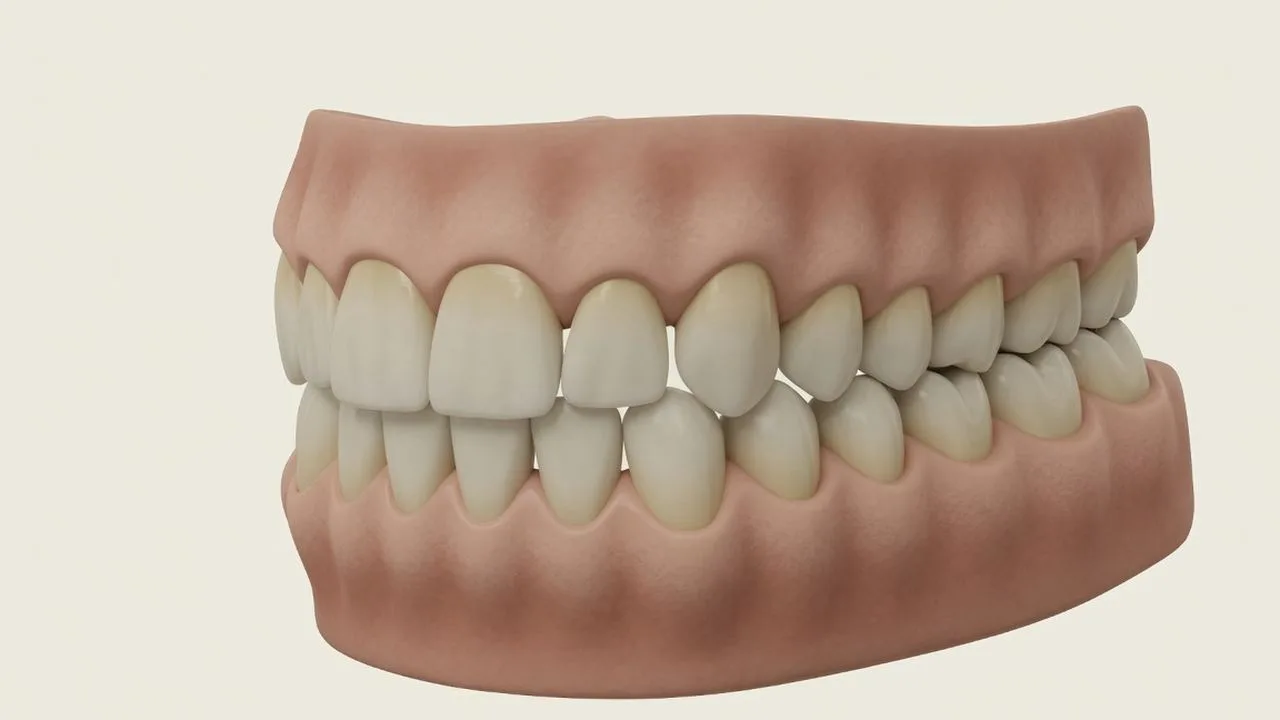
How Does Invisalign Work?
Healthdirect lists clear removable aligners alongside metal, clear or tooth-coloured braces and braces placed on the inside surface of teeth. It says aligner suitability depends on the correction needed. If you have had orthodontic treatment before, that history is part of the orthodontist’s assessment rather than proof that aligners will or will not suit you.
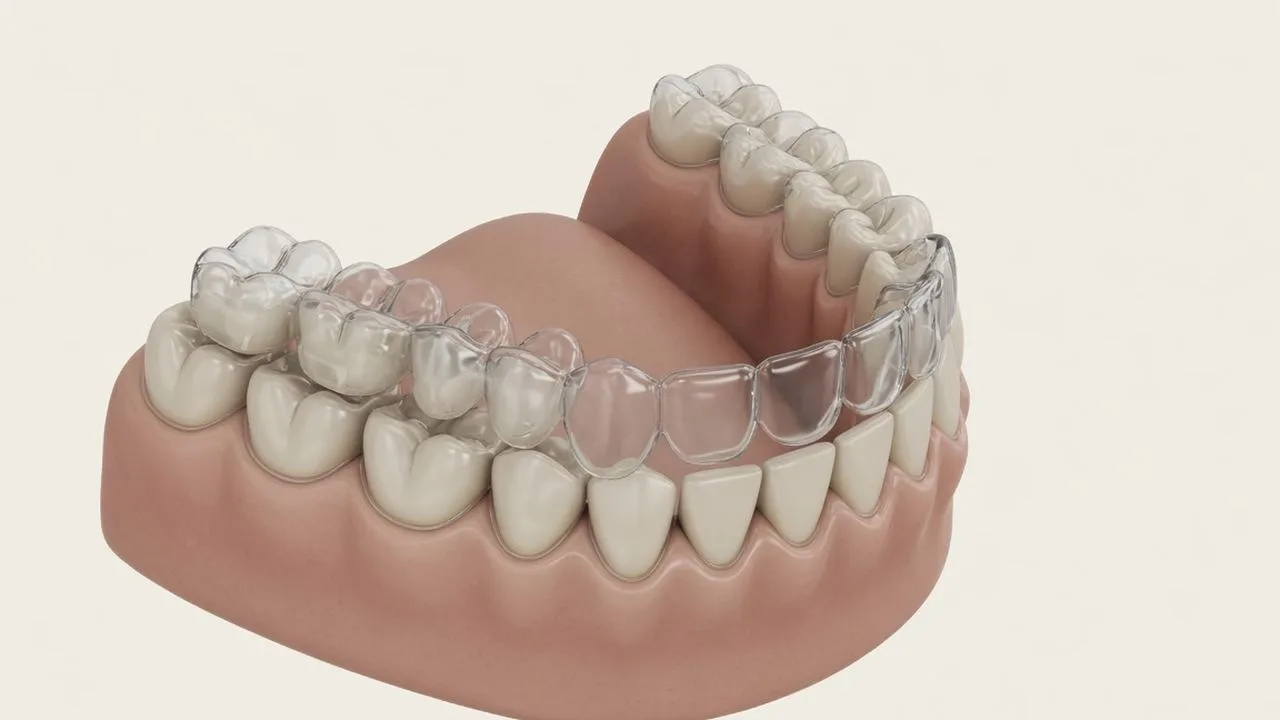
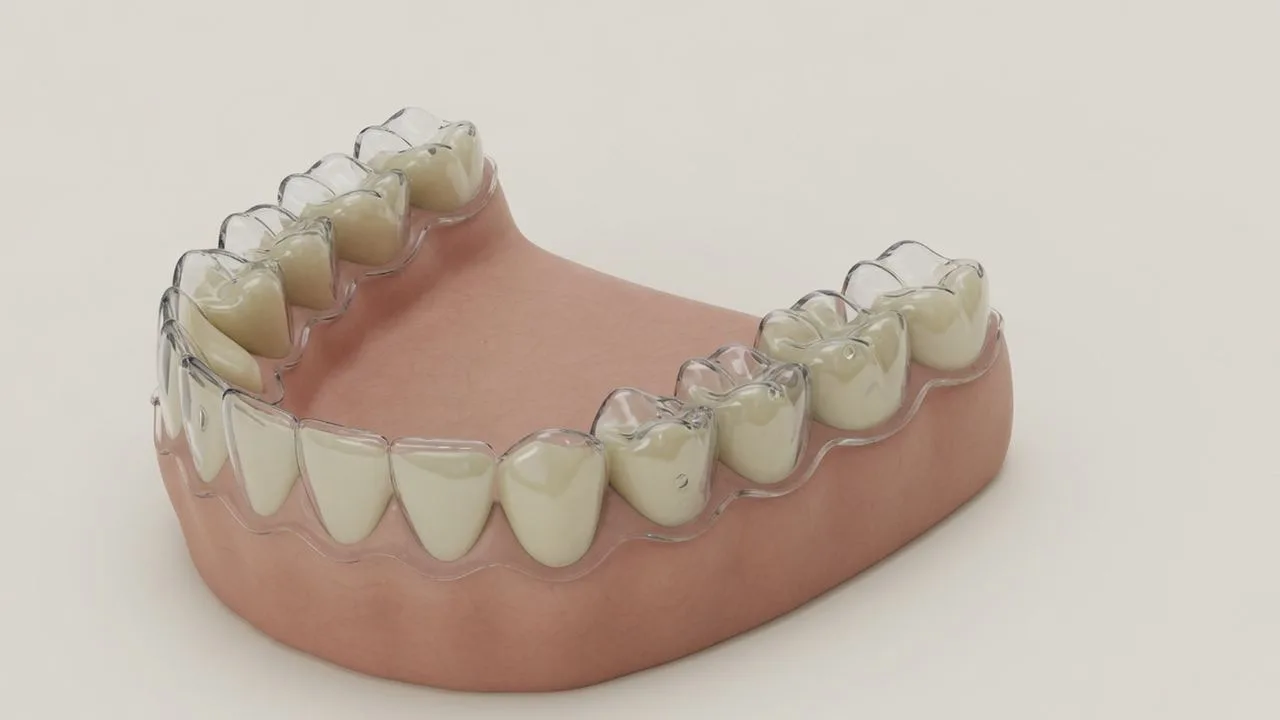
Clear aligner treatment works by having you wear a series of custom-made clear plastic trays over the teeth, one after another, rather than a single fixed appliance. Each tray is designed to apply pressure to certain teeth, and it is this pressure that causes the teeth to move gradually over the course of treatment. The trays themselves are thin, custom-made plastic that fits over the teeth to gradually straighten them, clear though not invisible.
Each tray usually stays in for about a week before the next one takes over, with roughly 20 to 22 hours of daily wear generally advised so the plan stays on track. Small, tooth-coloured attachments may be bonded to some teeth to give the aligner a grip point that helps direct particular movements. Some people are given a further set of refinement aligners near the end of treatment to move any teeth that have not fully reached their planned position, though not everyone needs this extra step.
Comparing the cost of trays against fixed braces is covered separately in Invisalign vs braces, with appliance terminology explained in Types of braces and clear aligners.
Who Provides Invisalign Treatment?
Orthodontics is a recognised dental specialty, and a dentist with specialist registration in it has met the Dental Board of Australia's requirements, including a minimum of two years of general dental practice first.
Specialist titles such as specialist orthodontist are protected by law, so a practitioner using that title has additional training and qualifications in the field. The practical difference is training background and the individual practitioner's own experience, which is worth asking about directly.
| Provider type | Training background | What this means for you |
|---|---|---|
| General dentist | Standard dental degree; most surveyed general dentists who saw orthodontic patients also provided clear aligner therapy in 2024 | Ask about their own experience with clear aligner therapy |
| Specialist orthodontist | Dental degree plus an extra three years of specialist orthodontic training | Holds a protected specialist title and registration in orthodontics |
Checking the Practitioner Register
Anyone can check whether a dentist, dental specialist or orthodontist is currently registered to practise in Australia by searching the Ahpra register of practitioners, which lists individual practitioners, not clinics or brands. Ahpra describes its online register as the only reliable, continuously updated source of a practitioner's current registration status, so check it live rather than a clinic's own listing. The register also records the specialty a dentist holds, so you can confirm specialist registration in orthodontics. A registered practitioner sometimes has a type of registration or condition attached that limits what they can do, and this is published on the register too.
Your Invisalign Assessment
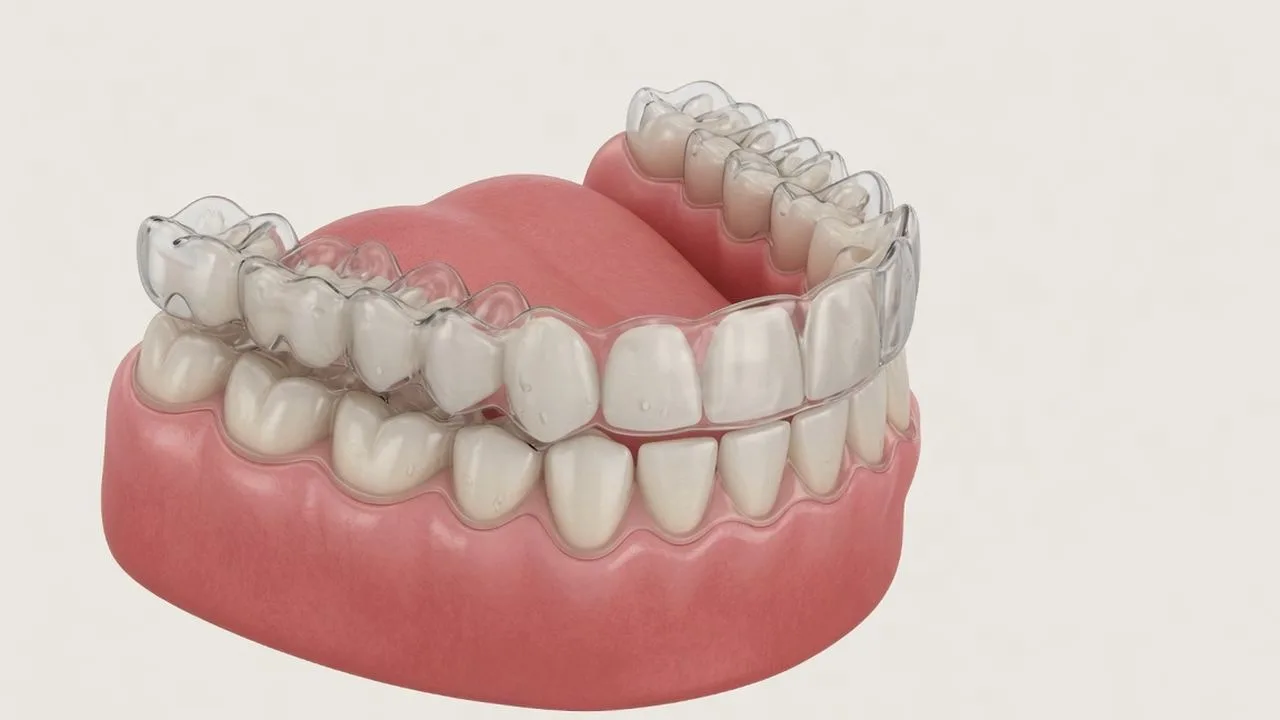
During an orthodontic assessment, the dentist or orthodontist providing care examines the mouth and face and talks through the situation before recommending a treatment option. Whether clear aligners suit you depends on individual factors, including how much correction is needed, and that is resolved at that assessment rather than by a general rule.
There are limitations on the types of tooth and bite problems clear aligners can correct, and a more complex issue may need a different orthodontic approach. Anything your own plan involves beyond the trays, from attachments to the retainer that follows, belongs on the list of things to settle at that first appointment.
What Happens During Treatment?
People using clear aligners are generally advised to wear them all the time, removing them only to eat and drink.
Losing or damaging a clear aligner tray can delay treatment, so take care when storing removed aligners and let your provider know if it happens.
Review Appointments and Treatment Length
Once treatment begins, people commonly attend a routine review appointment about every 4 to 12 weeks. Orthodontic treatment to straighten the teeth commonly takes around 18 months or more. General guidance suggests orthodontic treatment usually takes about 1 to 3 years, depending on individual circumstances. Both figures describe orthodontic treatment broadly, not a schedule anyone can hold you to. The week by week shape of that timeline is set out in Invisalign timeline and practical expectations.
Risks, Discomfort and Limitations
You may feel some discomfort or pressure when a new aligner tray is first inserted, and this is usually minimal and temporary. Toothache or mild discomfort can occur when starting orthodontic treatment with braces or clear aligners. If discomfort does not improve, tell your orthodontist so that adjustments can be considered.
Root resorption, a shortening of the tooth root, is a recognised consequence of orthodontic tooth movement that can occur with clear aligners as well as other orthodontic appliances. The International Journal of Oral and Maxillofacial Surgery does not publish a rate for how often this happens.
Not every bite can be corrected with trays: clear aligners have limits on the tooth and bite problems they can correct, and a more complex case may need a different orthodontic approach. The Australian Society of Orthodontists has stated that starting orthodontic treatment without a physical, clinical examination by a specialist orthodontist exposes patients to potential risks, because there is no substitute for a face-to-face oral health assessment. If retainers are not worn after treatment finishes, teeth can gradually shift back toward their original positions, a process known as relapse.
Retainers After Treatment
After orthodontic treatment, including with clear aligners, a retainer is generally used to help hold the teeth in their new position. Retainers play a key role in preserving the tooth alignment achieved by braces or clear aligners once active treatment has finished. They come in a fixed form bonded behind the teeth to stop them moving, and a removable form that can be taken in and out and is often worn only at night.
You are generally advised to keep wearing your retainer for as long as your treating practitioner recommends. Not wearing one can cause the teeth to move again and affect the appearance of the result achieved.
| Retainer type | What it is | Typical wear pattern |
|---|---|---|
| Fixed retainer | Bonded behind the teeth to stop them moving | Bonded in place |
| Removable retainer | Can be taken in and out | Often worn only at night, as recommended by the treating practitioner |
Staying on Track With Treatment
A 2024 survey of Australian general dentists providing clear aligner therapy found that patient compliance with aligner wear routines, and predictability of achieving the originally planned outcome, were among the challenges practitioners commonly identified. Ask the treating practitioner how they want trays worn and stored when they are out, what to do if a tray is lost or damaged, how they will check that teeth are tracking to the plan, and how often they want to see you while you are wearing the series. Those questions belong to your own reviews and to the plan you are given, not to a general rule.
What to Expect From Your Practitioner?
The Code of conduct that applies to registered dental practitioners says you can expect your practitioner to listen to you, explain health information in a way you understand, help you get the care you need, and put patient safety first by working within their own area of expertise. The same code expects practitioners to stay up to date with their knowledge and skills. It sets an expectation across the profession; it does not settle what happened in any individual appointment.
Raising a Concern About Your Care
If you have a concern about your dental or orthodontic care, raise it first with the practitioner or clinic providing care, and you can otherwise contact the relevant state or territory health complaints body or, for concerns about unsafe practice or professional conduct, Ahpra, which regulates individual practitioners rather than clinics or organisations. Concerns about fees and charges, or general dissatisfaction with the level of service, are generally directed to the state or territory health complaints organisation rather than being matters the national regulator investigates.
Costs and Medicare at a Glance
- Informed financial consent: dental professional guidance describes this as patients being given information about expected treatment costs, ideally before treatment starts, so they can agree to the costs involved before proceeding.
- Private health insurance: contact your own private health fund directly to understand what benefits may apply, rather than assuming a standard level of cover. Dental care, including orthodontic treatment, generally falls under the extras or ancillary section of a policy rather than hospital cover, and what is paid depends on the individual policy.
- Medicare: orthodontic treatment, including clear aligners, is not covered by Medicare.
- How much correction the practitioner assesses as needed
- Which type of provider is delivering treatment
- How long treatment runs
- The retainer used afterwards
The itemised breakdown sits in Invisalign cost.