How Do Invisalign Clear Aligners and Braces Move Teeth?
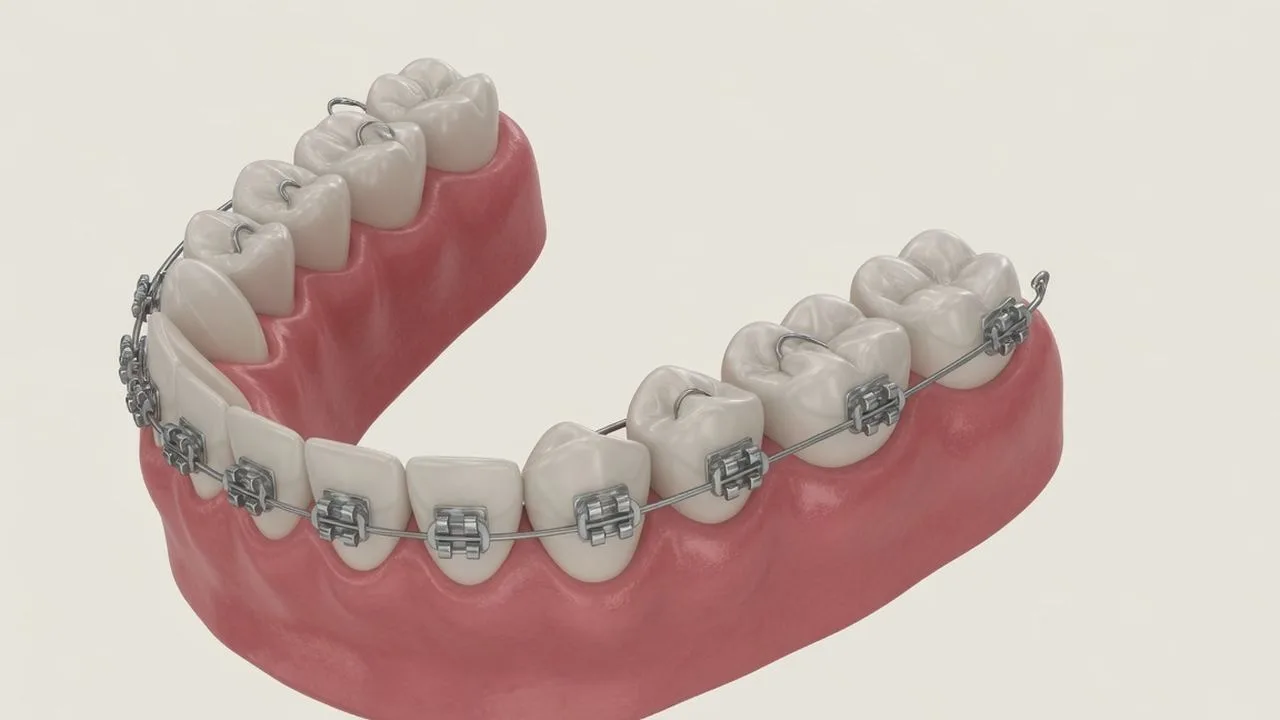
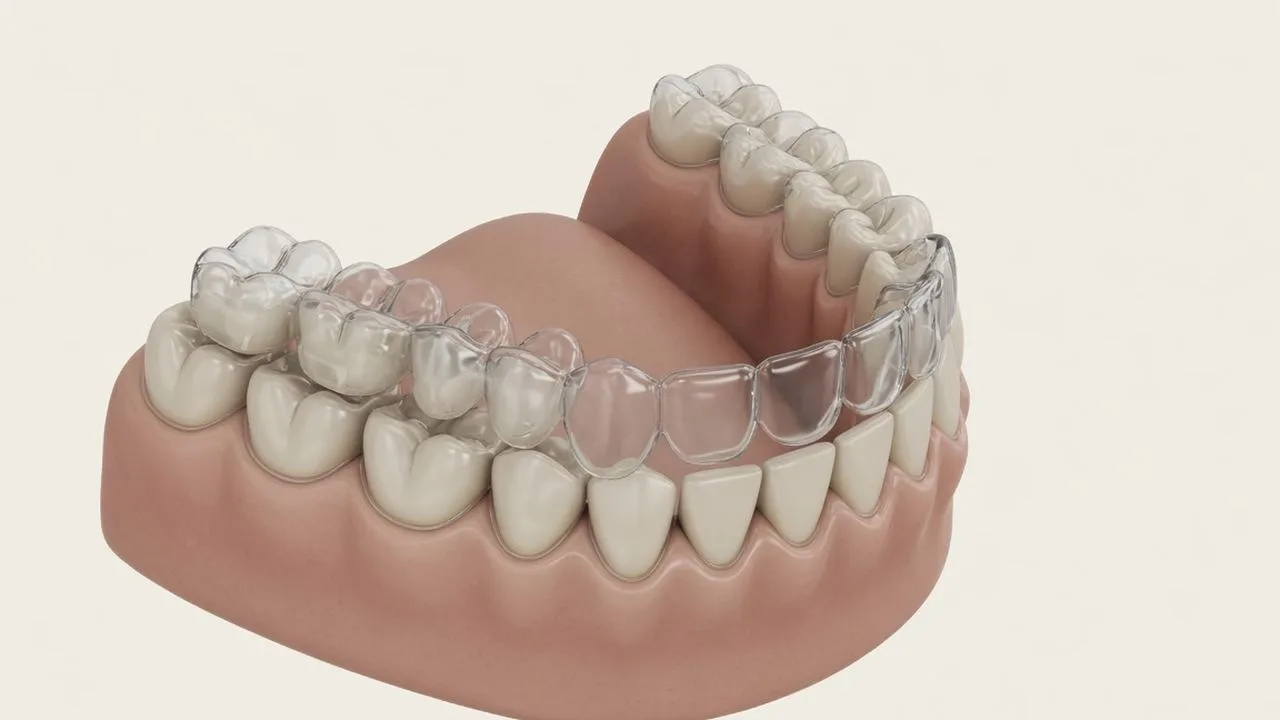
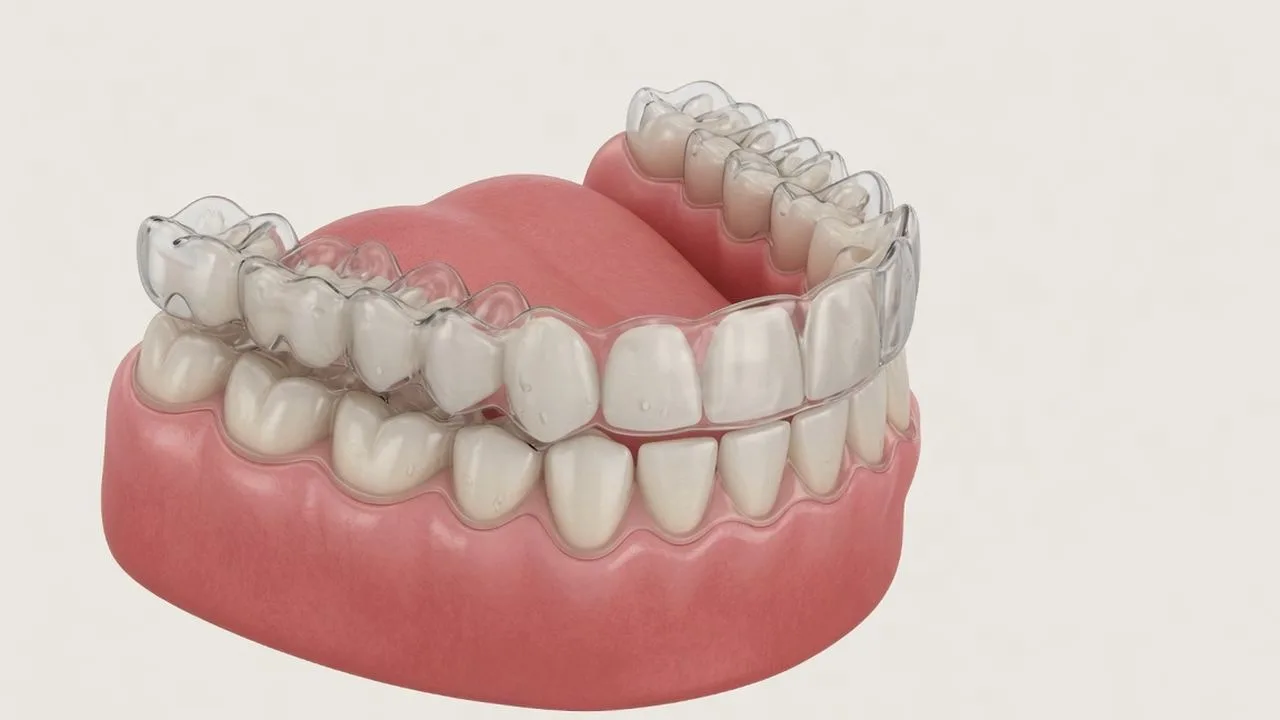
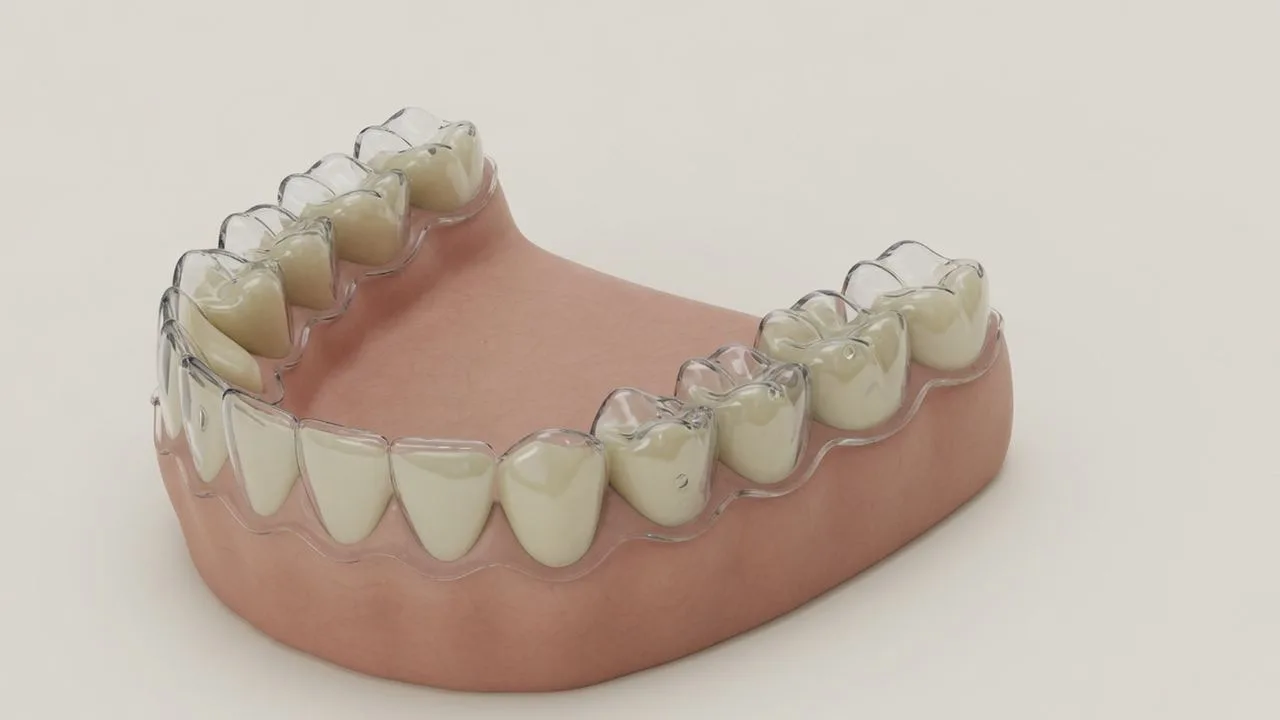
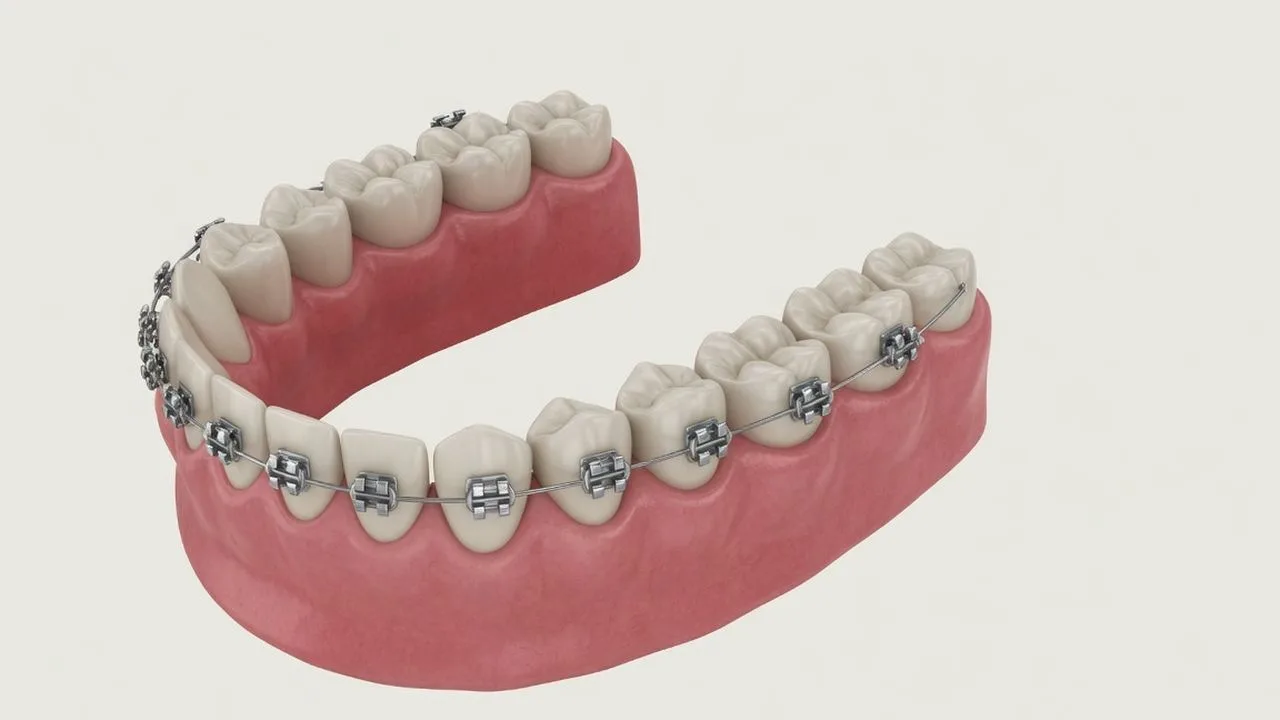
Braces use brackets stuck to the teeth and a wire that pulls them into line. The wire stays on. You cannot take the appliance out. Clear aligners are a series of custom trays that sit over the teeth. Invisalign is one brand among others used in Australia, including Spark, Angel and 3M Clarity.
Healthdirect describes braces as a way to correct crooked teeth or gaps, and problems with jaw or bite alignment. Aligners are an alternative. Suitability still depends on how much movement is needed.
| Feature | Braces | Clear aligners, including Invisalign |
|---|---|---|
| What sits on the teeth | Brackets plus a connecting wire that you cannot remove. | A custom thin plastic tray you can still see on a close look. |
| Named variants | Metal on the front, ceramic in a tooth-like colour, lingual on the inside surface. | Several brands. Attachments, small tooth-coloured buttons, may be glued on as handles. |
| How movement happens | Gentle pressure from the wire, all day, because the appliance is fixed. | Pressure only while the tray is worn, usually 20 to 22 hours a day. |
| Extra parts | Elastics may be added at review visits. | Fewer parts, so no brackets to break and no wire ends to poke the cheeks, lips or tongue. |
- Brand versus category: clinical facts about trays apply to clear aligners as a group. Invisalign is one label in that group.
- Who plans it: the clinician matters more than the system on the lab ticket.
How Long Does Invisalign Take Compared With Braces?
Treatment time follows the teeth and the movements required. The logo on the tray or the metal is a weaker clock. Orthodontic treatment usually takes about 1 to 3 years, with regular reviews of 30 to 60 minutes.
| Clock | What the sources describe |
|---|---|
| Whole orthodontic plan | About 1 to 3 years is the usual Healthdirect window. |
| Braces on the teeth | 12 to 24 months is a common wearing stretch, then a retainer. |
| Clear aligners | Average 12 to 18 months, shorter for small movements, longer if trays are out too often. |
| Braces reviews | Often every 6 to 8 weeks, to change wires or add elastics. |
| After treatment starts | A routine visit may fall every 4 to 12 weeks. |
Clear aligners only work while they are in. Take them out for longer than the 20 to 22 hour window and progress slows. Some advertised short aligner plans are milder cases, so they are a poor stopwatch against braces used on harder movements.
- Ask how many months the written plan actually covers, including a retainer phase.
- Ask what happens to the timetable if trays are out more than meals and drinks.
How Do Cleaning and Daily Life Differ With Invisalign and Braces?
Aligners come out for meals, so food is not trapped on brackets and you can brush and floss as usual. Braces stay on, so eating is trickier and cleaning takes longer.
- Braces cleaning: brush after every meal, because food sits around brackets. Interdental brushes or floss threaders help between the metal.
- Aligner cleaning: take trays out to eat. Brush the teeth, then the trays, before they go back in.
- Drinks with trays in: water is the safe sip. Fruit juice or soft drink can sit against the teeth and cause damage. Hot drinks can warp the plastic. Tea, coffee and soft drink can stain it.
- Lost trays: braces cannot be forgotten in a napkin. Aligners can be forgotten, misplaced or broken.
Early days can bring toothache or mild discomfort, and scratches or ulcers inside the mouth.
- Keep sugar and soft drink down if you have braces, or white spots and decay become more likely.
- Plan how you will brush at work or school. Brackets need a kit. Trays need a case.
Who Do Invisalign and Braces Tend to Suit?
A dentist or orthodontist has to say whether clear aligners fit the amount of correction you need. It is not a decision a product page can make for you. Unhealthy teeth and gums rule orthodontic treatment out until that is dealt with.
| Situation | What the sources support |
|---|---|
| Minor to moderate crowding, small gaps, mildly protruding teeth | Clear aligners are often discussed. |
| More severe movement, or a tooth that will not track in a tray | Braces may be the only option, or a hybrid of braces and aligners. |
| Wear discipline looks shaky | A fixed brace cannot be left in a lunch box. |
| Children aged 7 to 10 | An assessment can happen before every adult tooth is in. That is not the same as starting full braces. |
| Teenagers and adults | Orthodontists treat all three age groups. |
Complex problems can still be treated with aligners in some mouths. The person planning the force is the main variable.
- Ask which movements in your own records need a fixed appliance to be predictable.
- Ask whether a hybrid plan is on the table if one tooth will not track.
What Are the Risks of Invisalign and Braces?
Braces, aligners and retainers can scratch the mouth and cause ulcers, decay or discolouration if cleaning slips, gum infection, and teeth that move again if the retainer is not worn. No rate is published for how often these happen.
| Risk | Where it shows up | What to ask |
|---|---|---|
| Rubbing, scratches, ulcers | Braces wires and brackets; new trays can still feel odd at first. | What to use if a wire pokes, and when to come in. |
| Decay, white spots, discolouration | Poor cleaning around brackets, or sugary food and soft drink. Juice trapped under a tray. | How cleaning will be checked at reviews. |
| Relapse | Either appliance, if the retainer is skipped. | Which retainer type, and what happens if it no longer fits. |
| DIY or mail-order trays | Kits sent without an in-person exam. Poorly done work can damage teeth, gums and jaw joints. | Who will examine you in the chair before trays or brackets start. |
The Australian Dental Association does not recommend DIY orthodontics. In-person assessment and ongoing supervision are the recommended path. Mail-order kits skip that exam, and poorly done work can damage teeth, gums and jaw joints.
- Keep reviews so white spots, ulcers or a poking wire can be dealt with early.
- If a fee or service dispute follows, use the state or territory health complaints body, and Ahpra for a practitioner-risk concern.
Do You Need a Retainer After Invisalign or Braces?
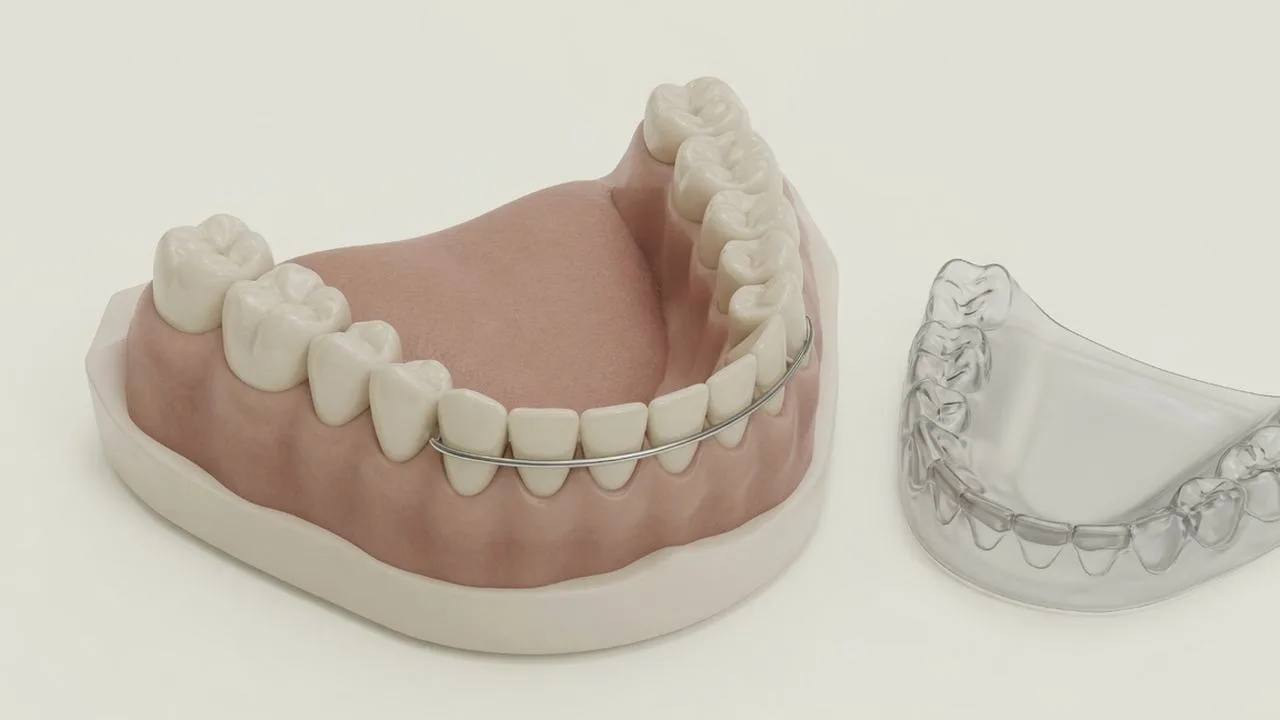
Yes. If you had orthodontic treatment you will need a retainer. Without one, teeth can drift back. That drift is called relapse. A retainer is the device that holds the new position after braces come off, and the same job sits at the end of an aligner series.
| Type | What it is |
|---|---|
| Hawley or plate | Removable acrylic base with a wire. |
| Fixed or permanent | A thin wire bonded to the back of the teeth. |
| Clear vacuum-formed | A transparent tray moulded to the teeth, often worn at night. |
Most orthodontists recommend wearing a retainer every night for at least a year, then a few nights a week for the long haul, because teeth keep moving as you age. Some plans use full-time wear at first, or night-only from the start. The written plan should say which.
- Put the retainer in the quote so it is not a surprise at the last visit.
- If aligner wear slips mid-plan, a switch to braces can still be discussed.
Who Can Provide Invisalign or Braces in Australia?
An orthodontist is a dentist with an extra 3 years of specialist training. Braces are usually fitted by that specialist. Many general dentists also provide some orthodontic treatments. The titles describe different training. You do not need a referral to see a private orthodontist.
A dentist cannot call themself a specialist unless they hold Dental Board of Australia specialist registration. Orthodontics is one of the 13 approved specialties. Check the individual on the Ahpra public register. A clinic brand is a weaker check than the named person. Appearance on the register means they may practise, and shows any conditions. Registration is not a skill badge for Invisalign or for braces.
- Ask who will examine you, who will glue brackets or issue trays, and who you call if a wire pokes at night.
- Ask whether the person using the Invisalign brand is a specialist orthodontist or a general dentist offering aligners.
How Much Do Invisalign and Braces Cost in Australia?
Complexity, how long the plan runs, and whether the appliance is a custom aligner or a brace type move the figure, including a lab fee for producing trays. Compare those drivers on CostDoc's Invisalign cost page.
- Case complexity: more movement, more months, more reviews.
- Duration: a 12 month plan and a 24 month plan are not the same product.
- Appliance type: metal, ceramic, lingual, or a named aligner brand.
- Lab work: custom trays carry a manufacturing fee.
- What the quote hides: assessment, scans, emergency visits, wax and elastics, retainers, follow-up, and a possible switch from trays to braces.
A useful written figure names the same inclusions for both options. Pre-treatment assessment, regular consultations and emergency appointments, x-rays and digital scans, a mould or digital model, the appliances themselves, retainers, and later reviews all belong in that conversation. Switching from aligners to braces, if wear slips or a tooth will not move, can add a further amount. Current prices, and whether Medicare is involved, sit on CostDoc's Invisalign cost page.