Current prices for aligners are on the Invisalign cost page. The full set of orthodontic cost pages sits on the Orthodontics hub.
What separates these four appliances is where each one sits, what it is made from, and whether the wearer can take it out. None of that settles which appliance suits a particular set of teeth. That is worked through with a registered dental practitioner who has examined the mouth in front of them. This page is general information only and is not medical advice.
What Types of Braces and Clear Aligners Are Available in Australia?
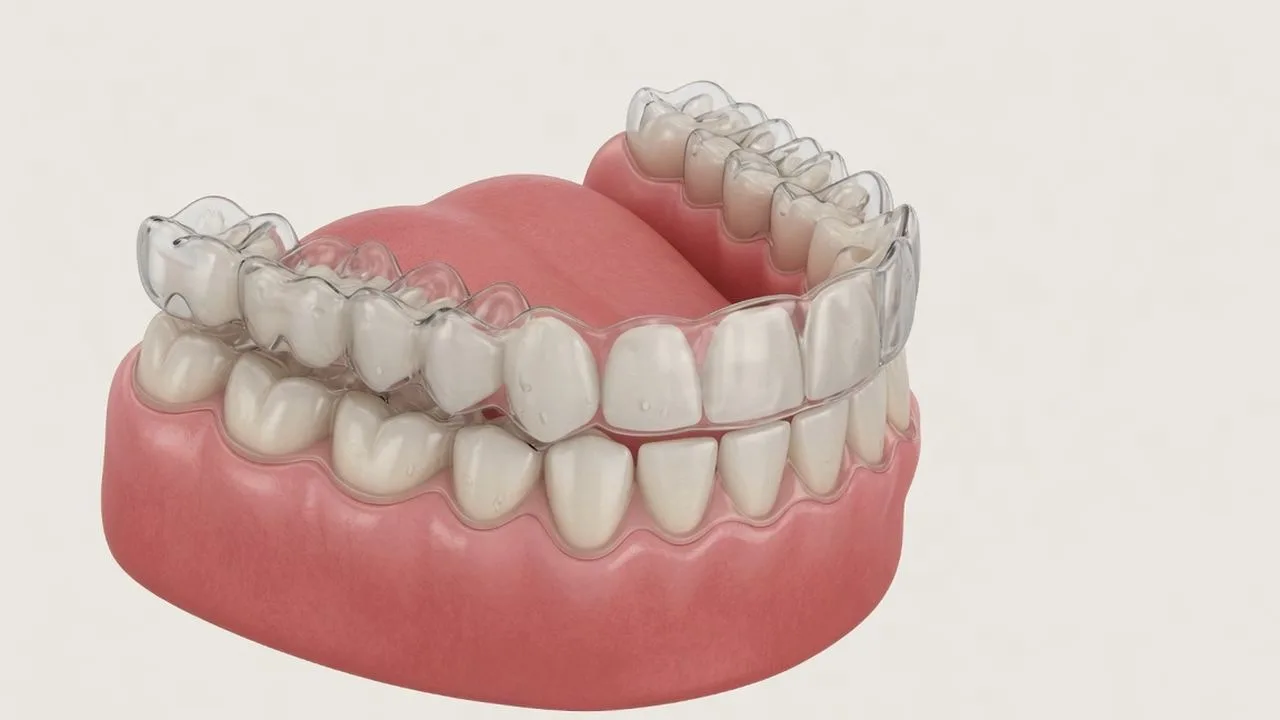
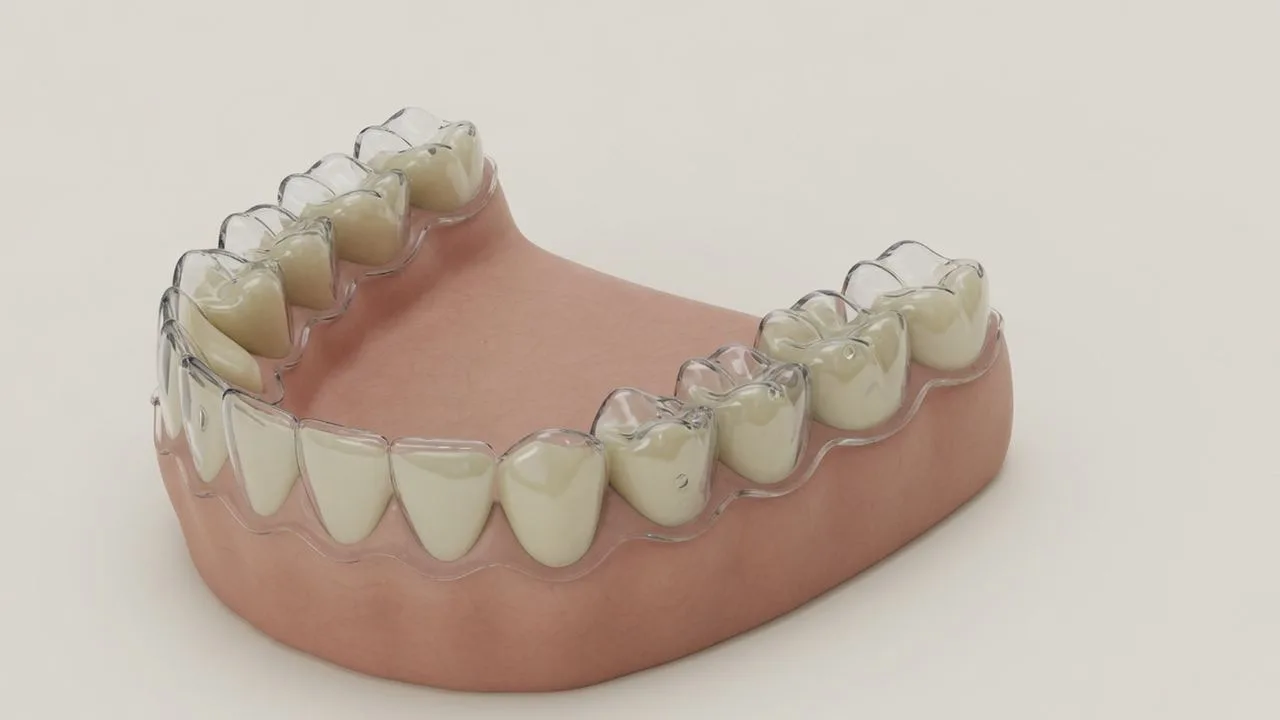
Australian orthodontic treatment uses fixed braces, in metal, ceramic and lingual forms, and removable clear aligners. Braces are dental appliances commonly used to straighten the teeth. The wires put gentle pressure on the teeth, moving them into the right position. Clear aligners are thin plastic trays, custom made for each person, that are worn over the teeth to straighten them.
These are not the only appliances a practitioner may raise, and nothing below ranks one against another.
Orthodontic treatment may be considered for crooked teeth or teeth that stick out, a bad bite, a poorly aligned jaw, crowded teeth, and gaps between the teeth or missing teeth. Crooked, crowded and overlapping teeth can cause a range of problems, including difficulty keeping the teeth clean.
It is decided at an assessment by a registered dental practitioner who can see the teeth, the bite and the person's own reasons for asking. Orthodontists treat children, teenagers and adults, so age alone does not close the question off.
Metal Braces
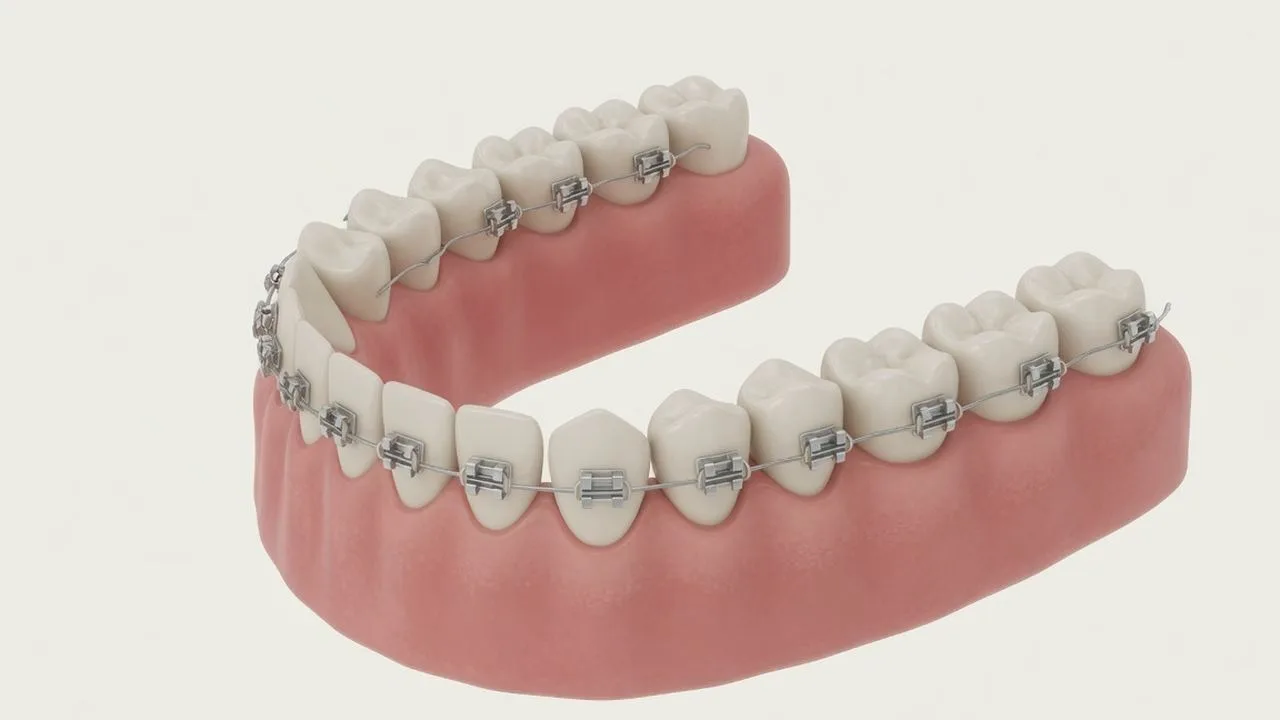
Traditional metal braces with wires have been used for around 100 years and are placed on the front of the teeth. The visible brackets on the outer surface of each tooth are what distinguishes them from the other fixed options.
If a treatment plan names metal braces, it is reasonable to ask the practitioner to write down which teeth are being moved and what the appliance is expected to do, so the plan can be read alongside any alternative that is offered. Writing this down also gives the person something to compare if a different appliance is suggested at a later visit.
Ceramic Braces
Ceramic braces are the same as metal braces but are made from white or tooth-coloured ceramic material. Because they are a similar colour to the teeth, they are less noticeable.
Less noticeable is not the same as unnoticeable. Anything else a clinic tells you about ceramic brackets, including how they behave over a long treatment, is a claim to hear directly from the practitioner and to have written into the plan. That includes questions about how the brackets are expected to look and perform across the full length of treatment, not only at the first fitting.
Lingual Braces
Lingual braces are also made of metal but are stuck to the inside surface of the teeth. That position, behind the teeth rather than in front of them, is what defines the type.
They are still a fixed appliance, so everything that follows about brackets, wires and daily cleaning applies to them. Any question about how that position affects daily comfort, speech or cleaning is one to raise directly with the treating practitioner rather than assume an answer.
Clear Aligners
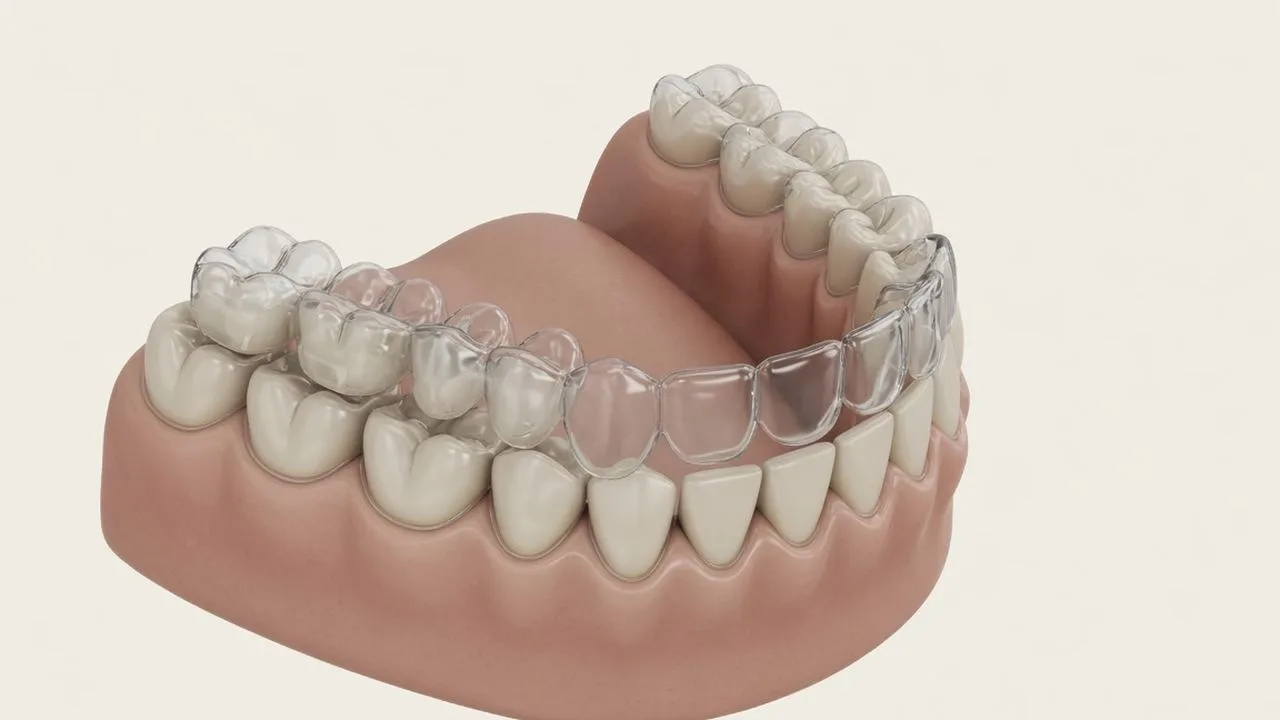
Clear aligners usually need to be worn for 20 to 22 hours a day, and they can be taken out to eat, drink and clean them. The trays are made for one person's teeth rather than supplied in stock sizes.
That wear time is the practical fact to hold on to. Keeping a simple daily log of the hours worn can make it easier to discuss progress with the practitioner at each visit. See also the Invisalign treatment guide.
How Do Clear Aligners Compare With Fixed Braces?
How Aligner Suitability Is Assessed
Clear aligners are removable custom trays. They may be an option for some bite and alignment concerns, but they are not right for everyone. An orthodontist or dentist assesses the amount and type of correction needed and may recommend aligners, braces or another approach.
Fixed braces stay on the teeth for the whole treatment, while clear aligners are removable trays worn for most of the day. With fixed braces, small metal or ceramic brackets are attached to the front or back of each tooth and a wire is tied to them.
| Point of difference | Fixed braces | Clear aligners |
|---|---|---|
| Where the appliance sits | Brackets on the front or the inside surface of each tooth, joined by a wire | Trays moulded to fit over the teeth |
| Whether it comes out | Stays on the teeth until the practitioner removes it | Taken in and out by the wearer |
| Daily wear time | Continuous, with nothing for the wearer to keep track of | Usually 20 to 22 hours a day, kept to by the wearer |
| Eating and drinking | Meals are eaten with the appliance in place | The trays are taken out to eat and drink |
| Cleaning the teeth and the appliance | Teeth are cleaned around fixed brackets and wires | Trays are taken out, and both teeth and trays are cleaned |
Wear and Daily Routine
A fixed appliance removes the decision from the day. It is bonded to the teeth and stays there through meals, sport, sleep and work until the practitioner takes it off.
An aligner puts the decision back. The trays come out for meals and go back in afterwards, and the treatment depends on the wearer returning them to the mouth for the hours the practitioner has set. Neither routine is easier in the abstract. They ask different things of different people.
Cleaning and Appointments
Both appliance types make thorough daily cleaning more demanding. Braces, aligners and retainers make cleaning the teeth more difficult, which increases the chance of gum disease, tooth decay and stains. The orthodontist gives information on how to care for braces and how to keep the teeth and mouth clean.
Treatment also continues through routine appointments over its course rather than ending at the fitting. The appointment pattern for each appliance type is a fair thing to have set out in writing before the first one is booked.
Questions to Raise at Assessment
These are questions for the practitioner who examines you. Writing the answers down at the time makes them easier to compare if more than one practitioner is consulted.
- How long is treatment expected to take in your case, and what would change that estimate.
- Which appliance types are workable for your teeth, and which are not, with the reason given.
- Who performs each stage, from assessment and planning through to fitting, adjustments and removal.
- What the practitioner's registration status is, and what experience they have with the appliance being proposed.
- What the written quote includes and excludes across the whole course of treatment, not one appointment.
- How follow-up appointments, breakages and complications are handled, by whom, and how you make contact between visits.
- What happens if aligner wear time is missed, or a bracket comes loose.
- What you should do if you are unhappy with how treatment is going.
- Whether a written record of the treatment plan will be provided for future reference.
How Long Are Braces and Clear Aligners Worn?
These appliances usually take 1 to 3 years to straighten the teeth. That is a reported range across orthodontic appliances generally, not a forecast for any individual and not a statement that one appliance type finishes sooner than another.
A person might wear braces for 12 to 24 months followed by a retainer for another 12 to 24 months or longer. The two ranges are reported independently and are set out here as they were published, without being combined or reconciled. See also the Invisalign timeline guide.
Who Provides Orthodontic Treatment in Australia?
Orthodontic treatment is provided by an orthodontist, and some dentists. Many general dentists also perform orthodontic treatment.
An orthodontist is a dental specialist who prevents, diagnoses and treats dental and facial problems. An orthodontist completes an extra 3 years of specialist training after they have completed their dental degree. The Dental Board of Australia requires orthodontists to be registered as a specialist in orthodontics, with a minimum education requirement of a Masters qualification in orthodontics. A dentist or doctor can refer a person to an orthodontist, but a referral from a dentist or doctor is not needed to see one. Confirming which type of practitioner is proposed, and why, is a reasonable question to raise before treatment begins.
More broadly, a range of dental practitioners registered with Ahpra may provide dental care in Australia, including dentists, dental specialists, dental therapists, oral health therapists, dental hygienists and dental prosthetists. Ahpra publishes information about the registration status of health practitioners in Australia, so you can check the individual practitioner who would provide your treatment rather than the clinic brand.
What Should You Confirm at Assessment Before Choosing an Appliance?
At the assessment the orthodontist will talk to the person and examine their mouth and face. Images of the teeth are taken first, such as x-rays, photographs, digital scans and plaster moulds.
Informed consent means being given enough information about the options, including the risks and their likelihood and the benefits, to make a decision, and a person can ask questions at any stage and in most cases change their mind after consenting. That applies to the choice between appliance types as much as to the decision to start. Taking notes during that appointment can make it easier to recall the options later when deciding between them.
For parents, a dentist will advise when a child should see an orthodontist. Early intervention for children from the age of eight to 12 can help reduce problems with teeth and jaw alignment in later years, which is a general finding rather than a recommendation for any particular child.
What Are the Risks and Side Effects of Braces and Clear Aligners?
When treatment first starts a person may have toothache or mild discomfort, and scratches and ulcers inside the mouth. A person may be uncomfortable for a couple of days after braces are fitted or adjusted. If discomfort does not get better, the person should tell their orthodontist. No rate is published for how often these happen.
Brackets and wires can be sharp and poke the gums, cheeks, lips or tongue, and sharp areas can be covered by special orthodontic wax to prevent injury. If the care and cleaning advice is not followed, white spots on the teeth or tooth decay may occur. Poorly done orthodontic treatment can damage the teeth, gums and jaw joints. The Australian Dental Association does not recommend do it yourself or direct to consumer orthodontic treatment, which can lead to permanent damage to the teeth, gums and jaw joints.
| Question area | What to clarify before proceeding |
|---|---|
| Treatment team | Who is responsible for assessment, planning, fitting, adjustments and removal of the appliance |
| Written plan | The proposed appliance, expected scope of tooth movement, follow-up pathway and document handover |
| Risk discussion | Personal risks, benefits, alternatives and when to seek help |
| Quote scope | Inclusions, exclusions, potential additional costs and cancellation terms |
| Aftercare | Contact arrangements and continuity of care after the appliance comes off, including out of hours |
You have the right to be told about the possible benefits and risks of different tests and treatments, to ask questions and take part in open and honest discussions, and to make a complaint without it affecting how you are treated. A concern about care is raised first with the practitioner or the health service directly, and if the response is not satisfactory it can then be taken to the relevant state or territory health complaints body or to Ahpra.
How Are Braces and Clear Aligners Cared for During Treatment?
During orthodontic treatment it is important that the teeth are cleaned thoroughly at least two times a day, ideally after every meal. The practitioner supplies the specific cleaning guidance for the appliance you are wearing.
Diet changes too. Sticky or hard foods, including chewing gum, lollies and crusty bread, should be avoided during orthodontic treatment. High sugar foods and drinks, including fruit juice, should be avoided during orthodontic treatment because they can lead to tooth decay.
Two appointment intervals are reported by different sources, and both are given here as published. Braces need to be adjusted at regular visits to the orthodontist or dentist, usually every 6 to 8 weeks. After treatment begins, a person may have a routine appointment every 4 to 12 weeks.
What Happens After Braces or Clear Aligners Come Off?
When the teeth have moved to their new position the braces are removed and the person is given a retainer. Retention procedures can include custom made fixed or removable retainers, usually made of wires or clear plastic, and removable retainers can be worn full time or part time.
A permanent retainer is a line of metal attached to the back of the teeth to stop them moving, while a temporary retainer does the same thing but can be put in and taken out and is usually worn only at night. Which of those a person is given is decided by the treating practitioner. Asking how retainer wear will be checked at follow-up visits is a reasonable question before treatment finishes.
Teeth can become crooked again after being straightened with orthodontic braces, which is called relapse, and orthodontists try to prevent this using retention procedures. The teeth can move again if a retainer is not worn as advised. Cochrane reports that confidence in the evidence about which retention method best holds teeth in position is low, because the studies were small and did not use the best methods, and most studies measured the effects of treatment for less than one year. The full braces treatment journey is covered in the braces guide.
How Is the Cost of Braces and Clear Aligners Covered?
What changes an orthodontic quote includes the appliance type, how long treatment runs, how many routine appointments fall across that period, whether an orthodontist or a dentist provides the care, and what continues after the appliance comes off.
What moves an orthodontic quote can still be described in words. The appliance type chosen sits at the front of it, followed by how long treatment runs and how many routine appointments fall across that period. Whether the treatment is provided by an orthodontist or by a dentist also bears on the quote. So does what continues after the appliance comes off, because a retainer and its follow-up are part of the course rather than an extra.
Ask for an itemised written quote covering the full course of treatment, not a single appointment, and check what is excluded as carefully as what is listed. Keeping copies of the written quote and treatment plan makes it easier to compare if a second opinion is sought.
For aligner cost detail, see the Invisalign cost page. The Orthodontics hub holds the full range of orthodontic cost pages.