What Is Cataract Surgery and How Does Recovery Begin?
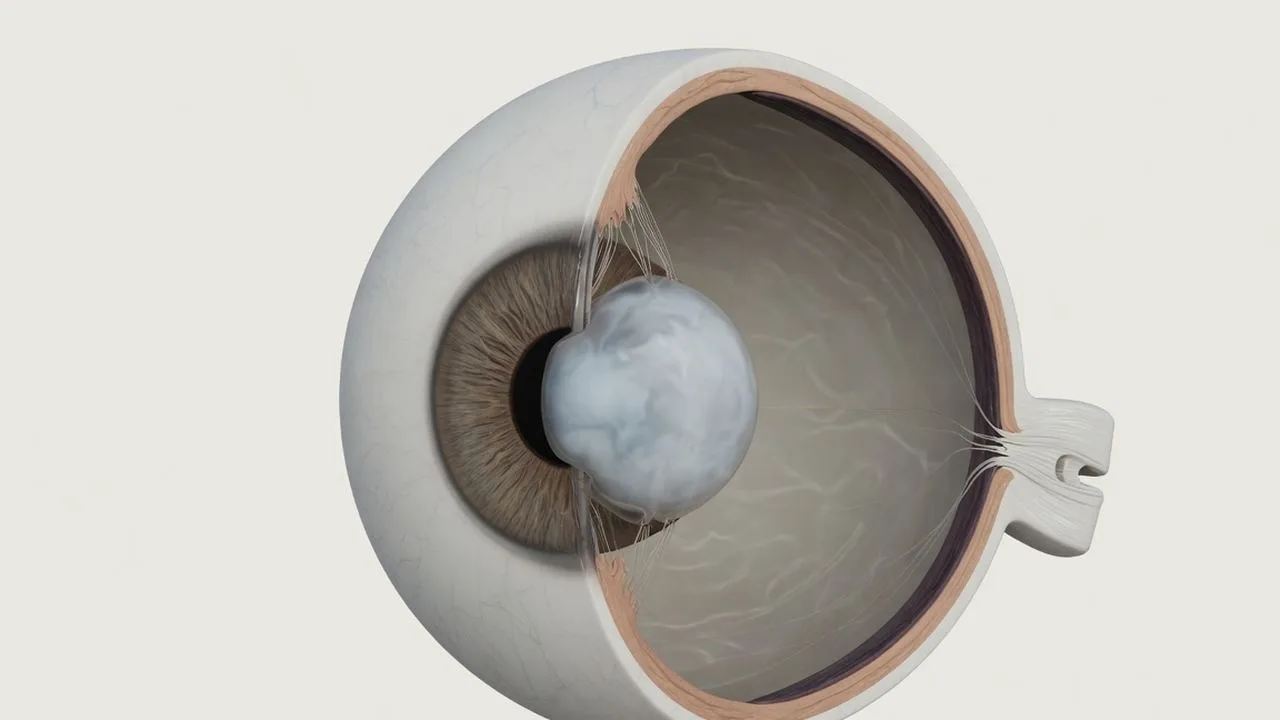
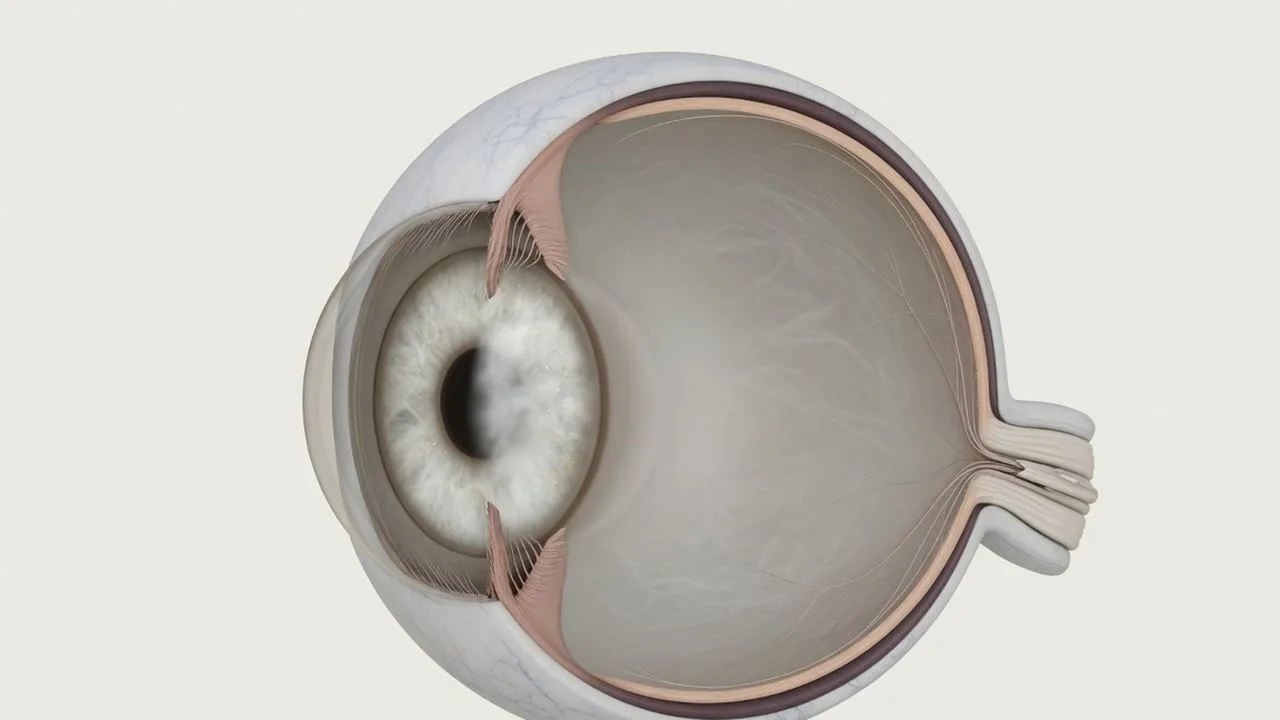
A cataract is an eye condition where the lens of the eye becomes cloudy and affects your sight. Cataract surgery removes that cloudy lens and replaces it with an artificial plastic lens called an intraocular lens. Recovery is the part most people have the least information about when they book: what happens in the hours after you leave the day surgery, what you are meant to avoid, who you call if something changes, and which questions only your own eye surgeon can answer. If you want the procedure itself explained, including how the lens works and what happens on the day, that sits on the Cataract surgery guide, and the wider specialty sits under Ophthalmology. This page is general information only and is not medical advice.
How Long Does Cataract Surgery Recovery Take?
Better Health Channel states that cataract surgery usually requires no stitches and that visual recovery typically occurs within days. That is a general statement about the operation, not a timetable you can hold your own eye to. Healing varies between people, and no Australian public health source publishes a day-by-day or week-by-week recovery schedule that applies to everyone.
What that means in practice is that "within days" describes the usual direction of travel, not a deadline you have missed if your sight is still settling. Your own expected course, including how your surgeon will judge progress at each review, is a question for the ophthalmologist who operated on you.
One thing about cataract recovery is settled: once a cataract has been removed it cannot redevelop. That is not the same as saying your vision can never change again, or that no further eye treatment could ever be needed. Clouding at the back of the lens capsule is a separate matter, and it is covered further down under further treatment.
What Happens in the First 24 Hours After Cataract Surgery?
Cataract surgery is an outpatient procedure and does not require an overnight stay in hospital, so most people go home on the day of the operation. Going home the same day is a statement about how the surgery is scheduled, not a statement about how significant it is. An operation on the eye is still an operation.
Getting home after surgery
You need someone to take you home after cataract surgery. That is worth arranging before the day, because a lift is part of the discharge plan, not an optional extra.
You should not drive until your vision has returned to normal. No number of days applies here, and no Australian health source sets one, so the point at which you can drive again is a decision for the practitioner treating you. Ask them directly at your review appointment.
Eye drops and pain relief
Your doctor will place a pad over the eye that was operated on. How long that pad stays on is set out in your own discharge instructions, and those instructions, not a generic timeframe, are what to follow.
You are given eye drops to use at home, and you should make sure you understand how to use them and how long you need to use them for. Ask that question before you leave the day surgery, while a nurse or your surgeon is still in front of you.
You might have some pain or discomfort in the eye afterwards, and you should tell a nurse or doctor so they can give you pain relief medicine.
What Should Cataract Surgery Aftercare Include in the Following Weeks?
Protecting the operated eye
For a few weeks after the operation you need to avoid rubbing your eye. Other restrictions people expect, covering bending, lifting, swimming, showering, make-up or sport, are not stated by those sources. No timeframe beyond the few weeks for avoiding rubbing is given either, because the source does not set one. If any of those unstated restrictions matter to your week, put them on the list of questions you take to your review appointment.
Returning to usual activities
There is no return-to-work or return-to-activity timetable because no source supplies one, and a generic number of days off would be a guess dressed up as guidance. Ask your doctor when you can go back to your usual activities, and bring the specifics: the job you do, whether it involves dust or heavy work, the hobbies you want back, and any driving your week depends on.
A practitioner can answer those against your own eye and your own healing.
When Will You Have Surgery on Your Second Eye?
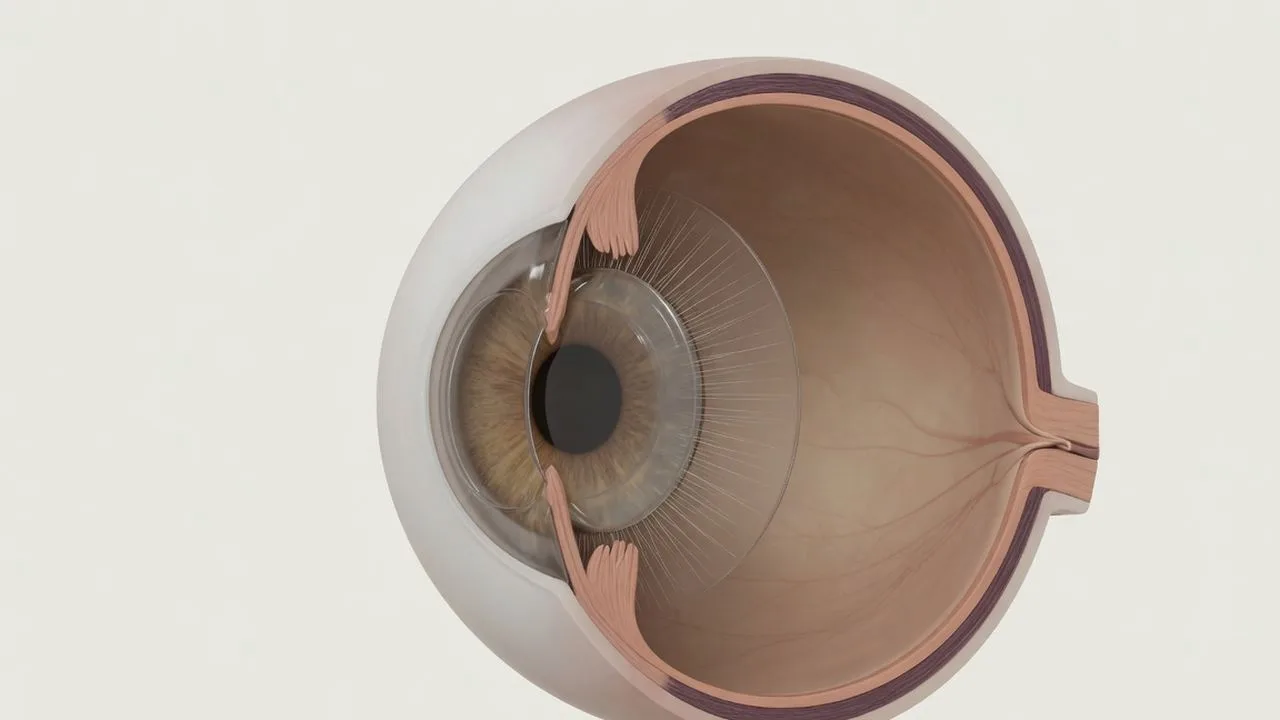
Where both eyes need surgery, RANZCO's patient advisory states that your ophthalmologist will usually wait until your first eye has healed before operating on your second eye. The gap between the two operations is a clinical judgement about how the first eye has recovered, so no interval is given and no assumption should be made either way about whether both eyes are done in the same session.
This matters for planning more than most people expect. If you have arranged a lift, time away from work or help at home for the first eye, the same arrangements are likely to come up again for the second, and the timing will be confirmed by your surgeon.
Which Symptoms and Complications After Cataract Surgery Need Urgent Advice?
Reasons to seek advice after cataract surgery include your eye becoming red and painful, fluid coming from your eye, and your sight getting worse.
Symptoms that need advice
No ranking of urgency is attached to those three, and no particular service is named as the one to attend, because the guidance does not rank them or name one.
| Change after surgery | What the guidance says to do |
|---|---|
| Your eye becomes red and painful | Seek advice from your treating practitioner or your usual emergency advice |
| Fluid comes from your eye | Contact your treating practitioner, or follow your usual emergency advice |
| Your sight gets worse | Get advice from your treating practitioner or your usual emergency line |
Your surgeon should have told you how to reach someone outside clinic hours. If that was not covered when you were discharged, ask the clinic how to reach someone outside hours, before you need it.
Complications after cataract surgery
Some people have bleeding, an infection or damage to their eye after cataract surgery, and if any of those occur you should contact your treating practitioner or use your usual emergency advice. No rate, percentage or probability is given for how often these happen, because the source does not state one. The fuller treatment of these complications, and what each one involves, sits on the Cataract surgery risks page.
What to Expect After Cataract Surgery From Follow-Up Care?
Cataract surgery is performed by an ophthalmologist, a specialist eye doctor, and follow-up stays with that surgeon.
Follow-up care responsibility
RANZCO states that the surgeon's obligation to the patient continues until post-operative rehabilitation is complete. That is a professional standard describing where responsibility sits, not a contractual entitlement and not a promise that every follow-up visit comes at no charge.
Read practically, it tells you who to go back to. If something is not right with the operated eye, the ophthalmologist who performed the surgery is the person whose responsibility it remains.
Getting emergency advice after surgery
RANZCO states the surgeon is responsible for seeing that adequate post-operative care is delivered, and should instruct the patient about access to emergency care, especially if vision deteriorates or fails to improve. No hospital, service or phone number is named as your pathway, and no timeframe is given for how quickly vision should improve, because the standard sets neither.
The practical version is a question you ask before you go home: who do I contact, and how, if my sight gets worse tonight or over the weekend? Write the answer down while you have someone in front of you.
What Affects Cataract Surgery Recovery Costs?
Which parts of recovery can move an out-of-pocket are worth naming so you know what to ask about on a written quote.
- Whether you are treated on a public or a private pathway, which changes who bills you and for what.
- The day surgery facility used for the operation.
- The treating ophthalmologist and the anaesthetist, each of whom sets their own fees.
- The number of follow-up visits your recovery involves.
- Whether a second eye is also operated on, which repeats much of the above.
- Whether further treatment such as capsulotomy is later needed for capsule clouding.
Ask the treating practitioner or clinic for an itemised written quote before the procedure, and check that it separates the ophthalmologist's fee, the anaesthetist's fee, the facility fee and follow-up visits, so two quotes can be compared line by line. Current prices are on the Cataract surgery cost page, and how Medicare interacts with any of it is set out on Cataract surgery and Medicare.
Prices shift as fees and inclusions change, so the linked cost page is the most current reference for what you would pay.
Could You Need Further Treatment After Cataract Surgery Recovery?
RANZCO states that Nd:YAG laser capsulotomy is used after cataract surgery to improve vision in cases where the posterior capsule has some opacity, which can be present initially or develop later. Clouding of the posterior capsule is a distinct thing from the cataract that was removed. It is not a failed operation and it is not the original cataract returning.
RANZCO states the decision to perform a capsulotomy is made together with the patient, that the risks of the procedure need to be understood by the patient, and that the benefits must outweigh the risks. The risks themselves are not listed, and no success rate is given, because the source states neither. That is a conversation to have with your ophthalmologist if capsulotomy is ever raised with you.
How often this happens, and how soon after surgery, is not given as a number.
How Can You Verify Your Eye Specialist or Raise a Concern?
Healthdirect advises checking that any health professional you see is qualified by looking them up with the Australian Health Practitioner Regulation Agency. The check is on the individual practitioner, not on a clinic brand or a practice name, and it is the practitioner who holds registration.
The Ahpra register also lets you find out whether a health professional has been disciplined, and why. What the register does not do is tell you how skilled someone is. It carries no information about surgical volume, outcomes, waiting times or fees, and appearing on it is not evidence of a good result. Where a disciplinary matter is listed, interpreting what it means for you is not something a website can do on your behalf.
Attribution matters here because people confuse these bodies. Ahpra is the national registration and notification body; a professional college such as RANZCO publishes practice standards for ophthalmologists. Checking a registration and reading a college standard are two different acts.
If you are concerned about the behaviour of a health practitioner you can contact the Australian Health Practitioner Regulation Agency, and healthdirect suggests speaking to the health professional first. Speaking to the practitioner first is a suggestion, not a hurdle you must clear. No outcome, timeframe, refund or compensation is promised by raising a concern, and that is not legal advice.
For any consultation about your recovery, the areas below are the ones worth clarifying before you agree to anything.
| Question area | What to clarify before proceeding |
|---|---|
| Procedure team | Who is responsible for assessment, the operation itself and each review appointment afterwards |
| Written plan | The proposed procedure, the expected scope, the follow-up pathway and what paperwork you are given |
| Risk discussion | Your personal risks, the benefits, the alternatives and when to seek help |
| Quote scope | Inclusions, exclusions, potential additional costs and cancellation terms |
| Aftercare | Contact arrangements and continuity of care after the operation, including out of hours |