For most Australians researching this, the questions are practical: who does the operation, what happens on the day, what the eye needs afterwards, and what could go wrong. Those are the questions an ophthalmologist should answer for your own eyes, and the ones worth arriving with. You can read more about eye conditions and specialists across CostDoc's ophthalmology section. This page is general information only and is not medical advice.
What Is Cataract Surgery?
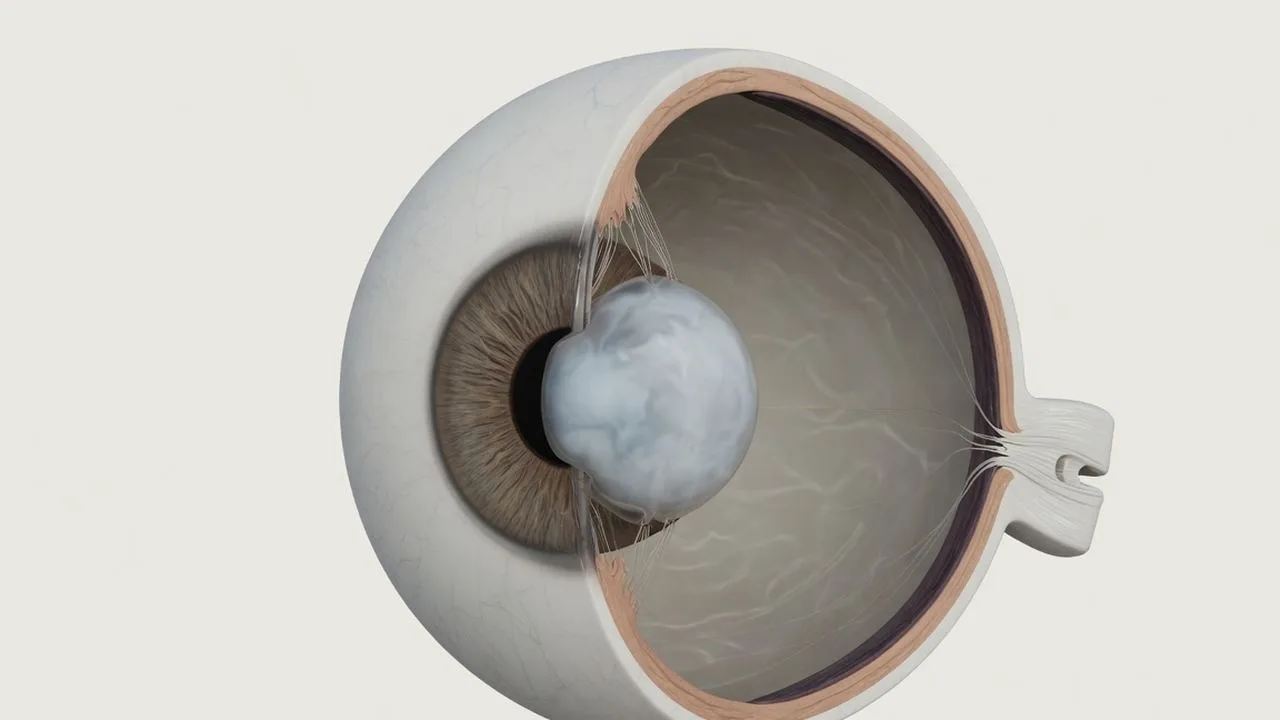
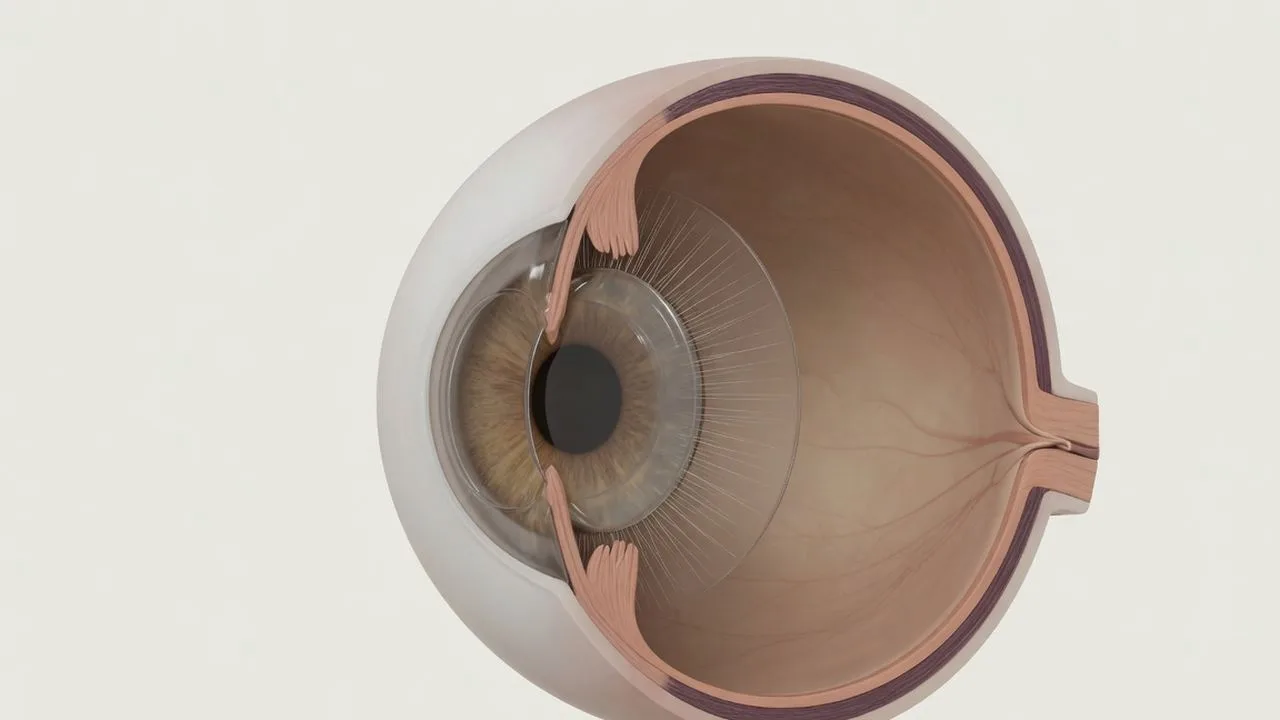
Cataract surgery is a short operation to replace a cloudy lens with an artificial lens. Surgery removes the clouded lens and replaces it with a permanently implanted artificial lens, called an intraocular lens. The intraocular lens is a transparent plastic disc with a similar shape to the natural lens, and many different types are available to suit different cases.
The reason it is an operation and not a prescription comes down to the lens itself. A cataract is a clouding of the lens of the eye, and once that lens becomes cloudy it will not recover its normal clarity. The implanted lens stays in the eye rather than being changed like a contact lens or a pair of glasses.
Which type of intraocular lens is proposed for your eye, and why, is a conversation with the ophthalmologist doing the operation, and it's the point in the process to raise any questions about your own case.
What Causes Cataracts and What Are the Symptoms?
Causes of a cataract
The main causes of cataracts are getting older and exposure to ultraviolet light, which is why cataract surgery is so often discussed with people in later life. Cataracts develop as a normal part of ageing, and they usually develop slowly and at a different rate within each eye. That uneven pace between the two eyes is one reason people notice a change in one eye long before the other.
Other causes exist as well:
- Diabetes and various eye diseases may cause cataracts.
- Eye injury may cause cataracts.
- Excessive exposure to ultraviolet light may cause cataracts.
Symptoms of a cataract
Vision becomes increasingly poor as light passing through the cataract is decreased and scattered. Early symptoms include glare and sensitivity to bright light, and haloes may appear around lights as a cataract continues to worsen.
Those symptoms overlap with other eye conditions, so noticing them is a reason to book an eye test, not a diagnosis. An optometrist can assess and treat minor problems, and will refer you on to an ophthalmologist if the issue needs specialist management.
When Is Cataract Surgery Needed?
If a cataract starts to affect your everyday life, your doctor or eye specialist may suggest surgery. In the early stages, treatment of cataracts may include prescription glasses, but leaving a cataract untreated means your symptoms may continue to worsen.
The public system in some states writes down what it looks for before a referral is accepted. In Victoria, a referral for cataract surgery assessment is expected to include a comprehensive eye and vision assessment, usually performed by an optometrist or ophthalmologist, and best corrected visual acuity for both eyes. The Victorian statewide referral criteria ask for a documented cataract together with either significant disabling symptoms that affect the person's activities of daily living, or visual acuity of 6 by 12 or worse in the affected eye. Referral is not indicated for lens opacities that do not have a significant impact on the person's activities of daily living, or before the person's vision has been corrected with spectacles, contact lenses or visual aids.
Those are one state's public-system criteria. They are not a national rule and they do not describe private care, and whether any individual meets them is a judgement for the treating practitioner, not something to work out at home. Only you can decide if surgery is right for you, and if you have any questions you should ask your ophthalmologist.
Who Performs Cataract Surgery and How Do You Get Referred?
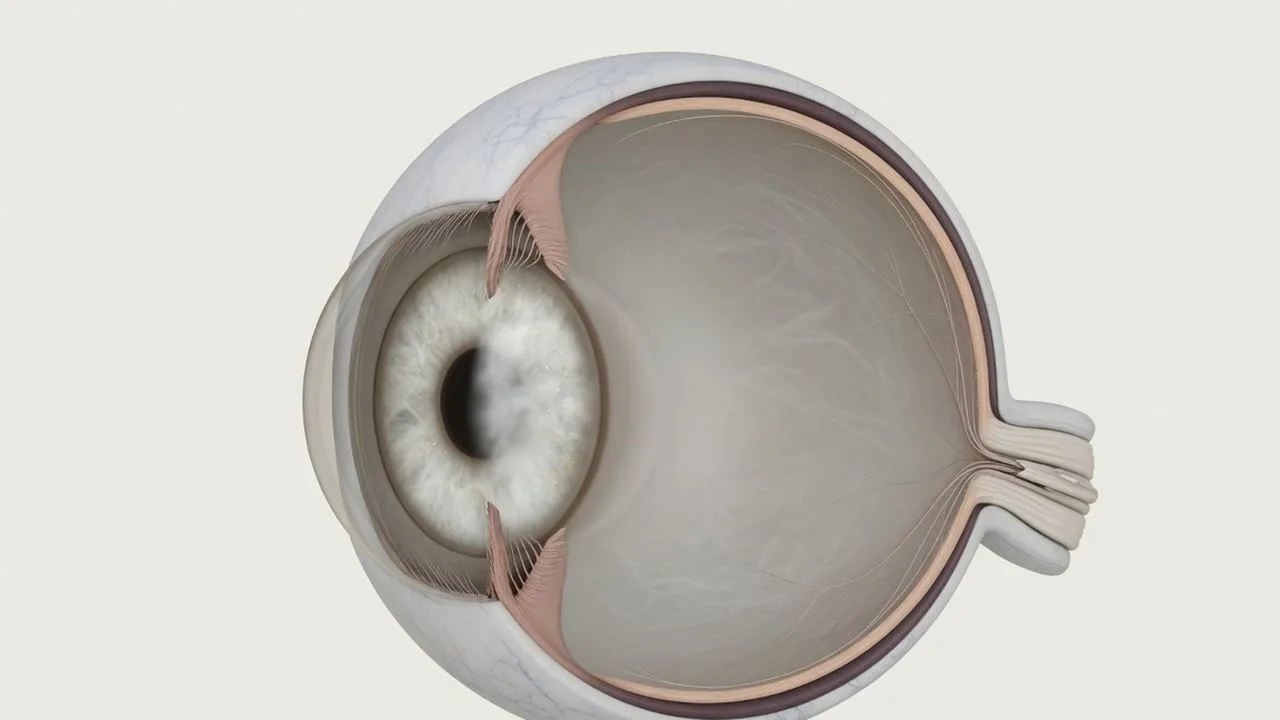
Cataract surgery is performed by an ophthalmologist. An ophthalmologist is a specialist eye doctor, that is a medical doctor with additional training in the diagnosis and treatment of eye conditions. In Australia, ophthalmologists need to complete several years of specialist training after they become a doctor.
Getting to one follows a set path:
- Start with an eye test. You do not need a doctor's referral to see an optometrist for an eye test.
- Get a referral. It is important to get a referral from your doctor or optometrist to see an ophthalmologist.
- Know the split in roles. Optometrists can give advice on visual problems and treat minor eye problems, and will refer you to an ophthalmologist for the management of more serious eye conditions.
- Keep testing on a cycle. As general eye-health guidance, people aged 40 years and over should have an eye test every 2 to 3 years.
Once you have a name, you can check it yourself. You can check that the individual health professional you plan to see is qualified by looking up their name on the AHPRA public register. The AHPRA public register also lets you find out whether a health professional has been disciplined and why. Healthdirect explains how to use the register to confirm a practitioner's registration. Look up the individual doing the operation rather than the clinic brand above the door: the register covers people, and a registration record describes standing, not how a particular operation will go.
How Do You Prepare for Cataract Surgery?
Before surgery you will need to have some tests, including an eye test so that your replacement lens can be made to the correct strength. That measurement is the reason the pre-operative appointment matters as much as the operating day.
Your health history feeds into the plan as well. Tell your ophthalmologist about any health problems you have, because some may interfere with surgery, anaesthesia, recovery and ongoing medical treatment following recovery. Which of your conditions or medicines matter, and what to do about them, is a decision for the ophthalmologist and not something to work out from a list online.
The other half of preparation is consent. Informed consent is a person's voluntary decision about medical care that is made with knowledge and understanding of the benefits and risks involved. A proper consent conversation covers what the surgery involves, what it can and cannot achieve for you, and the risks alongside the benefits. A consent conversation that leaves you unsure what was proposed and why has not finished yet.
What Happens During the Cataract Surgery Procedure?
The doctor makes a small cut in the eye, which lets them remove the cloudy lens and insert the plastic lens. Most people have a local anaesthetic and light sedation. The operation usually takes less than 30 minutes.
| Stage | What it involves |
|---|---|
| Admission | Cataract surgery is done as a day surgery procedure and does not require an overnight stay in hospital |
| Anaesthetic | Most people have a local anaesthetic and light sedation |
| The operation | A small cut in the eye, the cloudy lens removed and the plastic lens inserted, usually in less than 30 minutes |
| Second eye | If you have cataracts in both eyes, they will usually be treated on separate days, maybe weeks apart |
The phacoemulsification technique
In phacoemulsification the surgeon makes a small incision near the border of the cornea and sclera, or in the cornea, and a small vibrating probe is inserted into the lens capsule to divide the lens into pieces that are gently vacuumed away before the intraocular lens is inserted. How the named techniques differ from one another, and what suits which case, is set out on CostDoc's guide to cataract techniques, risks and questions.
Laser-assisted cataract surgery (FLACS)
A surgeon may recommend the FLACS procedure, where laser pulses are used to assist cataract removal. Which technique a surgeon proposes for your eye, and their reasons for it, belongs in the consultation. Ask for the proposal in writing alongside the rest of the plan.
What Are the Risks and Possible Complications?
Problems with cataract surgery are uncommon, and some people have bleeding, an infection or damage to their eye. Cataract surgery does have risks of complications, and these should be discussed with your ophthalmologist. That discussion is personal: what applies to your eyes, your health history and the technique proposed. Neither Healthdirect nor RANZCO publishes a rate for how often these happen.
The table below sets out what to have settled before you agree to go ahead.
| Question area | What to clarify before proceeding |
|---|---|
| Procedure team | Who is responsible for assessment, planning and each stage of the operation |
| Written plan | The proposed procedure, expected scope, follow-up pathway and document handover |
| Risk discussion | Personal risks, benefits, alternatives and when to seek help |
| Quote scope | Inclusions, exclusions, potential additional costs and cancellation terms |
| Aftercare | Contact arrangements and continuity of care after the operation, including out of hours |
Nothing in a general description of risk tells you what your own risk is. As you make the decision whether to have surgery, make sure that you understand the risks, benefits and limitations of surgery.
What Happens After Cataract Surgery?
You will be given eye drops to use at home after the operation. You should not drive until your vision has returned to normal. For a few weeks after the operation, you will need to avoid rubbing your eye.
Contact your eye specialist or go to the emergency department if your eye becomes red and painful, if fluid is coming from your eye, or if your sight is getting worse. How the days and weeks after the operation usually run, including follow-up appointments and activity, is covered in the cataract surgery recovery timeline.
Can a Cataract Come Back After Surgery?
Posterior capsule opacification can occur following cataract surgery, when the membrane surrounding the artificial lens implanted during the surgery becomes cloudy or thickened, resulting in blurred vision. The YAG laser procedure is used to treat posterior capsule opacification after cataract surgery. Metro North Health states that evidence suggests around 6 per cent of patients undergoing cataract surgery will require this type of laser procedure.
Public systems treat it as a recognised reason to be seen again. NSW Health lists posterior capsular opacity as a condition for referral to a public ophthalmology outpatient clinic, with recommended timeframes for a person to be seen. Those are one state's public-system criteria rather than a national rule, and they say nothing about private waiting times. Blurred vision months or years after an operation is worth raising with the ophthalmologist who did it, whatever the cause turns out to be.
How Common Is Cataract Surgery in Australia?
The Australian Institute of Health and Welfare reported that cataract surgery was the most common public hospital elective surgery procedure in the 2024-25 year, with 88,000 admissions, and that half of these patients were admitted within 106 days. The AIHW media release carries the underlying elective surgery figures.
Read that carefully, because it describes a national public hospital caseload for one year. It is not a forecast of how long any individual will wait, it does not describe private hospitals, and it does not describe any single state or hospital. What your own wait would be depends on the system you are treated in and the assessment made by the people treating you, and it is a question for your referring doctor and the hospital involved.
What Affects What Cataract Surgery Costs?
Several things move the out-of-pocket figure for cataract surgery, and they are worth asking about individually:
- Public or private treatment. The system you are treated in shapes everything that follows, including who bills you.
- The surgeon's and the anaesthetist's fees. Most people have a local anaesthetic and light sedation, and the anaesthetist commonly bills separately from the surgeon.
- The day surgery facility. Cataract surgery is done as a day surgery procedure and does not require an overnight stay in hospital, so a facility fee usually applies rather than an inpatient stay.
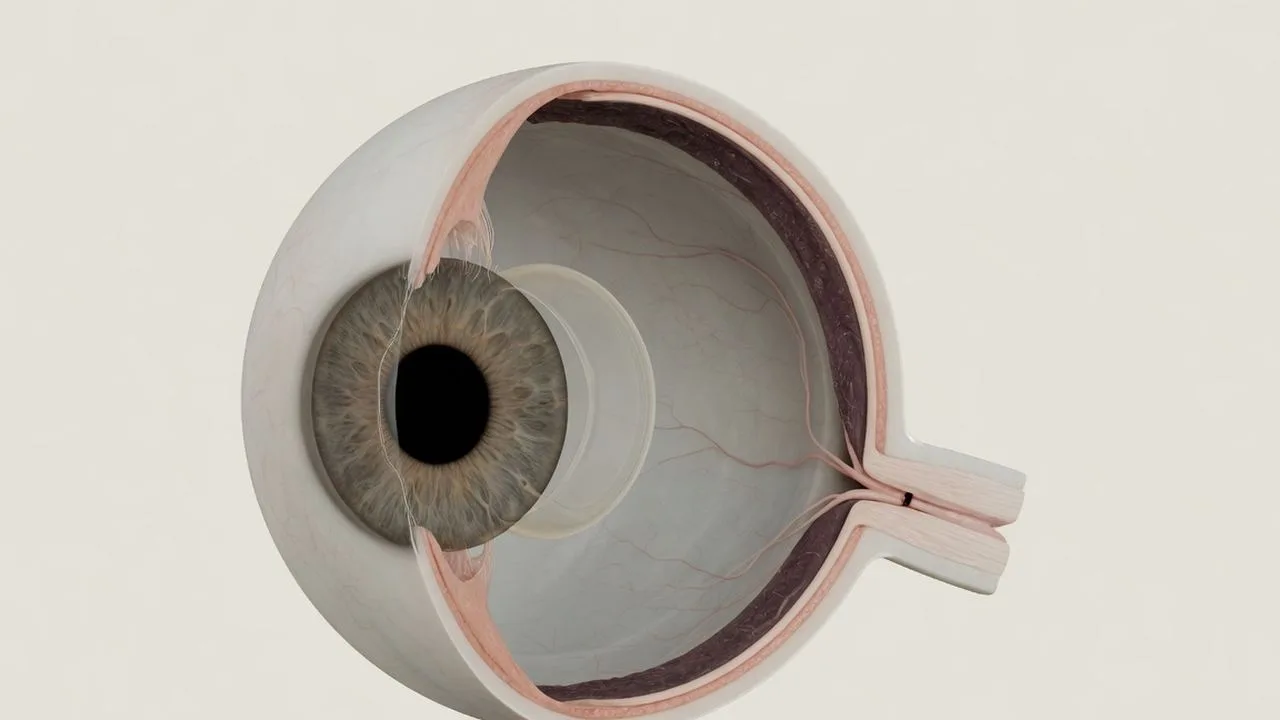
- The intraocular lens used. The type of intraocular lens used also affects what is charged.
- One eye or both. If you have cataracts in both eyes, they will usually be treated on separate days, maybe weeks apart, which means two episodes of care rather than one.
- Follow-up appointments. Ask whether post-operative reviews are included in the fee quoted or billed separately.
A written quote you can actually compare against another one names the surgeon and the anaesthetist and their fees separately, the facility fee, the lens, whether one or both eyes are covered, and which follow-up appointments are included. Current prices are set out on the cataract surgery cost page, and how Medicare treats the item numbers involved is explained under cataract surgery and Medicare.
What If You Have a Concern About Your Care?
Speaking directly with your health service provider is often the quickest and easiest way to resolve complaints. Anyone with concerns about a health service that is being provided can make a complaint.
A concern about care can be raised with the practitioner or clinic directly, and also with the relevant state or territory health complaints body, which may refer professional conduct matters to AHPRA. The Victorian Health Complaints Commissioner sets out how that referral works for providers in that state. Each state and territory has its own body, so start with the one covering where the care was given.