What Are the Disadvantages of Cataract Surgery?
Problems with cataract surgery are uncommon, and some people have bleeding, an infection or damage to their eye, which are matters to ask your ophthalmologist about before you consent.
Surgery usually requires no stitches and visual recovery typically occurs within days.
Every appropriate intraocular lens option should be discussed with you, along with the refractive outcome the surgeon expects. That is a conversation held on your own measurements, which is why no page can tell you in advance which lens fits your eyes.
What Are the 3 Types of Cataract Surgery?
Australian patient guidance covers phacoemulsification, laser-assisted (FLACS) surgery, and large-incision extraction, either extracapsular or intracapsular.
| Technique label | What the label describes | Who decides it applies |
|---|---|---|
| Phacoemulsification | A small incision, a vibrating probe that divides the lens, then insertion of the intraocular lens | The operating ophthalmologist, after assessment |
| Laser-assisted (FLACS) | Laser pulses used to assist cataract removal | The operating ophthalmologist, who may recommend it |
| Large-incision extraction | Extracapsular or intracapsular removal through a larger incision, used when phacoemulsification is unsuitable | The operating ophthalmologist, in uncommon cases |
Phacoemulsification
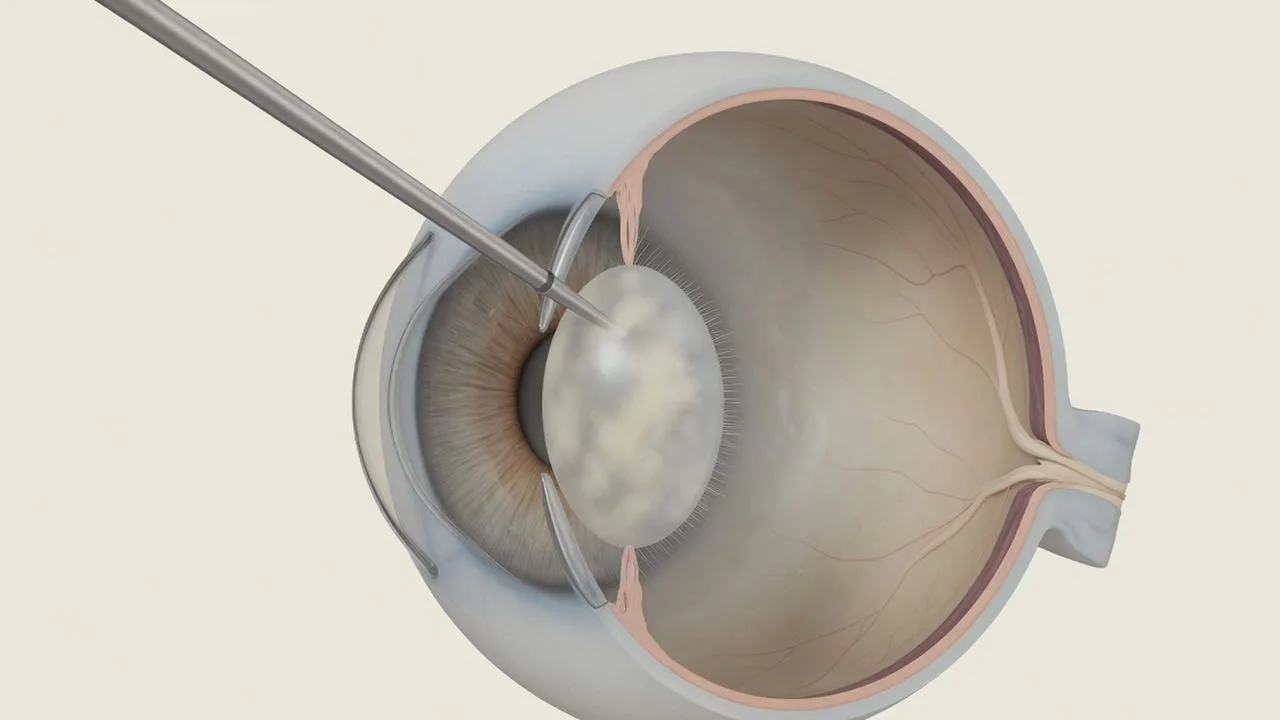
In phacoemulsification the surgeon makes a small incision near the border of the cornea and sclera, or in the cornea, inserts a small vibrating probe into the lens capsule to divide the lens into pieces, gently vacuums the pieces away, and inserts the intraocular lens. RANZCO states that the preferred type of surgery is extracapsular cataract extraction either by manual removal of the nucleus or by phacoemulsification, and that the intracapsular technique is inappropriate in routine cataract surgery. That is a college practice preference for routine surgery, not a law, a ban or a Medicare rule, and it says nothing about non-routine cases.
Laser-assisted (FLACS) surgery
A surgeon may recommend the FLACS procedure, in which laser pulses are used to assist cataract removal. Nothing in Australian patient guidance describes this as more accurate or better than the alternatives. If a surgeon raises it, the useful questions are why it suits your eyes specifically, and what changes in the written quote when the label changes.
Large-incision surgery
In some patients phacoemulsification is unsuitable and large-incision surgery is used for extracapsular extraction or intracapsular extraction, and such cases are uncommon. Uncommon is the word the source uses, and it is not a rate. If your surgeon proposes this, ask what about your eyes makes the small-incision method unsuitable.
What Are the Risks of Cataract Surgery?
RANZCO states that cataract surgery does have risks of complications, that these are outlined in the complete patient education pamphlet, and that they should be discussed with your ophthalmologist. No rate or percentage appears here, because the sources state none. Once a cataract is removed it cannot redevelop, which is not the same as a promise that vision will never change again.
| Question area | What to clarify before proceeding |
|---|---|
| Procedure team | Who is responsible for assessment, planning and each stage of the procedure |
| Written plan | The proposed procedure, expected scope, follow-up pathway and document handover |
| Risk discussion | Personal risks, benefits, alternatives and when to seek help |
| Quote scope | Inclusions, exclusions, potential additional costs and cancellation terms |
| Aftercare | Contact arrangements and continuity of care after the procedure, including out of hours |
Complications to ask about
Post-operative bacterial endophthalmitis is a recognised risk of cataract surgery, and RANZCO endorses the principle of using an intra-cameral antibiotic at the end of cataract surgery, which is something to ask your ophthalmologist about. In the time period immediately following the procedure, intraocular pressure should be monitored and a rise treated when necessary. For a person with sight in only one eye, the ophthalmologist must explain the risk of total blindness if severe complications should occur, and the threshold for surgery may be different. That last point applies to a single seeing eye and is not a statement about people with sight in both eyes.
Posterior capsule opacification
Clouding of the lens capsule behind the implant, known as posterior capsule opacification, is a recognised occurrence after cataract surgery, and Nd:YAG laser capsulotomy is the recognised technique for treating capsular opacification or visually disturbing fold formation. That treatment should be carried out only to reduce the effect on vision of opacification or folding of the membrane, should not be a routine part of post-operative care, and requires its own informed consent. A capsulotomy is a separate decision with its own consent conversation.
Is Cataract Surgery Painful?
Most people have a local anaesthetic and light sedation for cataract surgery. You might have some pain or discomfort in the operated eye after cataract surgery, and you should tell a nurse or doctor so they can give you pain relief medicine. RANZCO states that the anaesthetic technique used depends on many factors including the surgical technique and the patient's health status, and that the surgeon should discuss the choices with the patient.
The operation usually takes less than 30 minutes and is an outpatient procedure that does not require an overnight stay in hospital. What happens on the day, and the pad and drops that follow, sit on the Cataract surgery guide.
Who Decides If You Are Suitable for Surgery?
The ophthalmologist decides, and RANZCO states that cataract surgery is not indicated just because of the presence of a cataract. Surgery is indicated when the ophthalmologist decides visual symptoms are completely or partly due to cataract, and the decision to advise a patient to proceed should occur after all factors have been considered and the benefits are felt to outweigh the risks. The list below is what the surgeon weighs, not a test you can run on yourself.
RANZCO names the factors taken into account as the patient's age, occupation, home conditions, family circumstance, general health, hobbies, ability and need to drive a motor vehicle, and ophthalmic co-morbidities. Suitability assessment also covers matters such as the ability to lie supine for the surgery, current diabetic control and anti-coagulation therapy, and any change to anti-coagulation should only be undertaken in consultation with the appropriate managing physician. No change to blood-thinning medicine belongs to a surgeon, a website or you alone.
Cataracts develop as a normal part of ageing, and diabetes, various eye diseases, eye injury or excessive exposure to ultraviolet light may also cause cataracts. Risk of cataract also increases with a family history of cataracts, previous eye injuries or surgery, radiation therapy, smoking and excessive alcohol consumption. More on these risk factors is on the Ophthalmology hub.
What Happens Before Surgery?
Recovery timeline to discuss with your eye specialist
- After surgery: cataract surgery is generally performed as day surgery and does not require an overnight stay in hospital.
- Early recovery: expect gradual improvement within days, though experiences differ.
- Following weeks: avoid rubbing the operated eye and ask the eye specialist when usual activities can resume.
A referral from your doctor or optometrist is needed to see an ophthalmologist, and before surgery some tests are required, including an eye test so that the replacement lens can be made to the correct strength. RANZCO states that a comprehensive pre-operative eye examination should include examination of both eyes as well as accurate corneal refractive power and axial length measurements.
The assessment should be performed by the ophthalmic surgeon who is to perform the surgery or by an ophthalmic colleague, provided clinical details are communicated between the diagnosing and operating surgeon. Optometrists and orthoptists are not doctors, and optometrists refer people to an ophthalmologist for serious eye conditions.
Informed consent means you agree to treatment after the practitioner has explained each available choice, the risks and their likelihood, and the benefits, and after you have had a chance to ask questions. RANZCO states that medical and financial informed consent should be obtained prior to cataract surgery. Tell your ophthalmologist about any health problems you have, because some may interfere with surgery, anaesthesia, recovery and ongoing medical treatment following recovery.
In practical terms, the things that move a cataract surgery out-of-pocket are the technique category the ophthalmologist selects, the intraocular lens option discussed, whether care is public or private, the day surgery facility, and the number of post-operative reviews. The Australian Government Medical Costs Finder explains what a fee for a medical service is, being the amount charged for a medical service by a general practitioner or medical specialist. Those amounts belong on Cataract surgery and Medicare and the Cataract surgery cost page.
What Happens If You Do Not Have Surgery?
If you do not have surgery your symptoms and condition may continue to worsen, and once a lens becomes cloudy it will not recover its normal clarity. If a cataract starts to affect your everyday life, your doctor or eye specialist may suggest surgery. Whether or when to proceed is a decision that follows an examination of your eyes, not a fixed timetable.
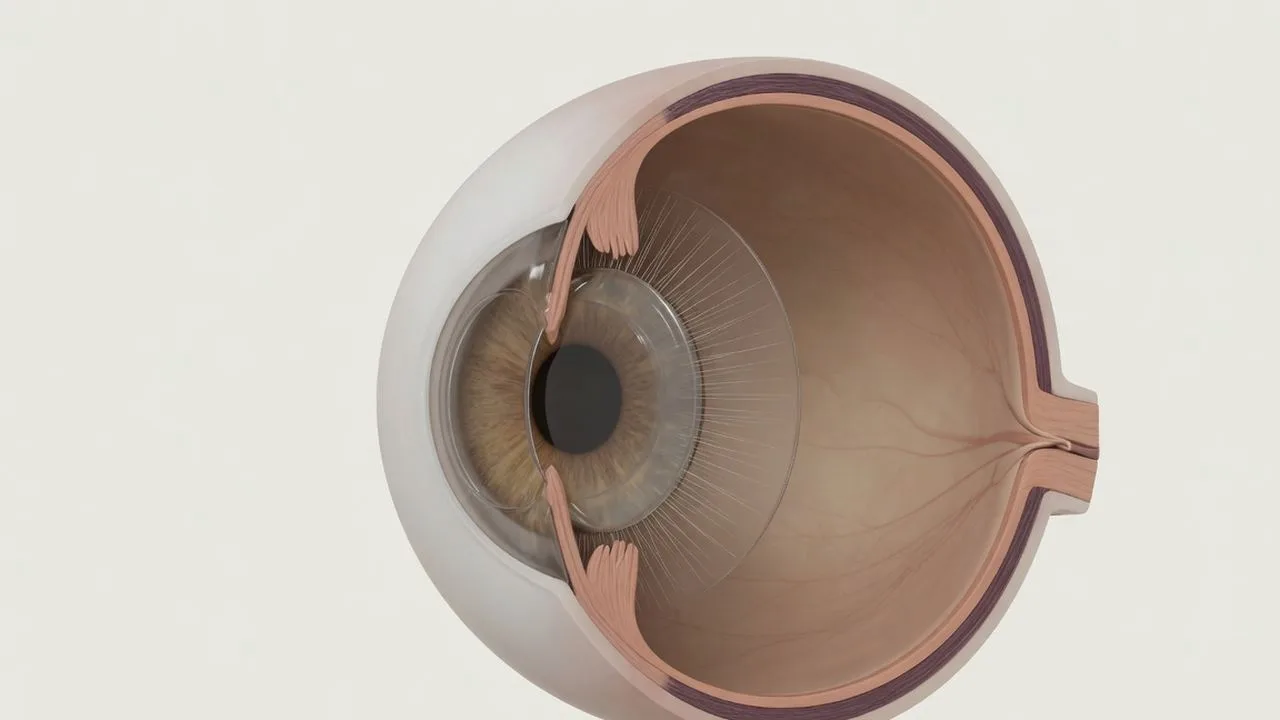
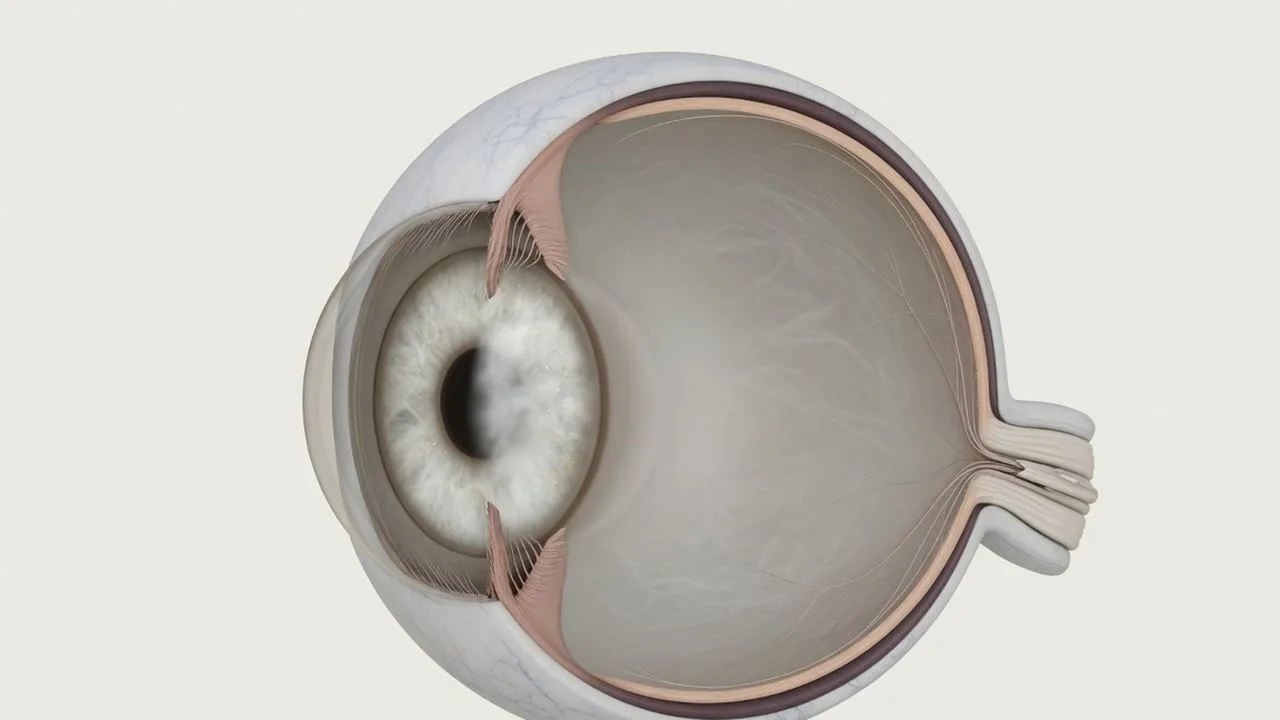
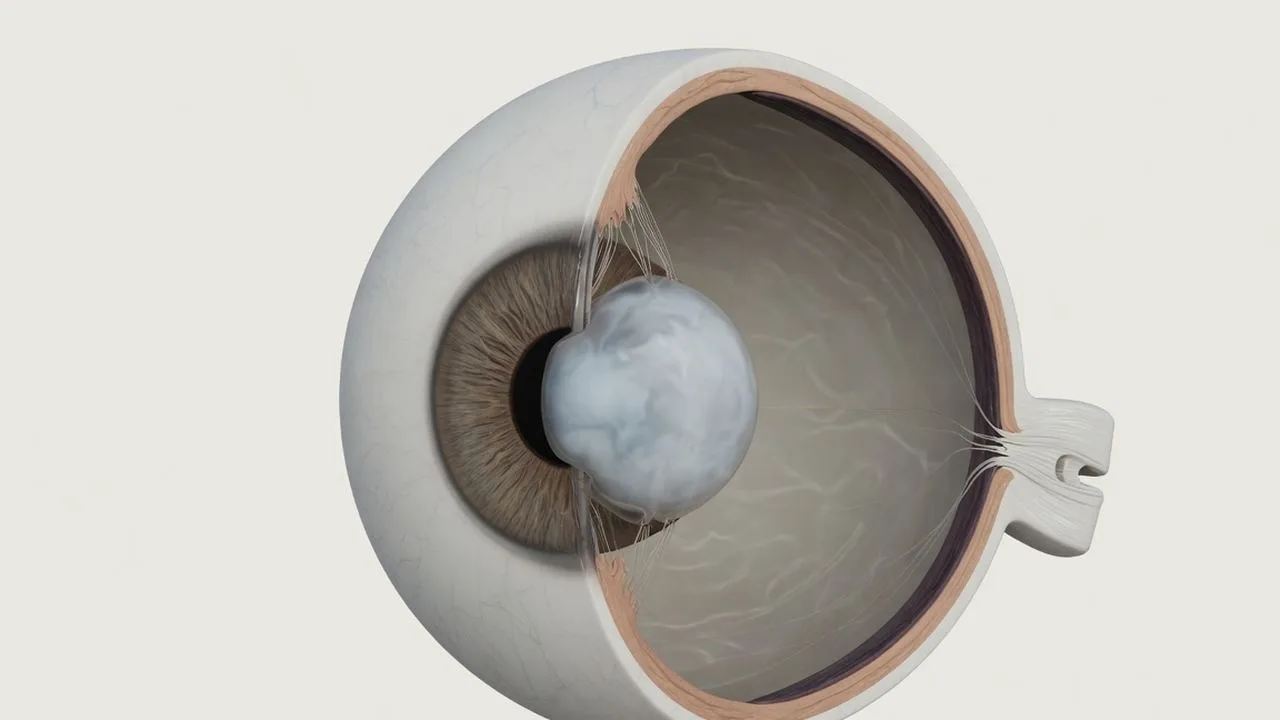
A cataract is a clouding of the lens of the eye, and it can develop in one or both eyes. When the lens is cloudy, light passing through the cataract is decreased and scattered, so images are weak and not focussed on the retina and vision is affected. Where both eyes are involved, the ophthalmologist will usually wait until the first eye has healed before operating on the second.
What Should You Do If You Have a Concern About Your Care?
If you have a concern about your care it is best to raise it with the practitioner or clinic first, and if that does not resolve it you can contact the health complaints body in your state or territory, or Ahpra. RANZCO states that the surgeon's obligation to the patient continues until post-operative rehabilitation is complete. The surgeon should also instruct the patient about access to emergency care, especially if visual acuity deteriorates or fails to improve after surgery, and it is the surgeon's responsibility to ensure appropriate emergency care is available during the post-operative period.
Check the individual practitioner you will see on the Australian Health Practitioner Regulation Agency register, because registration attaches to the individual practitioner and not to the clinic brand. Ahpra publishes information about the registration status of health practitioners in Australia, and the register can also show whether a practitioner has been disciplined and why. A register entry shows status and disciplinary history. It does not score skill, predict a result or compare one practitioner with another.
Where post-operative care is provided by another practitioner, RANZCO states that person must be a medical practitioner or optometrist registered with Ahpra, and the operating surgeon must see the patient themselves at some time in the first four weeks after surgery. The frequency of post-operative review depends on the surgical technique and on operative and post-operative complications, and those visits are necessary to determine the progress and completion of post-operative rehabilitation.
Questions worth taking into any consultation:
- Who performs each stage of the assessment, the operation and the post-operative reviews?
- What is the registration status of the individual practitioner who will operate, and what relevant experience do they have?
- What does the written quote include, what does it exclude, and what would add to it?
- Who handles a complication, out of hours as well as in hours, and how do I reach them?
- What happens if I am unhappy with the outcome, and who do I raise that with first?