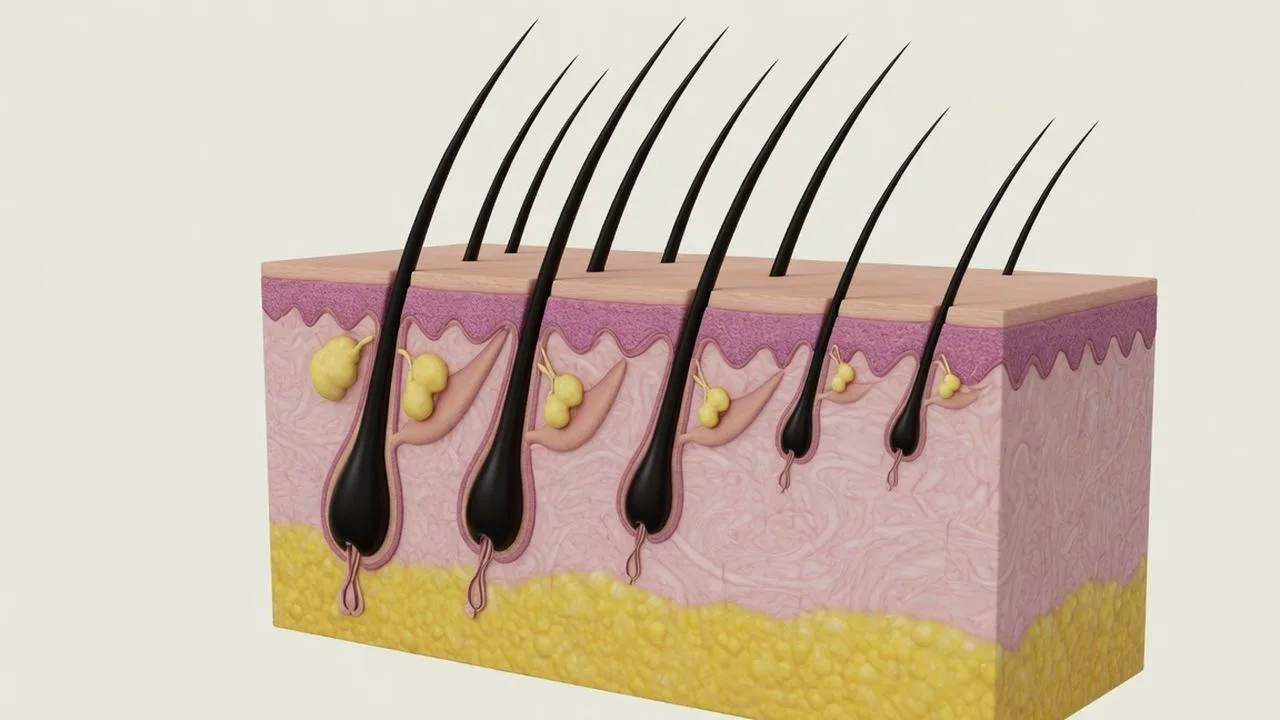
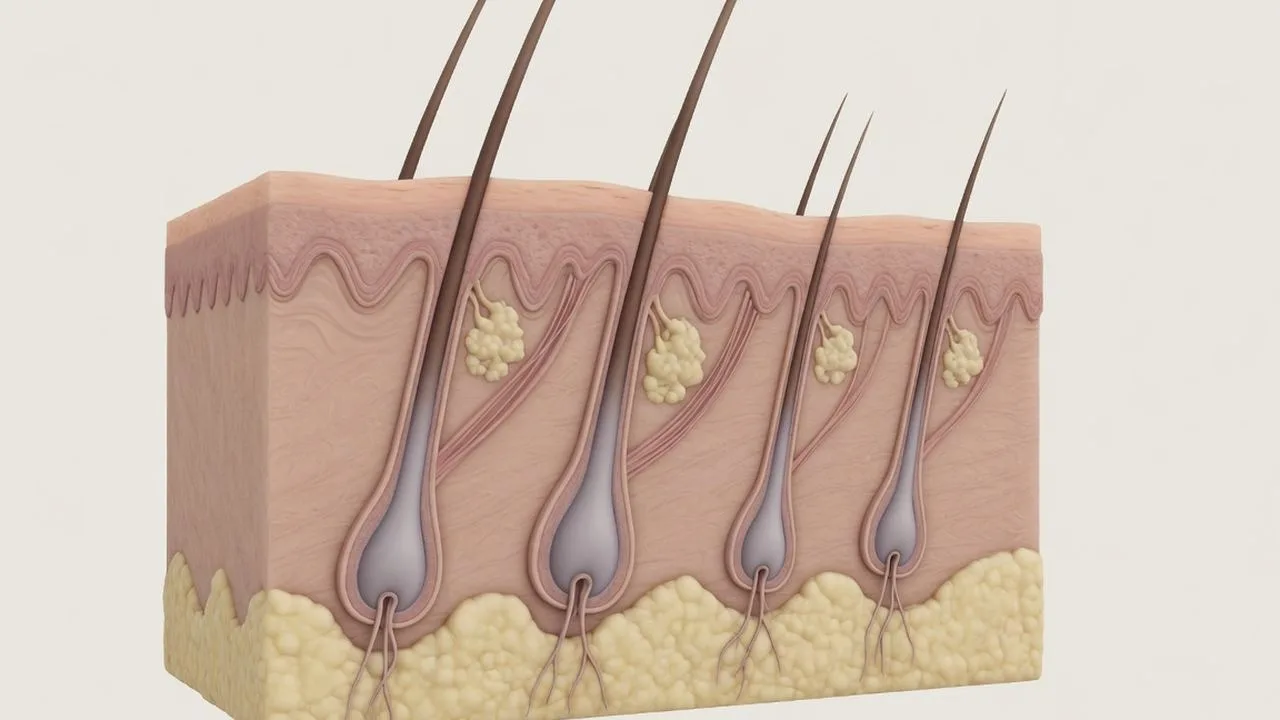
What Is an FUE Hair Transplant?
An FUE hair transplant takes hairs out one at a time from the back of your head. FUE and FUT are names for how the hair is taken. DHI is a name for how it is put in. Each little group of hairs they move is called a graft.
- FUE punches each graft out one by one with a tiny round tool about a millimetre across. Putting those hairs in is the same kind of job as after a strip.
- FUT, also called the strip method, cuts out one strip of scalp, stitches that site closed, then splits the strip into grafts.
- DHI is a pen-like tool for putting grafts in. The International Society of Hair Restoration Surgery says it is not a hair transplant method and should not be sold as one.
Some of those tools put the hair into a cut already made. Others make the cut and put the hair in at the same time.
How Does FUE Compare With FUT and DHI?
They differ in how the hair is taken, what the back of your head looks like afterwards, and how long that area takes to settle. In a 2017 worldwide census, FUE was used 53 percent of the time, FUT 44 percent, and a mix 3 percent. That is a worldwide snapshot from 2017, not an Australian ranking for 2026.
| FUE | FUT (strip) | DHI | |
|---|---|---|---|
| What it is | Hairs taken out one at a time with a tiny punch | A strip of scalp taken out and stitched closed | A tool for putting hairs in, not a third way of taking them out |
| Scar at the back | Many small dots. With short hair they are too small to read as a line | One straight line that can show if you wear the back short | Set by how the hair was taken, because putting it in happens at the front |
| Time for the back to settle | About seven days in one peer-reviewed comparison | About two to three weeks in the same comparison | Follows how the hair was taken, not the name on the tool |
| Where it tends to fit | Short haircuts, smaller sessions, covering an old strip scar | Larger areas in one session | Ask whether they mean the placing tool, or a separate operation |
Is FUE or FUT Better for You?
It depends on your haircut, how much work you need, and what you are willing to see at the back of your head. No method is best as a rule. What people choose can differ with how much hair has been lost, what they prefer, and the risk of side effects.
| FUE tends to suit | FUT tends to suit | |
|---|---|---|
| Haircut | You want the back very short and do not want a straight scar | You can wear enough hair at the back to cover a line |
| Amount of work | A smaller session, or covering an old strip scar | A larger area in one session |
| Trade-off | Many small dots, and a higher chance of damaging hairs as they are punched out | One line, and a longer wait for that line to settle |
DHI does not change this choice on its own. It names the tool used to put hairs in after they have already been taken out. Whether either method suits you still depends on how your hair grows, how much has been lost, family history, previous treatment and how much hair is left at the back.
Does FUE Leave Less Scarring Than FUT?
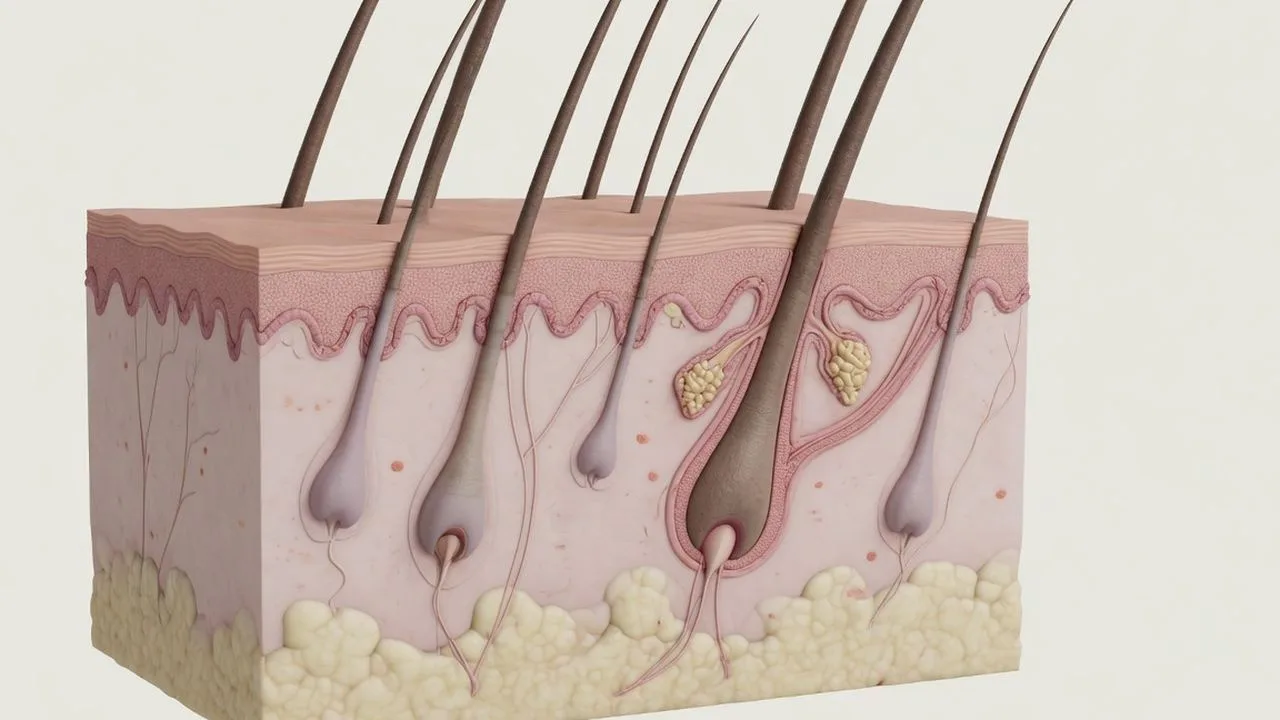
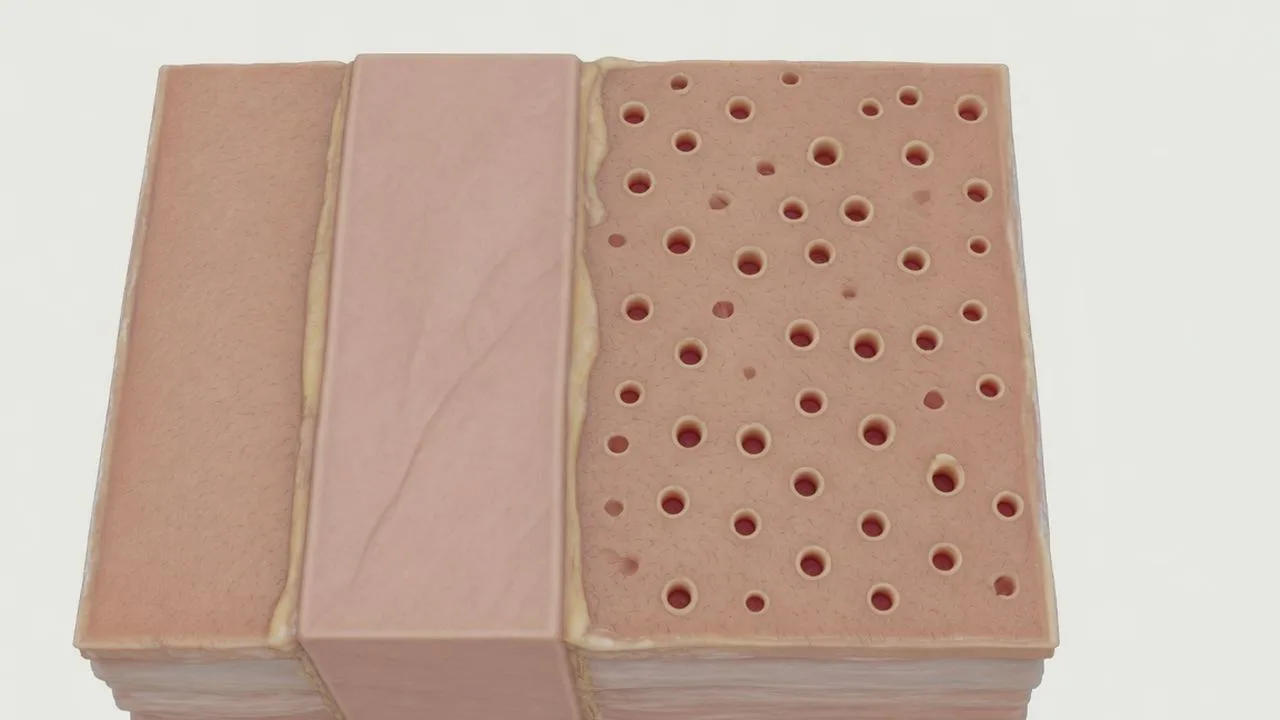
No. Both leave a scar. FUT leaves a line. FUE leaves small circular dots. Most scars at the back should sit under hair and be hard to see. Any scarring you can still see is permanent, though it should fade.
- FUT leaves a straight scar where the strip was cut out and stitched.
- FUE leaves small circular scars. A peer-reviewed review describes well-spaced FUE scars as too small to recognise next to a strip line. That is a description of the pattern, not a promise they will never show.
- How many grafts are taken still matters. Some surgeons, aiming for higher numbers, may punch into hair that was going to fall out anyway, and those hairs may be lost for good.
If you wear your hair short, ask what the back of your head should look like at that length. The label on the website will not answer that.
Who Is FUE Usually Offered To?
People who want to wear their hair very short and do not want a straight scar at the back, people who only need a smaller session, and people covering a widened scar from an earlier strip. It is also used when an old strip scar means another strip cannot be taken, and for people who tend to heal with a wide or thickened line.
- FUE is the usual conversation when a short haircut is part of the plan, when the session is smaller, or when an earlier strip scar is in the way.
- FUT is listed as more able to cover large areas in one session. It is not outdated. In that 2017 worldwide census it was still 44 percent of the work.
- Neither label settles it. Whether it is right for you still depends on how your hair grows, how much has been lost, family history, previous treatment and how much hair is left at the back.
What Happens Before a Hair Transplant?
They look at the hair you have, not the procedure you have already picked. That usually means how your hair grows, how much has been lost, family history, and any earlier surgical or medical treatment.
- Start with what you still have. If you start off without much hair, a transplant will not give you a full head of hair. Thicker, denser remaining hair tends to look better afterwards.
- You need hair at the back to move. You must have healthy hair on your head to use, you will not get the full coverage you had before hair loss, you should be well enough for the procedure, and you will usually need to be a non-smoker or have stopped.
- Smoking is raised early. Smokers have a higher risk of complications, and people considering a transplant should try to quit.
- Most of this work in Australia is for male pattern baldness.
- They also have to check you are not stuck on how you look in a way that would make this a bad idea (body dysmorphic disorder).
They must tell you, in conversation and in writing in plain language, enough to decide whether to go ahead. How that applies to your scalp is for that assessment.
What Happens During an FUE Hair Transplant?
You are usually numb under local anaesthetic, and the session typically lasts from two to eight hours depending on how many hairs are moved.
- Taking the hairs out. Numbing goes over the back of the head. A small punch loosens each graft, then it is lifted with forceps, tweezers or suction. A punch or a scalpel can be used.
- What a graft holds. One graft may hold one to four hairs, or rarely five or six. Two clinics quoting the same graft count are not always talking about the same amount of hair.
- Putting them in. A pen-like tool can load the graft so the root is not handled directly, which may mean less damage than forceps. Some tools make the cut and put the hair in together. Others go into cuts already made.
How Long Does It Take?
Average time is about seven days for FUE, and about two to three weeks for FUT. On the day, two to eight hours.
Those figures are for the back of the head, from one peer-reviewed comparison. They are averages, not a timetable for you. FUE heals many small punch sites. FUT closes a stitched line, which takes longer.
- On the day: two to eight hours, usually under local anaesthetic, depending on how many hairs are moved.
- Straight after: bruising and swelling, possible numbness, pain, throbbing, and a tight feeling in the scalp.
- Over the following months: transplanted hair can fall out, then grow back. It can take up to nine months before it takes root and begins to fill in.
- Later: you will almost certainly need touch-up work to improve the look.
- It is not a cure. A transplant covers bald scalp. It does not stop further male pattern baldness.
What Are the Risks of an FUE Hair Transplant?
These risks apply to FUE and to FUT. Better Health Channel is the source for the risks below other than the last: it describes an allergic reaction to the anaesthetic as rare and gives no rate for the rest. FUE has two extra concerns as well. They include:
- a rare allergic reaction to the anaesthetic
- bleeding or infection
- scars that may be severe, raised, reddened or itchy
- nerve damage, including lasting loss of feeling
- death of the skin grafts, or tissue death along the wound
- further surgery to treat complications
- separately, Healthdirect lists a patchy, unnatural look or grafted hair not growing as expected among the possible complications
Two extra concerns attach to FUE. Grafts can be damaged as they are punched out. That is a main concern with the technique. FUE also takes a long time to learn well. Newcomers find several ways to get it wrong. In Australia this is classed with work that may pierce the skin, not with a face lift or liposuction.
| Ask this | What you want in writing |
|---|---|
| Who does the work | Who assesses you, who plans it, and who does each step |
| The written plan | What they will do, how much, follow-up, and what documents you get |
| Risks | Your risks, benefits, what else you could try, and when to seek help |
| The quote | What is in, what is out, extra costs, and cancellation terms |
| Aftercare | Who you call afterwards, including out of hours |
Who Can Perform a Hair Transplant in Australia?
The International Society of Hair Restoration Surgery says doctors, not technicians, should be the primary person responsible for the surgical part of any hair transplant. Check the individual on the Ahpra public register, not the clinic brand.
- The title "surgeon" is restricted. In Australia a medical practitioner may only use it if they hold specialist registration in surgery, obstetrics and gynaecology, or ophthalmology. They must not use a protected title unless they hold that registration.
- Check the person, not the brand. When they appear on the register they are allowed to practise, and the register also publishes any conditions that limit what they can do. That is not an assurance of skill in this technique.
- Ask who does each step. Who takes the hairs out, who puts them in, and get that in writing.
What Can You Try Instead of a Hair Transplant?
You do not have to have surgery. What people try depends on how severe the hair loss is, what they prefer, and the risk of side effects.
- Minoxidil is a foam or lotion put on the scalp every day. It can also be prescribed as a tablet.
- Finasteride and dutasteride are daily tablets that lower the hormones linked with male pattern baldness. Mental health problems or sexual dysfunction with finasteride are matters to raise with a doctor before starting.
- A wig, hairpiece or extensions, or not treating hair loss at all.
None of these is better or worse as a rule. What fits you is a conversation with the person treating you.
How Much Does an FUE Hair Transplant Cost in Australia?
What you pay moves with how much work is planned, which method is used, who does it, and whether later touch-up is included. Current FUE prices, and whether Medicare covers a hair transplant, are on CostDoc's FUE hair transplant cost Australia page and Hair transplant and Medicare page.
CostDoc compares patient-reported and modelled FUE prices nationally. The live range is a starting point for questions, not a quote. It moves as new reports come in.
The size of the job is the usual reason two quotes sit far apart:
- A session often moves 1,000 to 2,000 grafts (those little groups of hairs). Larger areas can need up to 4,000 in one session, and many people have two or three sessions. Those counts are not labelled FUE or FUT, so two quotes still have to say how many grafts and how many sessions they mean.
- Session length runs from two to eight hours, depending on how many hairs are moved.
- The method and the tools change the work, including a punch or a scalpel to take hair out, and which tool is used to put it in.
- Experience with FUE matters, because it takes a long time to learn well.
- Touch-up work is almost always needed later, so ask whether that is in the first figure.
What Should a Hair Transplant Quote Include?
It should tell you, in writing, the total cost, deposit and payment details, refund of deposits, follow-up care payments, and possible further costs for revision or extra treatment. A practitioner must not offer, promote or recommend a loan or commercial payment plan as part of the procedure. They must also give you enough to decide: what the work involves, possible outcomes, risks, recovery, and their registration type and training, without glamorising the result.
Compare the same items in each written quote:
- How much work: session length, how many grafts, and how many sessions.
- How they will do it: punch or scalpel, which placing tool, and whether DHI means the tool or a separate operation.
- Who does each step, and their experience with that technique.
- What follow-up and touch-up are included.
- Deposit, refund and cancellation terms.
If you have a concern, raise it with the practitioner or clinic, with the health complaints body in the state or territory where the work was done, or with Ahpra. You should be told those options before the procedure, not only after a poor result. Ahpra also runs a cosmetic surgery hub and hotline for information about hair transplant surgery and the people who perform it.
What Should You Do Next for an FUE Hair Transplant?
Check the person, not the clinic brand, then get two written quotes that itemise the same things, and take a short list of questions into both consultations.
- Look the practitioner up on the Ahpra public register.
- Get two quotes in writing that each state total cost, deposit, refunds, follow-up and possible extra treatment.
- Ask which method they propose, and why for this scalp rather than the other.
- Ask who takes the hairs out, who puts them in, and whether DHI means the placing tool.
- Ask what the back of your head should look like at your usual haircut, and at a number-one.
- Ask how many sessions and grafts, and who handles revision if this is not what was discussed.
- Look at current FUE prices on the FUE hair transplant cost Australia page.
- Ask about non-surgical options as well, including minoxidil, finasteride or dutasteride, a wig, or doing nothing.
Also on CostDoc: Cosmetic Surgery.