What Is Male Pattern Baldness?
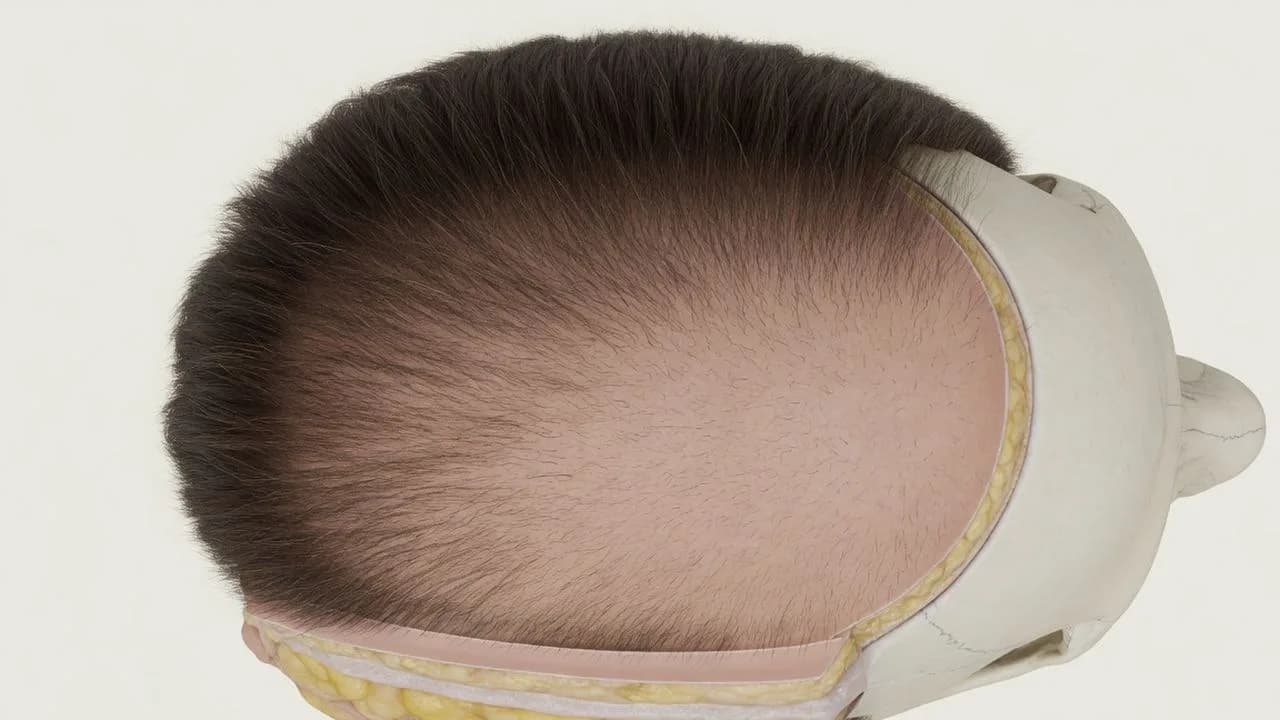
Male pattern baldness is a type of hair loss and thinning that is common in adult males. It is very common, affecting almost half of all males over 40 years of age, which is a population figure rather than a prediction about any one person.
Hair loss sits inside a wider category of appearance-related medicine in Australia, and treatments for it range from topical products a pharmacist can discuss through to surgery. The cosmetic surgery category collects the procedures that sit at the surgical end of that range.
Two things follow from the condition being common. The first is that a great deal is written about it by people selling something. The second is that being common tells you nothing about whether any particular treatment suits you, which is a clinical question and not a statistical one.
What Causes Male Pattern Baldness?
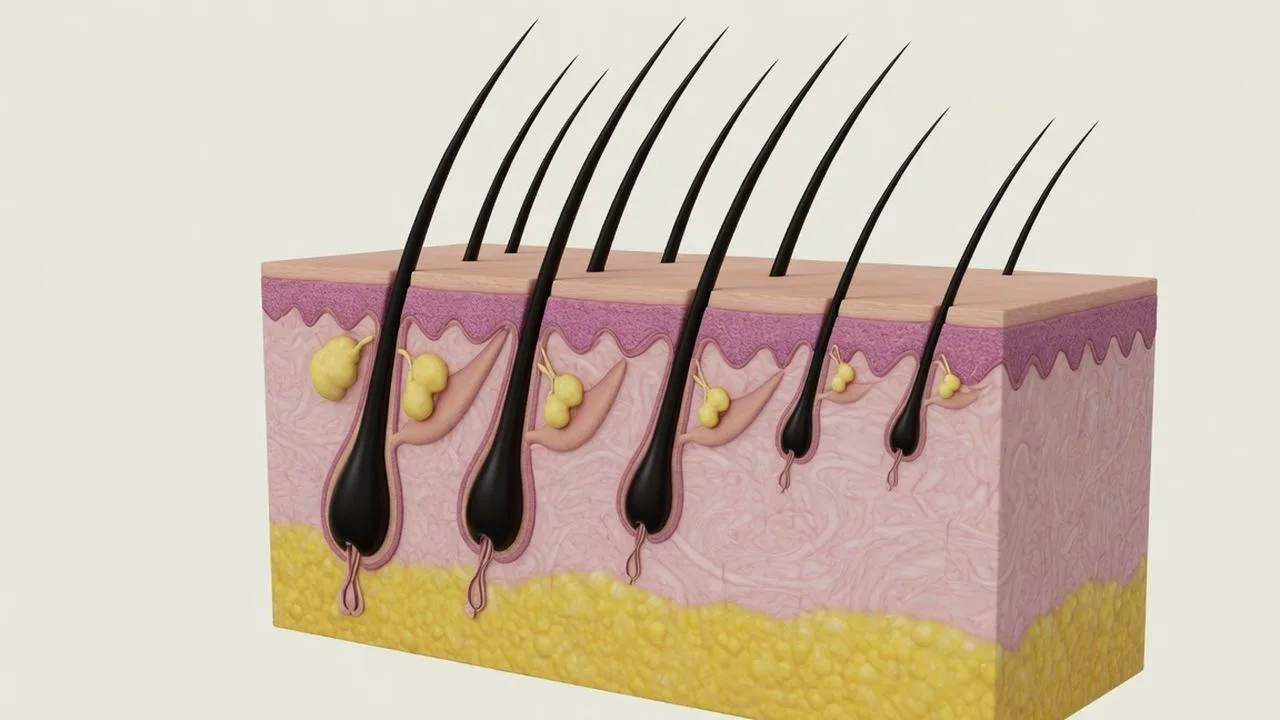
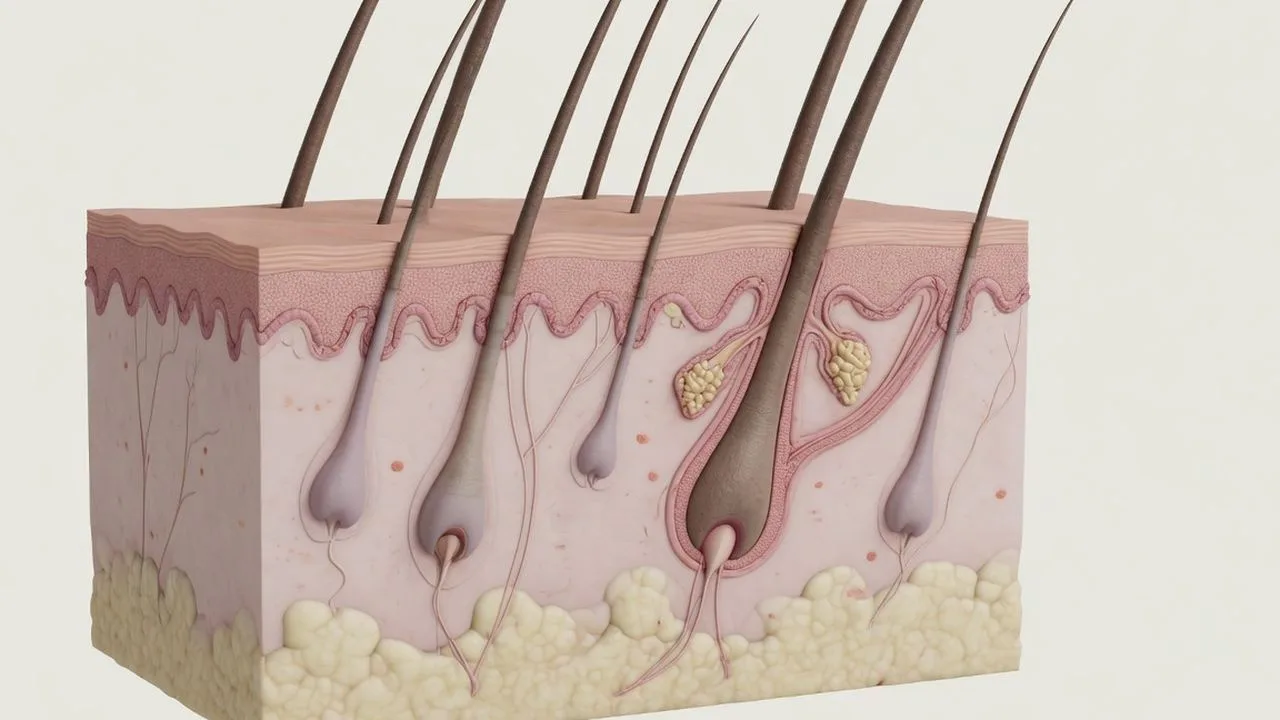
Male pattern hair loss is an inherited condition that affects how some of the hair on the scalp responds to certain male hormones. In male pattern balding, hair follicles become more sensitive to some male hormones.
How Is Male Pattern Baldness Diagnosed?
A doctor can diagnose male pattern baldness by asking about general health, hair loss and family history, then examining the head and scalp. Most people do not need special tests, although a doctor may arrange further assessment when another cause of hair loss is being considered.
Family history is part of the diagnosis because male pattern baldness is inherited.
If your hair loss does not fit this pattern, your doctor will look into other explanations before settling on a diagnosis.
A doctor is the person who works out whether hair loss in front of them fits this pattern or something else, and that assessment is the reason to start with a consultation rather than a product.
How Is Male Pattern Baldness Different from Female Pattern Baldness?
Both conditions involve hair follicles responding differently to hormones, but they are classified and treated as separate conditions. Female pattern hair loss describes hair loss and hair thinning in females, and occurs when hair follicles are more sensitive to the effects of androgen hormones.
The clinical description of the female condition is more specific. Female pattern hair loss is a non-scarring alopecia in which thick, pigmented hair is progressively transformed into short, thin, non-pigmented hair. Almost half of all females show signs of hair loss by the age of 50, again as a population figure and not a personal forecast.
| Feature | Male pattern baldness | Female pattern hair loss |
|---|---|---|
| Who it affects | Adult males | Females |
| Hormonal mechanism | Follicles become more sensitive to some male hormones | Follicles are more sensitive to the effects of androgen hormones |
| How it is classified clinically | An inherited condition affecting how scalp hair responds to certain male hormones | A non-scarring alopecia in which thick, pigmented hair is progressively transformed into short, thin, non-pigmented hair |
| Population figure | Almost half of all males over 40 years of age | Almost half of all females show signs by the age of 50 |
When Should You See a Doctor About Hair Loss?
Talk to your doctor if hair loss is causing you worry or distress. Distress is a reason on its own, and it does not need to be paired with a medical complication before it counts.
A doctor is also the practical starting point if the research eventually leads toward a procedure. NSW Health states that it is advisable to be referred to a medical practitioner by your GP, as a general practitioner is likely to have knowledge of experienced practitioners skilled in the procedure to be undertaken.
That order matters for two reasons:
- Assessment comes before options. A doctor looks at what is causing the loss before anyone discusses what to do about it.
- A GP knows the local field. A general practitioner is likely to have knowledge of experienced practitioners skilled in the procedure to be undertaken.
What Are the Non-Surgical Treatment Options for Male Pattern Baldness?
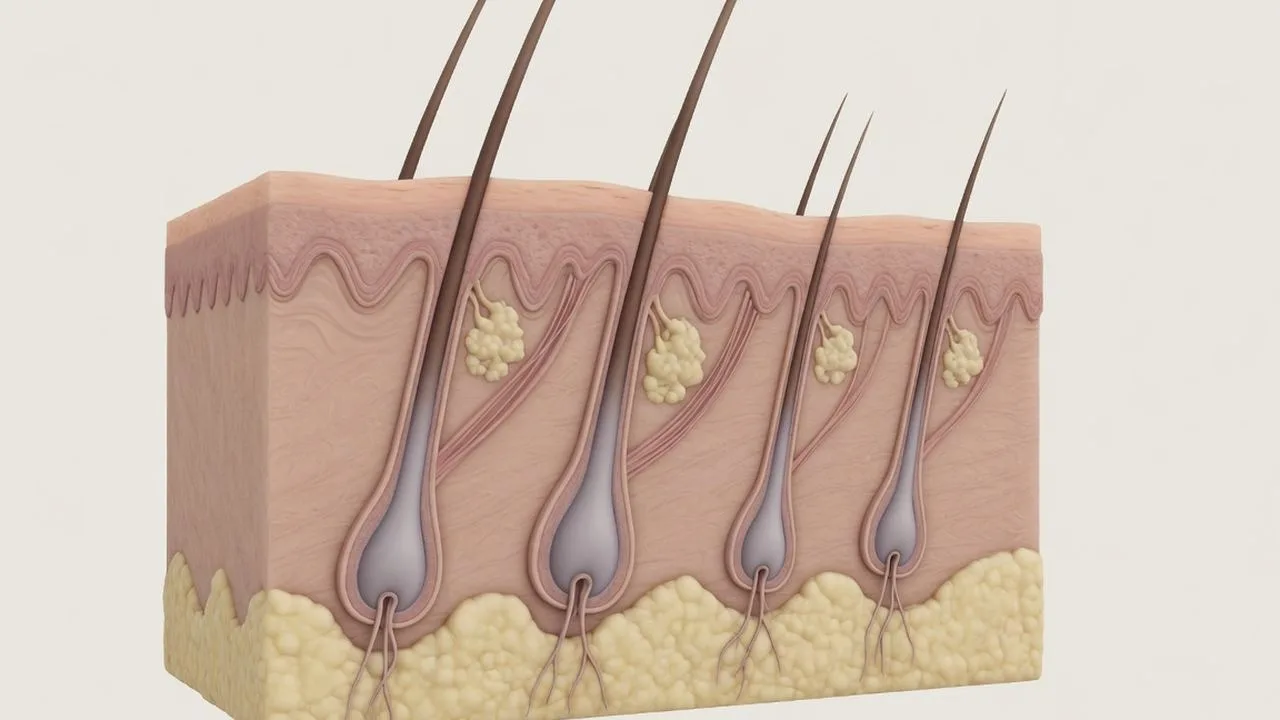
Non-surgical options include topical treatments applied to the scalp and prescription tablets, and these are also the hair transplant alternatives people weigh up before considering surgery. No current treatment will cure the condition, and the goal of treatment is to prevent further loss of hair, although some individuals may have new hair growth.
Two features of these treatments shape how you experience them. Expect to wait months, generally six to twelve, before you can judge whether it is working. Treatment needs to be continued daily, and if it is discontinued the treatment effect will be lost.
Minoxidil (topical and oral)
Minoxidil is a liquid solution or foam applied daily to areas of the scalp affected by hair loss. The Australian Journal of General Practice reports that topical 5% minoxidil solution is associated with contact dermatitis and subsequent scalp pruritus, at 19%, as well as hypertrichosis, at 4%, after 24 weeks of use. The same journal reports that oral minoxidil 1 mg carries a higher risk of hypertrichosis, at 27%, and a risk of limb oedema, at 4%.
Patients should be informed of these side effects and warned of the potential for initial hair loss as minoxidil moves follicles into the growth phase. That initial shedding surprises people who have not been warned, which is one reason to hear about it from a prescriber before starting rather than from a forum afterwards.
Finasteride and dutasteride
Finasteride and dutasteride are daily tablets that lower hormones causing male pattern baldness, and finasteride may cause mental health problems or sexual dysfunction in some people. The Australian Journal of General Practice reports that finasteride use is associated with a 2.22-fold increased risk of erectile dysfunction, with a 95% confidence interval of 1.03 to 4.78, and this is a matter to discuss with a treating practitioner.
There is also a fertility dimension that a prescriber should raise. Finasteride leads to mildly impaired sperm parameters, which improve when the medication is ceased in 57% of cases, and patients must be asked if they are hoping to conceive in the future. If nobody has asked you that question, it is a reasonable thing to raise yourself.
Options sometimes used for female pattern hair loss
People often research this on behalf of a partner or a family member, so the female pathway is worth knowing in outline. For female pattern hair loss a doctor might suggest minoxidil for the scalp or prescribe anti-androgen tablets such as spironolactone or cyproterone acetate.
Female pattern hair loss occurs when hair follicles are more sensitive to the effects of androgen hormones, which is why the anti-androgen option appears here and not in the male pathway above. Which option a doctor suggests is a clinical decision made in consultation, not something to be settled from reading.
When Is a Hair Transplant Discussion Appropriate?
Hair transplantation or replacement surgery is a treatment option for people concerned about thinning hair or baldness, and it moves hair from areas where hair still grows to areas affected by hair loss. Hair transplantation is not suitable for all people with hair loss, and whether it is appropriate is a matter for the treating practitioner to assess, including whether you have enough healthy hair to use as a donor. Who the procedure suits, and the full procedure journey from consultation onward, are set out in the hair transplant in Australia guide.
What Happens During and After a Hair Transplant?
Your surgeon or the medical clinic will provide you with detailed instructions on how to prepare for the surgery. Your surgeon will give you instructions, including when any stitches will need to be removed and when you can wash your hair. Multiple transplant sessions are usually needed. Complications that may occur following hair transplant surgery include excessive bleeding, infections and thick scars on the scalp, and these are matters to raise with the treating practitioner before agreeing to surgery. The stage-by-stage account of the operation and the recovery period is covered in the hair transplant in Australia guide.
What Are the Risks and Limitations to Weigh Up?
Cosmetic procedures carry risks, and these include problems related to anaesthesia and surgery, excessive bleeding, infection, scarring and failure to heal, which are matters to ask the treating practitioner about. Outcomes vary as well: some people find that their hair grows more slowly than expected after hair transplant surgery, and some people find that the operation does not work. Neither Better Health Channel nor Healthdirect publishes a rate for how often any of this happens.
Two facts about the procedure shape expectations before anyone books. You will usually have a local anaesthetic and sedation, and if the surgery planned for you is complicated you might be given a general anaesthetic. You might have discomfort after the procedure, such as a tight feeling, swelling or aching of the scalp.
| Question area | What to clarify before proceeding |
|---|---|
| Procedure team | Who is responsible for assessment, planning and each stage of the procedure |
| Written plan | The proposed procedure, expected scope, follow-up pathway and document handover |
| Risk discussion | Personal risks, benefits, alternatives and when to seek help |
| Quote scope | Inclusions, exclusions, potential additional costs and cancellation terms |
| Aftercare | Contact arrangements and continuity of care after the procedure, including out of hours |
How Do You Choose a Safe and Qualified Provider?
Check the individual practitioner, not the clinic brand. You can search the national register of practitioners by name to check whether the individual doctor who would perform your procedure is registered and qualified, which matters more than the clinic brand. A register entry confirms registration and qualification, and it does not confirm a practitioner's skill, experience or the quality of their outcomes.
Titles are where a lot of confusion sits. Doctors are not allowed to use the title surgeon, for example cosmetic surgeon, unless they hold specialist registration, and the register will also show whether a doctor is facing serious disciplinary action. NSW Health states that cosmetic surgery is not a recognised specialty in Australia and that the title cosmetic surgeon is not protected under the Health Practitioner Regulation National Law. Healthdirect advises making sure cosmetic surgery is performed by qualified surgeons in properly accredited facilities.
Consent is the other half of vetting a provider:
- You have a right to be informed. You have the right to be told about the possible benefits and risks of different tests and treatments and to agree to treatment only after you have all the information you need, which is called informed consent.
- The provider owes you detail before the day. Your provider should give you detailed information about what is involved and the possible risks before a cosmetic procedure.
- A consent form and time to think should be offered. NSW Health states that you should be offered a consent form advising of possible risks and a cooling off period to consider whether to proceed.
- The cooling off period follows the first consultation. The Better Health Channel states that you should have a cooling off period after attending your first consultation.
Doctors are not allowed to use the title surgeon without specialist registration, so a clinic that leans on an unregistered title in its marketing is telling you something useful before you ever walk in.
What Are Your Rights and How Do You Raise a Concern?
If you feel your rights have been denied or you did not get the best care you can make a complaint, and it is a good idea to speak to the health professional first, while concerns about a practitioner's behaviour can be taken to the Australian Health Practitioner Regulation Agency and each state and territory has its own health complaints body. The Better Health Channel advises raising your concern with your doctor directly, or with the healthcare service they work for, as a first step.
Beyond the treating provider, the pathway depends on the concern and on where you live:
- Quality or outcome concerns after cosmetic surgery. Healthdirect directs you to the Australian Health Practitioner Regulation Agency cosmetic surgery hotline.
- Concerns about a practitioner's behaviour. These can be taken to the Australian Health Practitioner Regulation Agency, and each state and territory has its own health complaints body.
- In New South Wales. NSW Health states that complaints concerning the quality of cosmetic procedures can be referred to the Health Care Complaints Commission.
What Affects the Cost of Treatment for Male Pattern Baldness?
What you pay for hair loss treatment turns on how much work is involved and who does it, and the drivers differ sharply between a daily topical treatment and surgery. Current prices are set out on the hair transplant cost Australia page, with the technique-specific figures on the FUE hair transplant cost Australia page.
The things that move the out-of-pocket for this procedure:
- The scope of the area being treated, since a small frontal area and a broad crown are different amounts of work.
- The technique the practitioner selects, which is their clinical choice from a range of surgical options and sometimes a combination of them.
- The practitioner performing it and their registration and experience, which you can check on the national register by name.
- Whether it is done in a clinic or a hospital, and whether anaesthetic and facility fees are billed separately from the practitioner's fee.
- Follow-up appointments and the number of sessions, given that multiple transplant sessions are usually needed.
- Ongoing non-surgical treatment alongside or instead of surgery, which continues daily and stops working once discontinued.
To compare two written quotes properly, check that each one itemises the practitioner's fee, the anaesthetic and facility fees, the number of sessions the quote covers, what happens if further sessions are needed, the follow-up appointments included, and the cancellation terms. Whether Medicare rebates apply to any part of it depends on the clinical circumstances, and that question is answered on the hair transplant and Medicare page and, for the technique-specific question, on Is Hair Transplant Fue Covered by Medicare.