Being told yours need to come out raises two separate questions for you: what the removal itself feels like, and which symptoms afterwards mean something has gone wrong. Preparation is the part you have the most control over.
The gap that catches people out is not knowing which symptoms are expected and which are a reason to pick up the phone. The Wisdom teeth removal guide sets out the wider decision, from the first x-ray through to follow-up. This page is general information only and is not medical advice.
Is Wisdom Teeth Removal Painful in Australia?
An anaesthetic controls pain during removal, and conscious sedation or general anaesthesia may also be offered. Afterwards, some soreness, swelling and light bleeding for a few days is normal, and your dentist can advise if that gets worse.
The honest answer therefore splits in two for you. What happens during the removal is an anaesthetic question, settled with your practitioner before anything starts. What happens over the following days is a healing question, and that is where soreness and swelling sit.
If nobody has walked you through the anaesthetic plan, ask for it, and ask what you should expect to feel once the numbness wears off.
What Are Wisdom Teeth and Why Might They Need Removal?
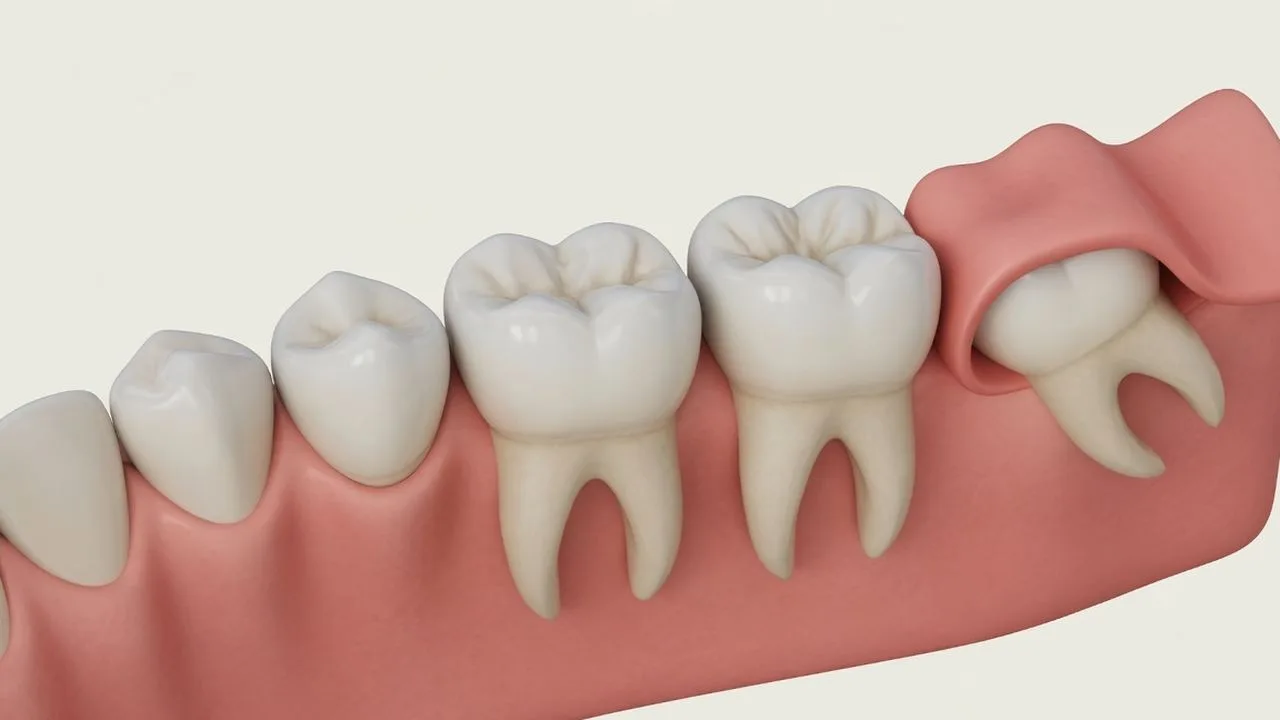
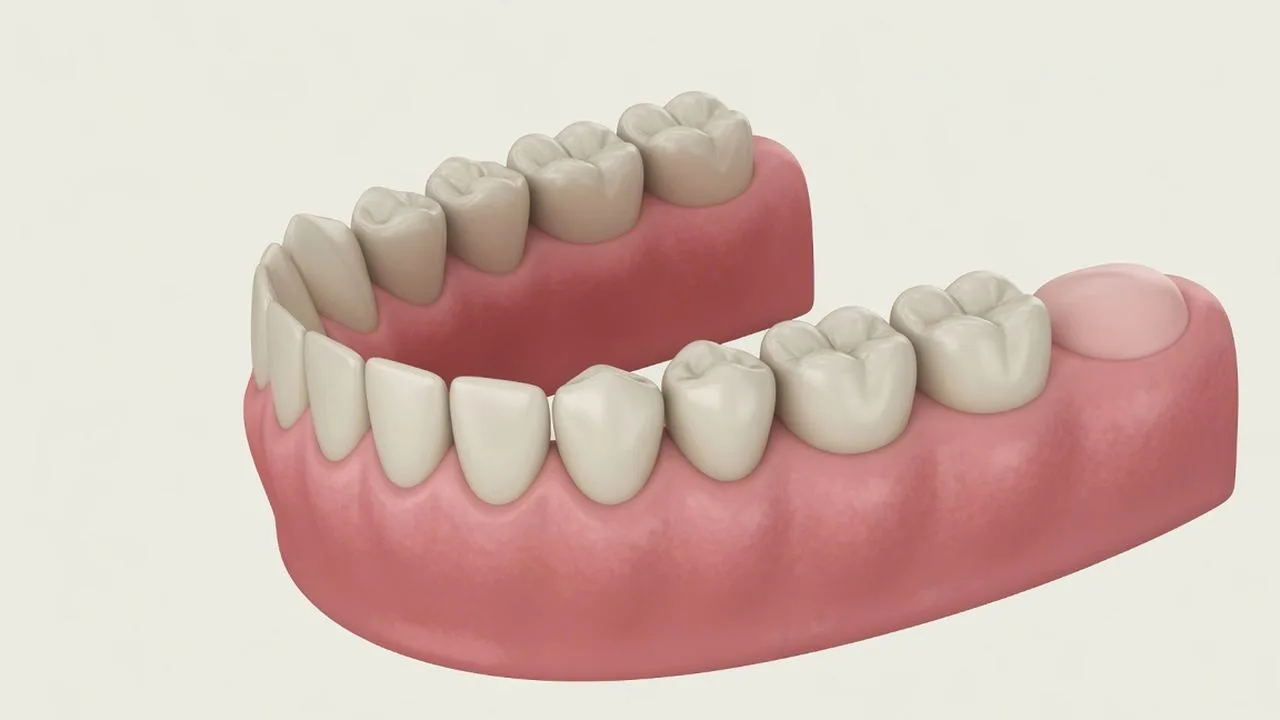
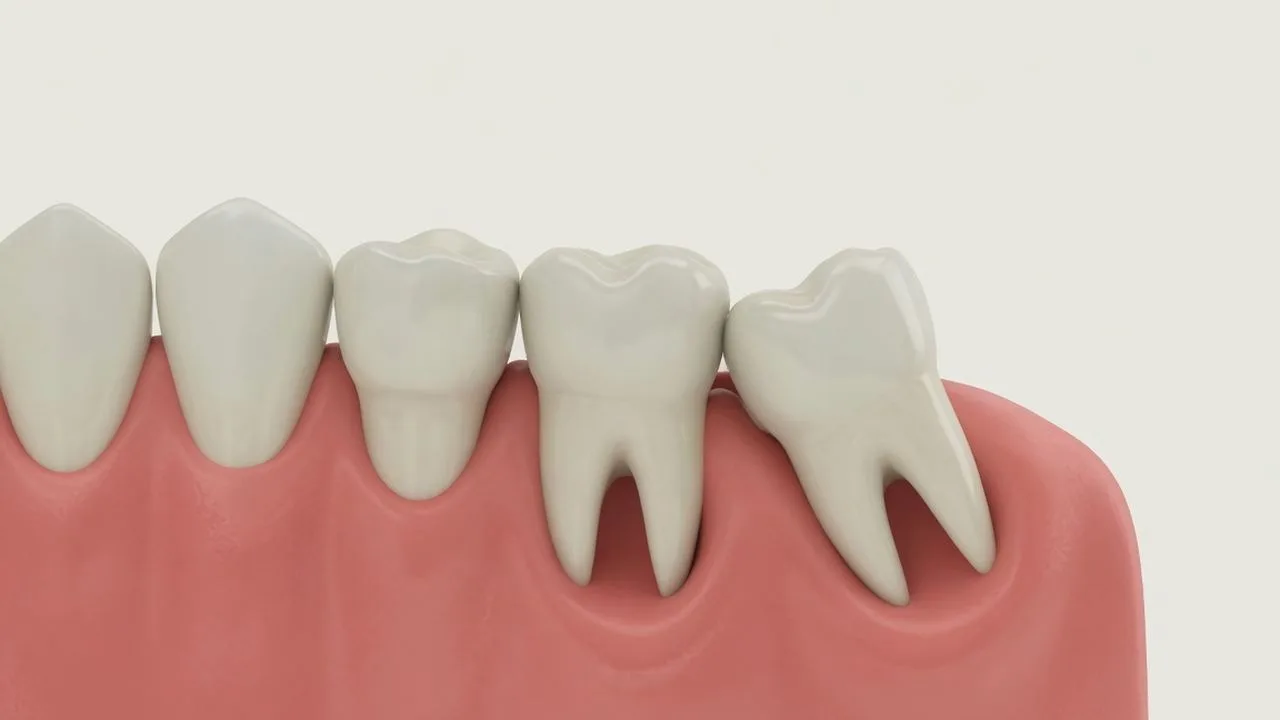
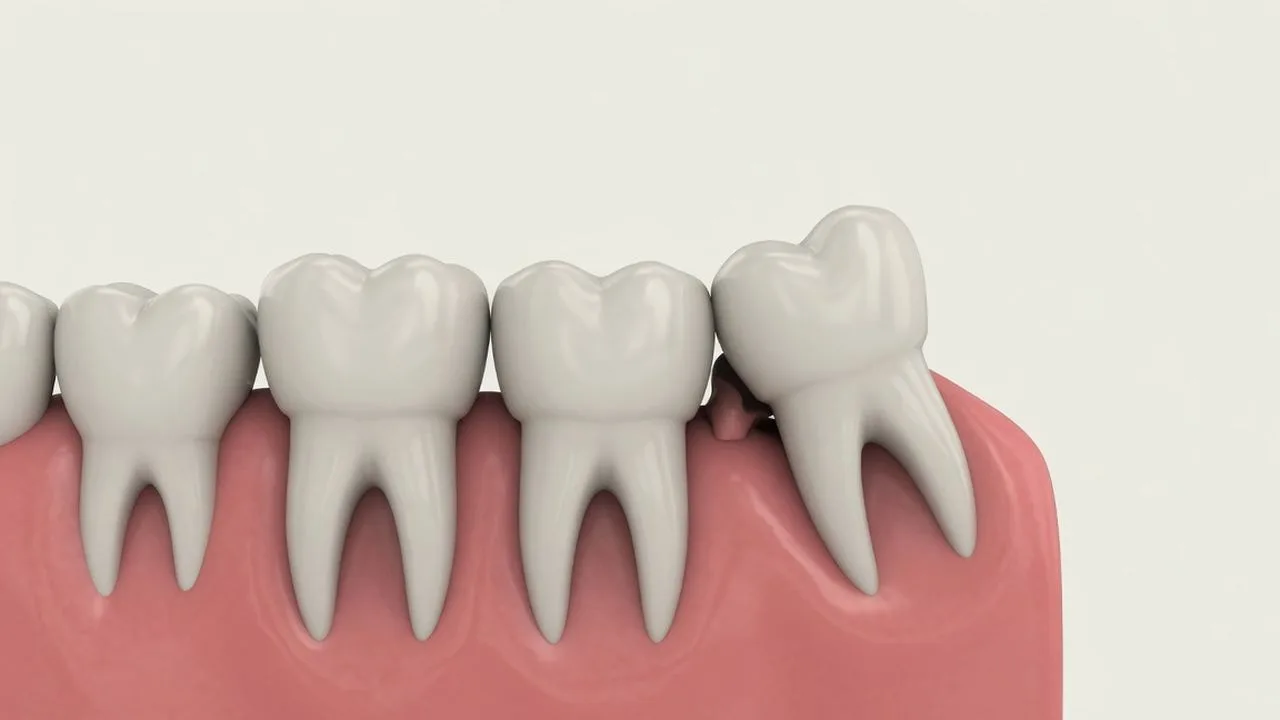
Wisdom teeth are often impacted because most people do not have enough space in their jaws for the teeth to easily push through the gums. Sometimes they come through at an angle and push into the gum or the tooth beside them, which is what impaction means. Food and bacteria can get stuck between a wisdom tooth and the tooth next to it, which can lead to tooth decay and to gum infections called pericoronitis.
A dental professional may recommend removal if there is not enough room for your wisdom teeth to come through properly, or if you are experiencing pain, infection or damage to adjacent teeth. Other listed reasons for extraction include a tooth at risk of decay or gum disease, one already affected by decay or disease, one causing recurrent gum infections, or one associated with cysts.
Do All Impacted Wisdom Teeth Need to Come Out?
The evidence does not settle it either way. A Cochrane systematic review published in 2020 concluded that insufficient evidence is available to determine whether asymptomatic disease-free impacted wisdom teeth should be removed or retained. The same review notes that where those teeth are kept, clinical assessment at regular intervals to prevent undesirable outcomes is advisable.
Two limits matter for you. The finding covers wisdom teeth causing no symptoms and showing no disease, so it says nothing about a tooth that is painful, infected or damaging the tooth beside it. Whether a wisdom tooth should be removed is a matter for the treating practitioner. If the plan is to keep yours under review, ask how often, because the review sets no interval.
How Painful Is Wisdom Teeth Removal by Anaesthetic Type?
Most upper wisdom teeth can be removed under a local anaesthetic, while lower wisdom teeth can be more difficult to remove. If the procedure is likely to be difficult, your surgeon may offer you a sedative.
| Option | What it involves | What to clarify with your practitioner |
|---|---|---|
| Local anaesthetic | The tooth is numbed so you do not feel pain while it is removed | Which teeth are planned under local, given lower teeth can be harder to remove |
| Conscious sedation | Listed as an option that may be offered | What being sedated involves on the day, and who monitors you throughout |
| General anaesthetic | Medicines make you unconscious so you will not feel pain, move or be aware during surgery | Whether the removal moves to a hospital, and who manages the anaesthetic |
A tooth extraction is done either under local anaesthetic at a dentist's practice or under general anaesthetic in hospital. The specially trained doctor who manages a general anaesthetic is called an anaesthetist. Which option applies is a clinical decision, so ask what is being proposed for you and on what grounds.
How Do You Prepare for Wisdom Teeth Removal?
Before an extraction the dentist will look at the affected tooth and the gums around it, check your medical history and take dental x-rays. That appointment is where most of the preparation happens for you: what comes out, who does it, what anaesthetic is proposed and what you will be charged are all settled before the day.
Before your appointment
It is important to tell your anaesthetist about any medicines you take before a procedure. That means everything you take, and it is a conversation about your history rather than an instruction to change anything.
Informed consent means you agree to treatment only after the risks and the likelihood of those risks, the benefits, the reason for the treatment and each of the choices available to you have been explained to you. Signing a form does not replace that conversation, and you are still owed it.
Wisdom teeth can be removed by a general dentist or by a dental specialist such as an oral surgeon or a maxillofacial surgeon. A case may also need to be referred to an oral and maxillofacial surgeon, which is a clinical matter for the treating practitioner.
On the day
You will need to fast before a general anaesthetic so there is no food in your stomach that could come up and be inhaled during surgery.
Plan how you are going to get to your procedure and get home, and ask a family member or friend to take you home. You have the right to know all the risks that may happen with your procedure, and you can ask your dentist or surgeon any question about it. You can also ask what happens if you choose not to have the surgery, and whether the health issue may get better without it.
What Are the Physical Steps of Wisdom Teeth Removal?
Removing a wisdom tooth may involve a cut in the gum close to the tooth, and in some cases the dentist or surgeon will take some bone around the tooth away with a drill and the tooth may be cut into smaller pieces. After the tooth has been removed the dentist makes sure the gum socket is clean, and you bite down on a piece of gauze to stop the bleeding.
Removal is not the only thing on the table for you. Surgical alternatives listed for wisdom teeth include an operculectomy, which removes the gum lying over the tooth, and a coronectomy, which removes just the crown of the tooth, while non-surgical options can include painkillers and antibiotics. Asking which of those were considered, and why they were set aside, is a fair question at the planning stage.
What Does Recovery Look Like?
You should be able to go home the same day, and most people make a full recovery. Advice after the procedure is to try to leave the wound alone for 1 to 2 days, and you may need to take up to a week off work, with most people able to return to normal activities within a week. After a general anaesthetic you cannot drive for 48 hours, and sports and exercise should be avoided after the extraction.
Those are general patterns rather than a schedule for one person. Work out before the day who is driving you home, and whether lighter duties are something you need to arrange with an employer.
What Are the Side Effects and Risks of Wisdom Teeth Removal?
General complications listed for this operation include bleeding after the procedure, swelling, an allergic reaction to the equipment, materials or medication, chest infection and infection. That is a record of what has been reported, and no rate is attached to any item on it.
- Nerve damage to the lip and tongue. Damage to nerves that connect to the lip and tongue is a listed complication of removing a lower wisdom tooth, and recovery can take up to 18 months.
- Jaw movement. Not being able to open your mouth fully, known as trismus, and jaw stiffness are both listed complications.
- Damage in and around the socket. Bruising, damage to nearby teeth, retained roots, sinus problems, breaking the bone behind the wisdom tooth and a broken jaw are also listed.
- Osteonecrosis. It is a rare listed complication where tissue in the jawbone starts to die and stops the tooth socket healing properly.
Where a general anaesthetic is used it carries its own side effects, which can include nausea, vomiting, dizziness, headache, tiredness, shivering, sore throat and dry lips, and listed serious complications include damage to teeth, allergic reaction, chest infection and, rarely, more serious outcomes.
Settle these five areas before you agree to anything.
| Question area | What to clarify before proceeding |
|---|---|
| Procedure team | Who assesses you, who removes the teeth and who manages the anaesthetic |
| Written plan | Which teeth are coming out, the anaesthetic proposed, the follow-up pathway and who holds your records |
| Risk discussion | Your personal risks, the benefits, the alternatives considered and when to seek help |
| Quote scope | What is included, what is excluded, what could add to the bill, and the cancellation terms |
| Aftercare | Who you contact after the extraction, including out of hours, and who provides continuity of care |
What Is Dry Socket and How Common Is It?
Dry socket, also called alveolar osteitis, is a painful condition that can happen after a tooth is removed, where the blood clot that should protect the underlying bone and nerve is removed or does not form well and the bone and nerve are exposed. Healthdirect states that dry socket is common and occurs in about 1 in 20 tooth extractions.
- Severe, ongoing throbbing pain sets in within 1 to 3 days of the extraction.
- Bad breath and an unpleasant taste in the mouth develop.
- A slight fever may be present.
- Exposed bone may be visible in the socket instead of a dark blood clot.
Factors listed as making it more likely include smoking, having had dry socket before, a difficult extraction, oral contraceptive use, poor dental hygiene and extraction of a lower jaw tooth, especially a wisdom or molar tooth. That list describes patterns across many extractions, and none of it is a reason to change a medicine you take.
If dry socket develops, treatment by the dentist involves flushing debris from the socket, applying a medicated dressing in the socket and providing pain relief medicines. It is treated in the chair, so pain of that kind means booking back in.
When Should You Contact Your Dentist After Wisdom Teeth Removal?
Contact your dentist if after an extraction you have ongoing severe pain, a lot of bleeding, a fever with a temperature over 38 degrees Celsius, or swelling that does not go down or gets worse.
Signs that may indicate infection after a wisdom tooth is removed include a red, inflamed gum near the wisdom tooth, facial swelling, pain, pus, swollen lymph nodes, difficulty swallowing, fever and bad breath.
None of that is a wait-and-see set of symptoms for you. Call the practice that did the extraction, or an urgent care service if the practice is closed.
What Are Your Rights if Something Goes Wrong?
If something goes wrong with your care, healthcare providers should explain what happened, how it may affect you and what steps are being taken to keep you safe.
If you have a concern about your care it is a good idea to speak to the health professional first, each state and territory has a health complaints commissioner or commission you can contact, and you can contact the Australian Health Practitioner Regulation Agency if you are concerned about the behaviour of a health practitioner. In New South Wales that body is the Health Care Complaints Commission, an independent body set up under the Health Care Complaints Act 1993 that acts to protect public health and safety by resolving, investigating and prosecuting complaints about health care. Other states and territories have their own equivalent bodies.
You have the right to give feedback, to make a complaint without it affecting how you are treated, and to share what has happened to you to help improve health services.
What Determines the Cost of Wisdom Teeth Removal?
- Where the removal happens. Wisdom teeth can be removed in a dental clinic or in a hospital.
- Who carries it out. Whether a general dentist or a specialist such as an oral or maxillofacial surgeon does the work affects the fee.
- The anaesthetic. Whether it's local anaesthetic, conscious sedation or a general anaesthetic changes who is in the room and how the fee is structured.
- How much work each tooth takes. A straightforward extraction costs less than one needing bone removal or the tooth split into pieces to get it out.
- How many teeth come out at once, and whether the review visit, follow-up x-rays and removal of stitches sit inside the quoted figure or outside it.
Ask for the quote in writing with each of those broken out, and with the name of whoever is billing you for each part. Current prices, and whether Medicare covers this procedure, are on the Wisdom teeth removal cost and Wisdom teeth removal and Medicare pages. Fees for other procedures follow the same shape across Dentistry.