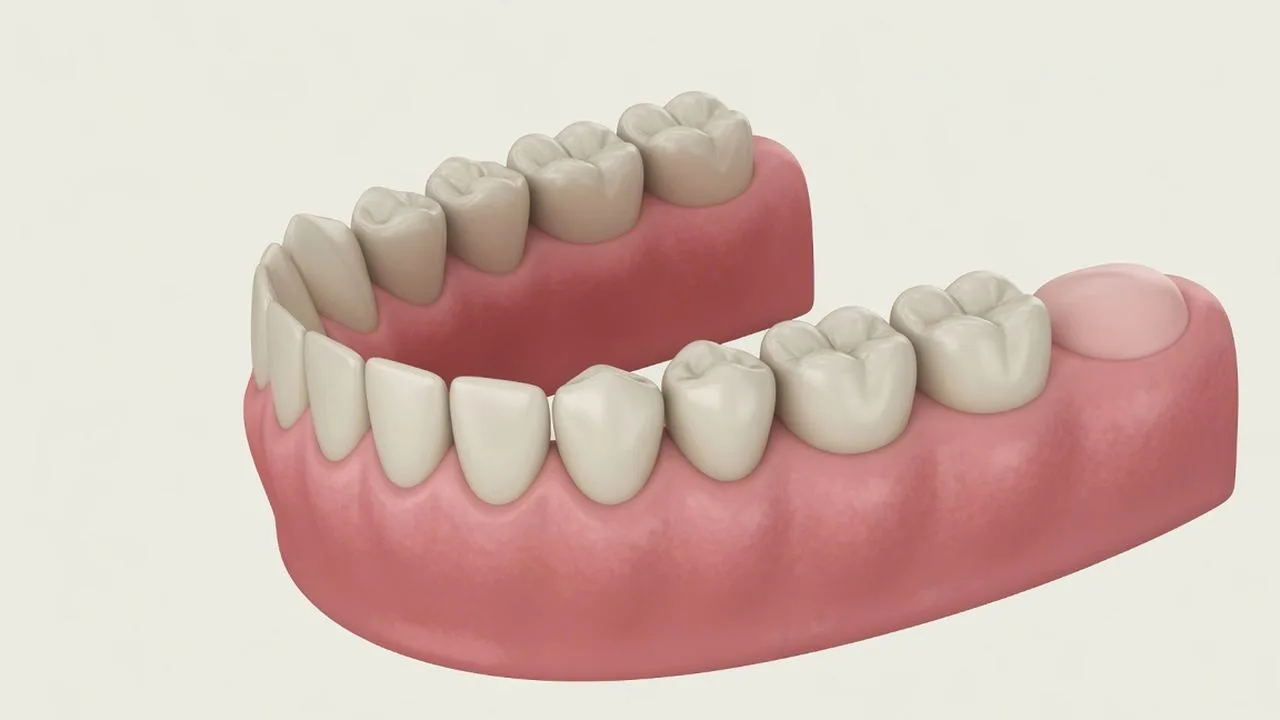
What Are Wisdom Teeth and Why Do They Become Impacted?
They are the third adult molars, at the very back, and usually the last teeth to appear. You can have up to four. Some only partly come through. Some never appear. Some people have none.
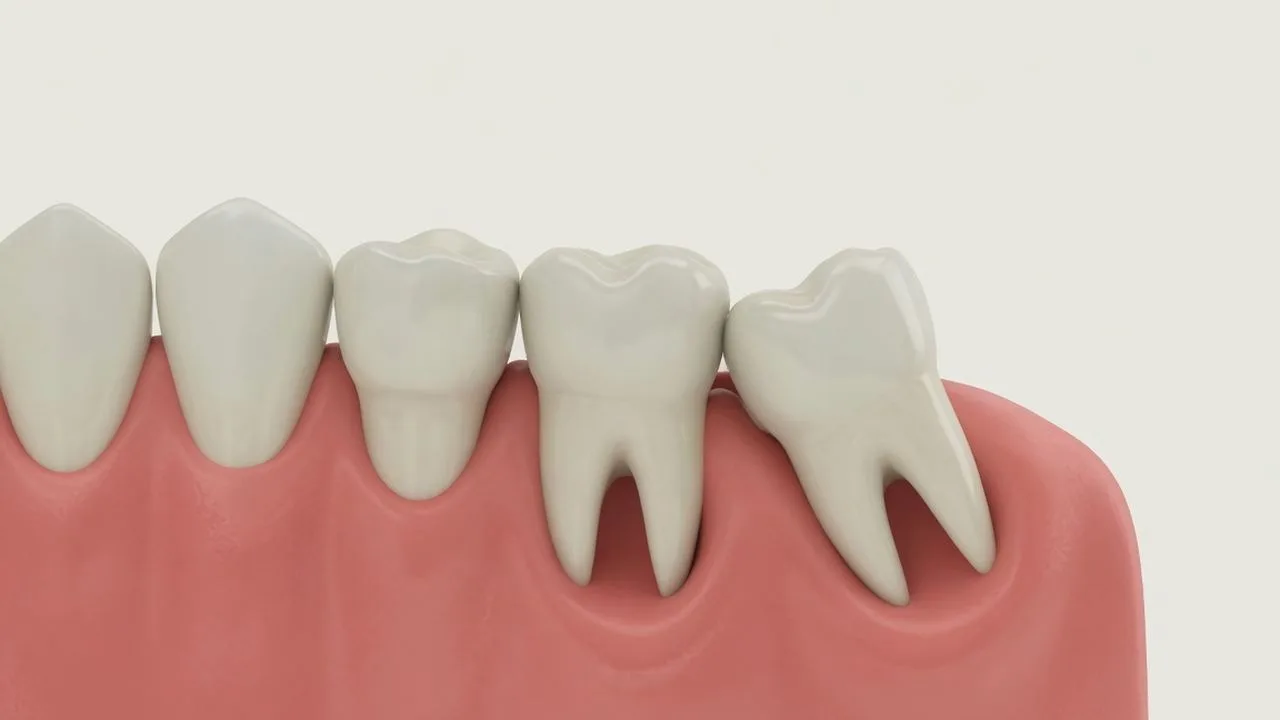
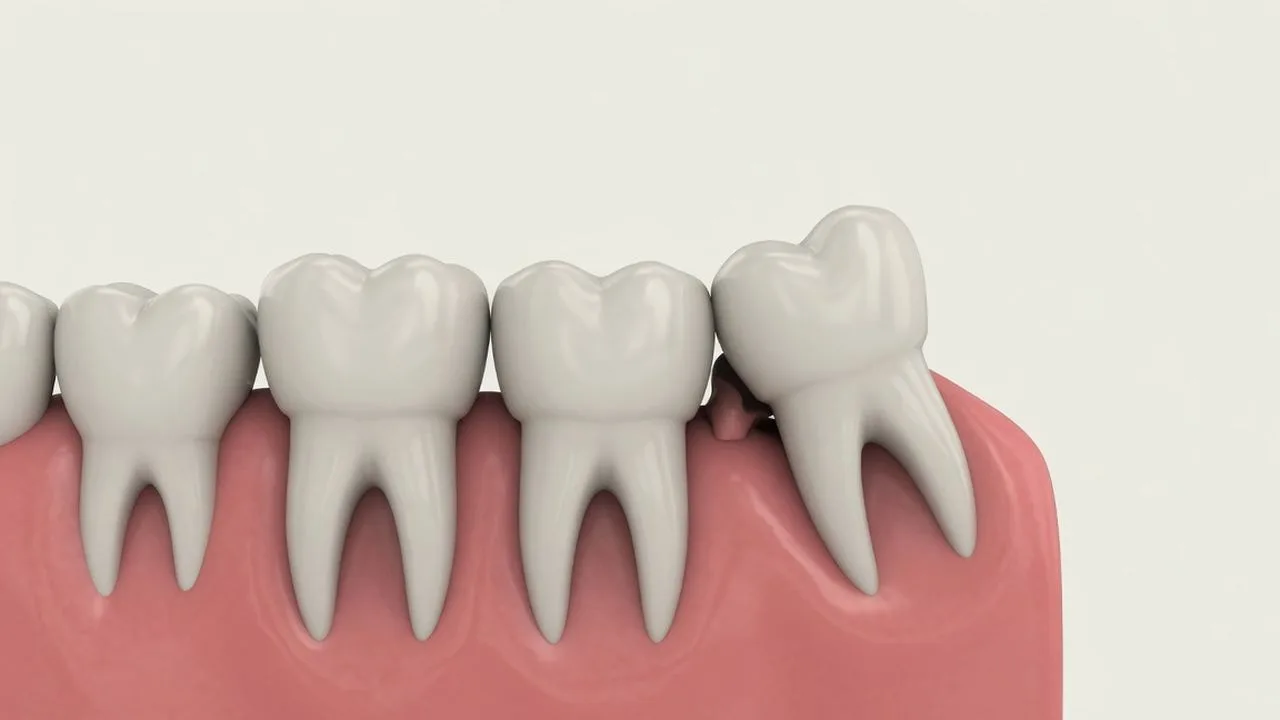
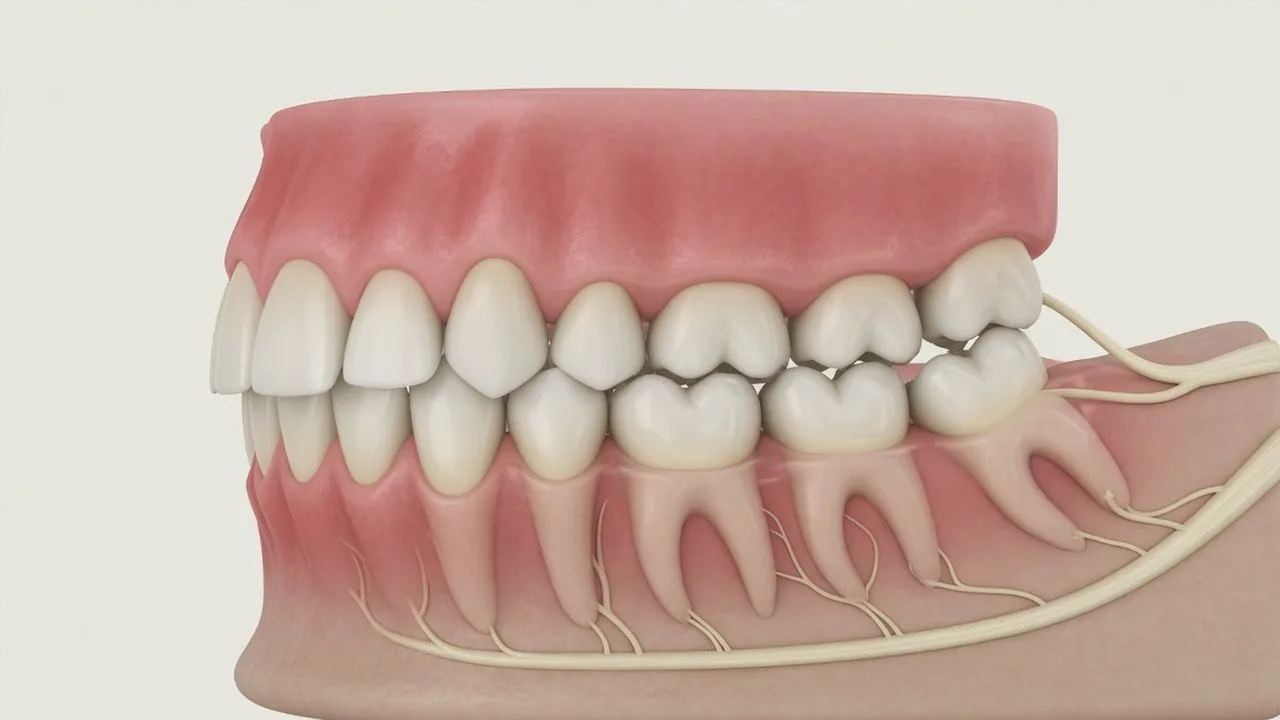
Impacted means something is stopping the tooth from pushing all the way into the mouth. It may sit under the gum, or only a small part may show. The Australian Dental Association notes that many people do not have enough jaw space, and that a tooth can sit on an angle and bump the tooth in front. Lower wisdom teeth take longer to come through and are more likely to be impacted, which makes repeated infections more likely.
A flap of gum over a partly erupted tooth is hard to clean. Food and bacteria collect there, which can inflame the gum (pericoronitis) and lead to decay.
Do Wisdom Teeth Always Need to Be Removed?
No. Not all wisdom teeth cause problems or need to be taken out. X-rays help the dentist decide.
There is currently no evidence that wisdom teeth make your other teeth crooked, even though the pressure can feel that way.
Signs a Wisdom Tooth May Need Treatment
Healthdirect lists removal when there is repeated or serious gum infection, decay, a tooth growing out too far and damaging the cheek or gum, a position that is hard to clean, a cyst or other jaw problem, planned jaw surgery, orthodontic space, or a tooth sitting in the line of a jaw fracture.
The ADA adds that an impacted tooth can also mean ulcers, food trapping, and decay on the wisdom tooth or on the tooth in front that it is butting into.
Gum infection around a wisdom tooth can show as red, inflamed gum, facial swelling, pain, pus, swollen lymph nodes, difficulty opening the mouth and swallowing, fever, food getting stuck, and bad breath. If you think the tooth is getting infected, or the pain or swelling is severe, make an emergency dental appointment.
If you delay a needed extraction, symptoms can get worse or come back, and a serious infection is possible. That is not the same as taking every quiet wisdom tooth out.
Is Wisdom Teeth Removal Right for Me?
It depends on whether the tooth is causing trouble now, whether it is stuck, how close the roots sit to nerves, and how difficult the extraction is likely to be. Teeth that are causing problems, or are at high risk of doing so, are easier to remove at a younger age. The ADA says removal by around 25 is easier than later.
Watching with x-rays is reasonable when there are no symptoms.
| Situation | What the sources support |
|---|---|
| No symptoms, quiet x-ray | Watching can be reasonable. |
| Infection, decay, impaction | Removal is often discussed. |
| Younger adult | Removal is generally easier by around 25 if the tooth is a problem. |
- Ask how the x-ray and symptoms apply to you.
- Get the aftercare and escalation plan in writing.
How Dentists Assess Wisdom Teeth and X-Rays?
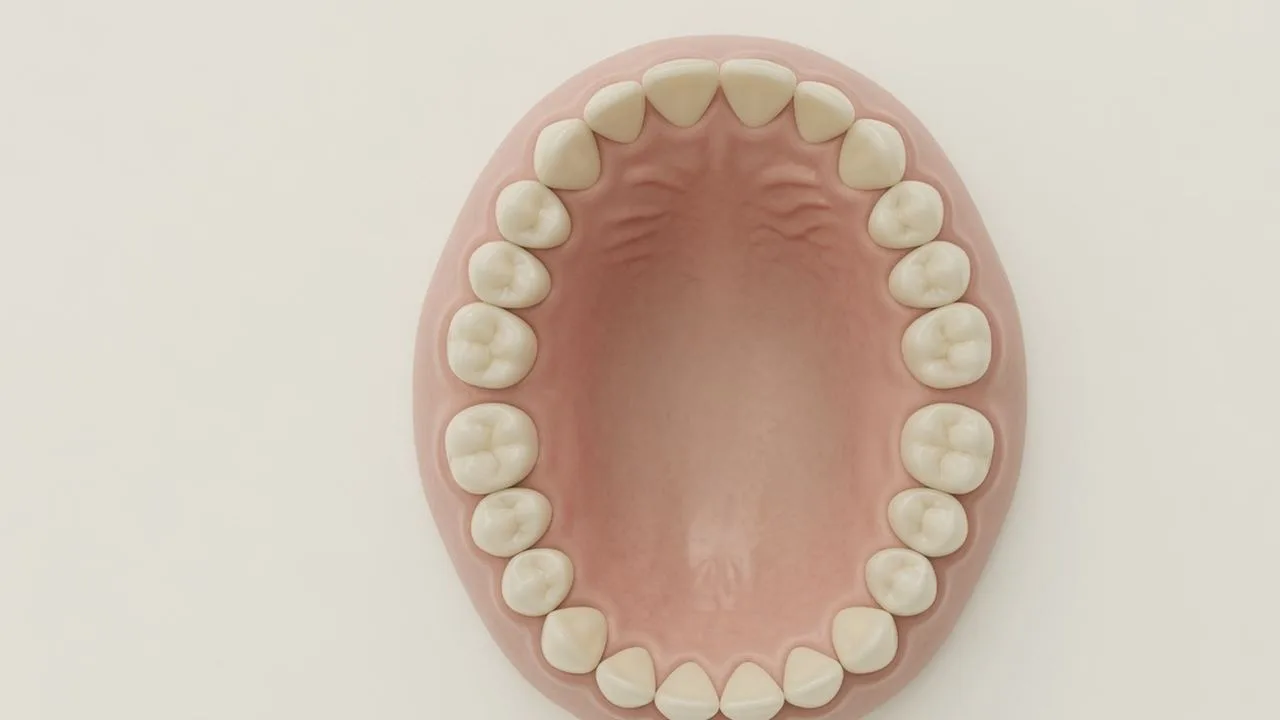
The dentist looks in your mouth. If the teeth are still under the gum, they may take an x-ray. That film shows position, the shape of the roots, and whether the tooth sits close to important structures such as nerves. If removal is planned, the x-ray is used to plan the work.
Tell the dentist if you take, or have ever taken, cancer medicine or bone medicine such as bisphosphonates. Those raise the risk of osteonecrosis, a rare condition in which jawbone tissue starts to die and the socket does not heal properly.
Local Anaesthetic, Sedation or General Anaesthetic for Wisdom Teeth Removal?
Most upper wisdom teeth can be taken out under local anaesthetic while you are awake. Lower ones can be harder. If the work looks difficult, a sedative may be offered. Deeply impacted teeth, or other medical reasons, may mean a general anaesthetic. Nitrous oxide (happy gas) is sometimes used. The ADA describes conscious sedation as medication that helps you relax and block pain. General anaesthesia is more common in hospitals than in dental clinics.
After a general anaesthetic you cannot drive for 48 hours. Arrange a lift.
Removal time depends on the tooth's position, the difficulty of the extraction and the anaesthetic plan. Ask the dentist what your appointment is likely to involve.
What Happens During Wisdom Teeth Removal?
The dentist or surgeon may cut the gum near the tooth, take away some bone with a drill, and section the tooth into pieces. The gum may be stitched. You should be able to go home the same day.
How Long Does Wisdom Teeth Removal Take?
Cambridge University Hospitals says some wisdom teeth take a few minutes to remove; a more difficult tooth that needs sectioning may take around 20 minutes. This is a single-tooth removal estimate, not total appointment or recovery time.
Leave the wound alone for 1 to 2 days. You may need up to a week off work, and usual activities should be back to normal within a week. The ADA says a few days off work may be needed depending on difficulty, and that sport and exercise are best avoided after any extraction. Sore, swollen gum and a little bleeding for a few days is normal.
Related: wisdom teeth recovery and aftercare timeline.
Wisdom Teeth Removal Recovery Timeline
Same day: home, numb mouth, protect the clot. For 1 to 2 days, leave the socket alone. After 24 hours, rinse with warm salty water after meals. Soft, easy-to-chew food for a few days. No smoking for 48 hours. Avoid alcohol and heavy activity. Most people make a full recovery.
What Pain, Swelling and Bleeding Is Normal After Wisdom Teeth Removal?
Jaw and gum that are sore, swollen and bleed a little for a few days is expected. Pain after the procedure is listed as a consequence of the work. If pain gets worse rather than settling, contact your dentist.
Dry Socket After Wisdom Teeth Removal: Signs and Risk Factors
Dry socket (alveolar osteitis) is when the blood clot in the hole does not form well or comes out, leaving bone and nerve exposed. That causes extreme pain and can lead to infection. It happens in about 1 in 20 extractions, more often with lower wisdom teeth.
The pain can be a severe, ongoing throb within 1 to 3 days of the extraction, and may run to the ear or eye on the same side. Other signs include bad breath, a slight fever, an unpleasant taste, swelling, and sometimes visible bone instead of a dark clot. Smoking, a previous dry socket, a difficult extraction, the pill, poorer cleaning, and a lower wisdom or molar extraction raise the chance.
Contact your dentist if pain is severe or getting worse; do not wait three weeks to seek advice. Dry socket can heal over a few weeks. Healthdirect also advises returning to a doctor or dentist if pain is still present after 3 weeks.
Numbness, Nerve Injury and Other Risks of Wisdom Teeth Removal
None of these complications has a published rate in Australian patient guidance, so ask your dentist how each one applies to your own extraction.
General risks include bleeding, swelling, allergic reaction, chest infection and infection. Specific risks include bruising, dry socket, a stiff jaw, a root left behind, damage to nearby teeth, sinus problems, a broken tuberosity behind the tooth, a broken jaw, and osteonecrosis. Upper teeth can leave an opening into the maxillary sinus.
Nerve feeling in the lip, chin or tongue can change after a lower tooth comes out, including taste. It is usually temporary. Full recovery can take up to 18 months.
Related reading: wisdom teeth preparation, pain and complications.
Wisdom Teeth Aftercare: Eating, Rinsing, Smoking and Straws
Avoid excessive rinsing, sucking through a straw or spitting in the early period, because that can stop a clot forming or lift one that has formed. Do not smoke for 48 hours. Hold warm salty water after meals, and not earlier than 24 hours. Eat soft food. Avoid alcohol and excessive physical activity. Your oral health professional will talk through mouth care.
When to Contact a Dentist Urgently After Wisdom Teeth Removal?
Make an emergency appointment for severe pain or swelling, or if you think the tooth is infecting. Contact the dentist if pain gets worse after an extraction. Facial swelling after extraction also needs a call.
Should a Dentist or an Oral and Maxillofacial Surgeon Remove Wisdom Teeth?
A dentist can take wisdom teeth out. Some people are referred to an oral maxillofacial surgeon with extra training in teeth, bones, jaws and face. Check the individual on the Ahpra public register, not the clinic brand. The register shows they may practise, and any conditions. It is not a skill badge for this extraction. Ask who gives the anaesthetic if you will be asleep.
Monitoring and Alternatives to Wisdom Teeth Removal
Mild pain can be managed with simple painkillers. An infected gum can be helped with rinsing and, sometimes, antibiotics. Two smaller operations exist: taking off the gum flap over the tooth (operculectomy), or taking off only the crown (coronectomy). Watching on x-ray is reasonable when there are no symptoms.