Why wisdom teeth are removed, what happens during the extraction and which anaesthetic is used sit on the Wisdom teeth removal guide. Pain during the procedure and the risks of removal sit on the Wisdom teeth removal preparation and risks guide. Current prices are on the Wisdom teeth removal cost page, with rebate context on Wisdom teeth removal and Medicare. This page is general information only and is not medical advice.
What Does Wisdom Teeth Removal Recovery Focus On?
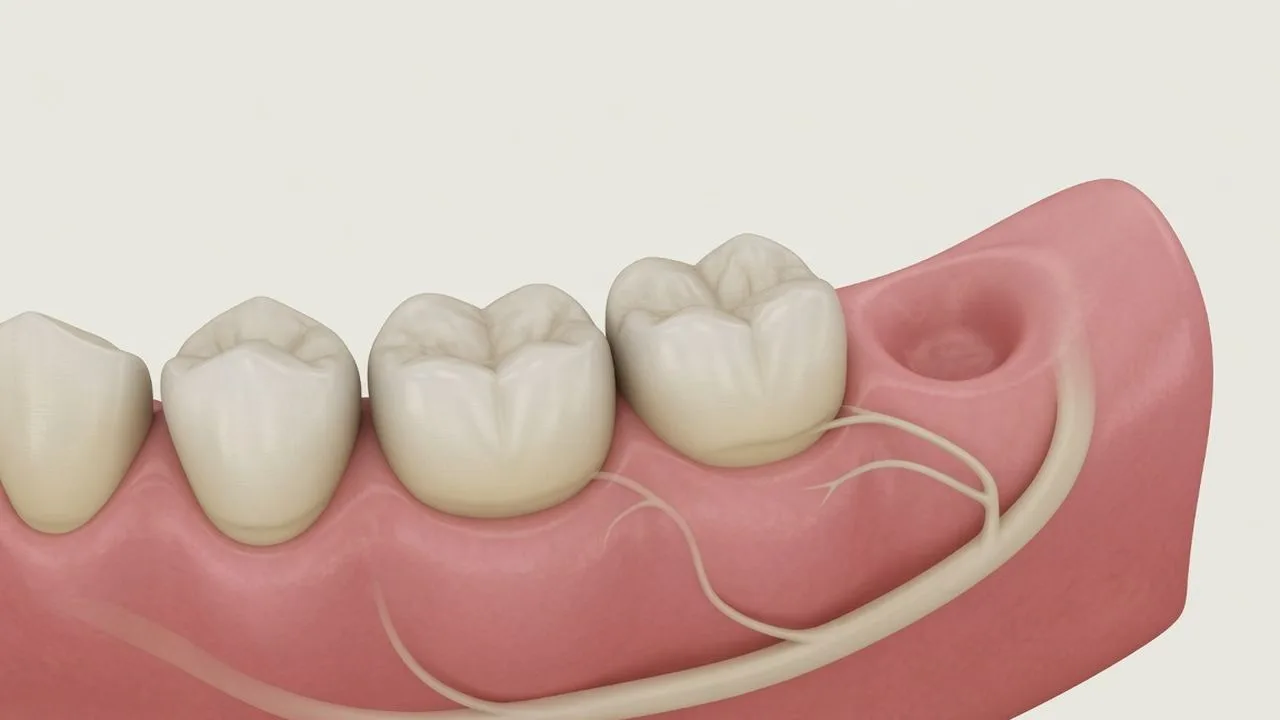
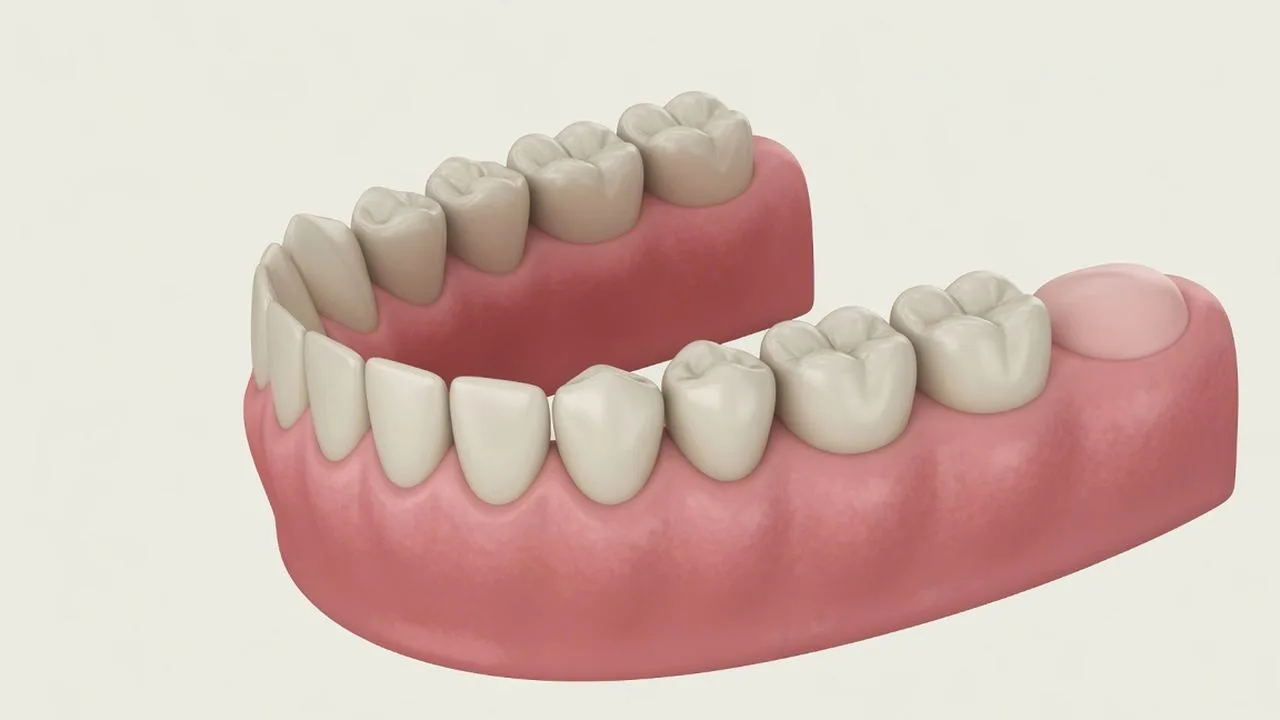
Recovery is about protecting the blood clot in the socket, managing soreness and swelling, and easing back into eating and activity. It is normal for your jaw and gum to be sore, swollen and to bleed a little for a few days. Once the wisdom tooth is removed, the area where the tooth was may be stitched to help it heal.
Whoever carried out the extraction is the person to call when something during recovery does not look right.
| What you are looking for | Where it is answered |
|---|---|
| Why wisdom teeth are removed and what the extraction involves | Wisdom teeth removal guide |
| Pain during removal and the risks you weigh beforehand | Wisdom teeth removal preparation and risks |
| What the removal costs and what moves the out of pocket | Wisdom teeth removal cost |
| Rebates and what Medicare does with dental extractions | Wisdom teeth removal and Medicare |
| Other dental procedures and their costs | Dentistry |
How Long Does Wisdom Teeth Removal Recovery Take?
Most people are home the same day and back to normal activities inside a week, while the wound keeps healing for up to a fortnight.
Those are general figures from Healthdirect, not a schedule anyone can hold you to. Two people who had the same number of teeth out on the same day can be doing different things by Thursday. The number of teeth removed, whether they were upper or lower, and how difficult the extraction proved all sit behind that variation, and the person who did the work is the only one who saw those details.
What that means practically for you: book the time off before the appointment rather than after, and ask at the consultation how much time the clinic usually suggests for a case like yours. If your own recovery is running longer or feeling worse than what you were told to expect, that is a reason to ring the clinic, not a reason to wait it out.
| Stage | What usually happens |
|---|---|
| Same day | You should be able to go home the same day |
| Up to a week | You may need to take up to a week off work; most people return to normal activities within a week |
| Up to 2 weeks | The wound usually takes up to 2 weeks to heal |
| Up to 18 months (nerve cases) | Any nerve damage is usually temporary, however it can take up to 18 months to fully recover |
What Is the Wisdom Teeth Recovery Timeline Day by Day?
The first day is about protecting the blood clot and controlling bleeding, the next few days bring soreness and swelling, and the following one to two weeks bring eating, activity and healing back to normal. Rinsing and sucking on a straw both put that clot at risk, which is why the first-day advice below is so specific about avoiding them. Everything below describes what people are commonly advised after an extraction, not a timetable your own mouth will follow.
The first 24 hours
Your dentist will ask you to bite down on a piece of gauze to stop the bleeding. Try to leave your wound alone for 1 to 2 days. Avoid excessive rinsing, sucking through a straw or spitting, as that can stop the blood clot forming. Try not to rinse your mouth at all in this window, because losing the clot costs you the thing normal healing depends on.
Transport home matters if you were put to sleep. After a general anaesthetic you cannot drive for 48 hours. That is worth sorting out before the appointment rather than in the car park afterwards.
Days 2 to 3
Soreness, swelling and a little bleeding from the jaw and gum are normal for a few days. Do not smoke for 48 hours after the surgery, and avoid alcohol and excessive physical activity.
This is also the stretch where the wound is still best left alone, the same caution that applies through day two as it did on day one.
The first week
Simple painkillers such as paracetamol and ibuprofen can help control mild pain caused by wisdom teeth, and you should not take any medicine without your practitioner's advice.
Infection is handled by the clinic, not at home. If the area becomes infected, the clinic may prescribe antibiotics alongside a salty water or chlorhexidine rinse, covered in full below. Antibiotics need a prescription, so that route starts with a phone call to the practitioner who treated you.
Getting back to eating normally
By now you're back to soft, easy to chew foods, which keep the area clear of trapped particles, and warm salty water rinses after meals (not before the 24-hour mark) are the usual hygiene routine, covered in full below.
The source guidance stops at soft and easy to chew. It names no foods, no temperatures and no salt measurements, so anyone giving you a wisdom teeth meal plan with numbers in it has gone past what the evidence supports.
The second week
By now most people are back to normal activities and feeling like themselves again, even though the wound underneath is still on its own healing timeline. The healing timeline and the feeling-normal timeline are not the same thing, and the gap between them is ordinary.
Separately from the day by day stages, one complication runs on a much longer clock. Damage to nerves that connect to your lip and tongue can happen if you have a lower wisdom tooth removed, and this can lead to loss of feeling in your lip, chin or tongue and a change or loss of taste. Any nerve damage is usually temporary, however it can take up to 18 months to fully recover.
How Do You Manage Pain and Swelling After Wisdom Teeth Removal?
Mild pain after an extraction is commonly managed with simple over the counter pain relief such as paracetamol and ibuprofen, and soreness and swelling in the jaw and gum are expected for a few days.
No dose, brand or combination belongs in a web page, and neither does the decision to take anything at all. Patients are usually told what pain relief suits them at discharge, taking into account other medicines they are on. Do not take any medicine without your practitioner's advice.
Pain during the extraction itself, and the risks you weigh before agreeing to it, are a different question from managing the days afterwards. Those sit on the Wisdom teeth removal preparation and risks guide.
What Wisdom Teeth Removal Aftercare Helps With Eating and Oral Hygiene?
Eat soft, easy to chew foods for the next few days to keep the area clean from food particles. Warm salty water can be held in the mouth after meals and no earlier than 24 hours after surgery. Antibiotics and rinsing with warm salty water or chlorhexidine mouthwash can help if the area around the wisdom tooth is infected. Exactly which routine applies to you is set by the practitioner who treated you, and the questions below are worth asking before you leave the appointment.
- When can I hold warm salty water after meals, given it is not used in the first 24 hours?
- What soft, easy to chew foods does the clinic want me on, and for how many days?
- When am I allowed to smoke, drink alcohol or return to physical activity?
- What do I do if food gets into the socket?
- When do I call out of hours if the socket does not look right?
- Should I wait for a review visit, or ring as soon as something feels wrong?
What Complications and Warning Signs During Recovery Need a Dentist's Advice?
If you have ongoing intense pain a few days after your tooth removal, or you think you may have dry socket, contact your dental clinic or dentist. Possible complications of wisdom teeth removal can include a dry socket, swelling, infection and damage to nearby teeth, and damage to the nerves can cause feelings of numbness or pins and needles. Healthdirect lists dry socket, where the socket does not heal well, among the complications of removing a wisdom tooth.
Dry socket has a recognisable shape. It can cause severe, ongoing throbbing pain within 1 to 3 days of the tooth extraction, and it occurs more often after extraction of a tooth in the lower jaw. You are more likely to develop dry socket if you smoke, if you had a difficult tooth extraction, or if you do not have good dental hygiene. Healthdirect states that dry socket is common and occurs in about 1 in 20 tooth extractions. That figure is for tooth extractions in general, not a wisdom teeth rate and not a number that says anything about you.
The treatment is a clinic job. Dry socket can be successfully treated by your oral health professional. Nothing about that is a reason to sit on it for another day.
| Question area | What to clarify before proceeding |
|---|---|
| Procedure team | Who is responsible for assessment, planning and each stage of the procedure |
| Written plan | The proposed procedure, expected scope, follow-up pathway and document handover |
| Risk discussion | Personal risks, benefits, alternatives and when to seek help |
| Quote scope | Inclusions, exclusions, potential additional costs and cancellation terms |
| Aftercare | Contact arrangements and continuity of care after the procedure, including out of hours |
If the care you received falls short, there is a route for that too. Your healthcare provider must tell you if something goes wrong, and you have the right to give feedback or make a complaint without it affecting how you are treated. If you are unhappy with your care it is a good idea to speak to the health professional first, and if you are not satisfied you can make a formal complaint to your state or territory health complaints body, or contact Ahpra if you are concerned about the behaviour of a health practitioner.
What Determines the Cost of Wisdom Teeth Removal Recovery?
What moves the out of pocket is worth understanding in words. A tooth extraction is usually done by a dentist or an oral surgeon, either under local anaesthetic at a dentist's practice or under general anaesthetic in hospital. If wisdom teeth are deeply impacted and difficult to remove, you may be offered a general anaesthetic. Wisdom teeth can be removed by a general dentist or by a dental specialist such as an oral surgeon or a maxillofacial surgeon, and who does the work is another variable. The number of teeth taken out in one sitting and the follow-up visits afterwards move it as well.
For current figures, see Wisdom teeth removal cost, and for rebates see Wisdom teeth removal and Medicare.