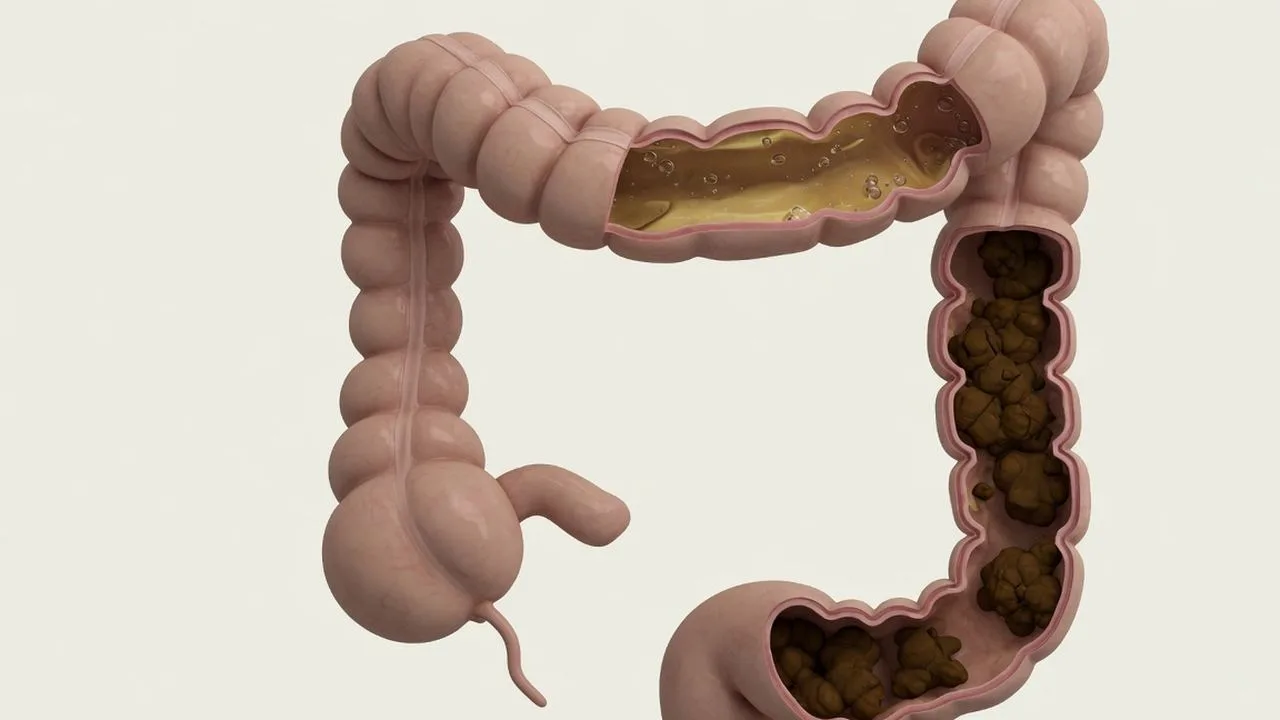
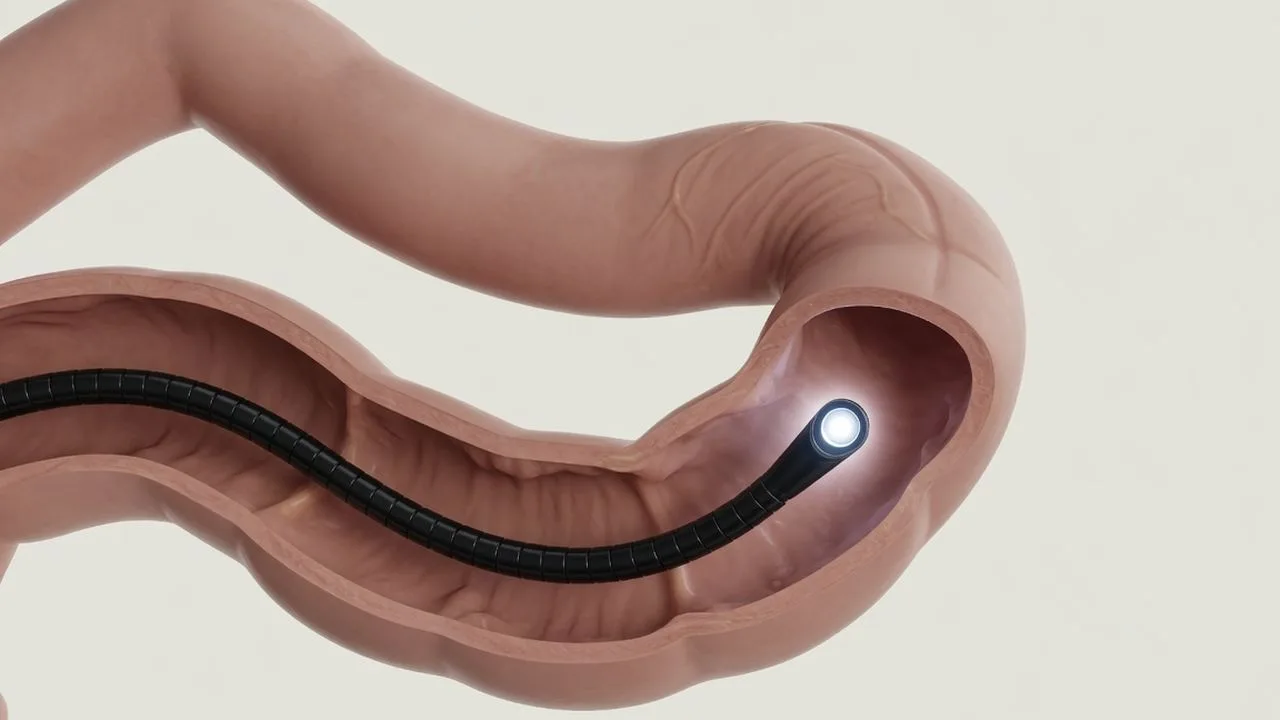
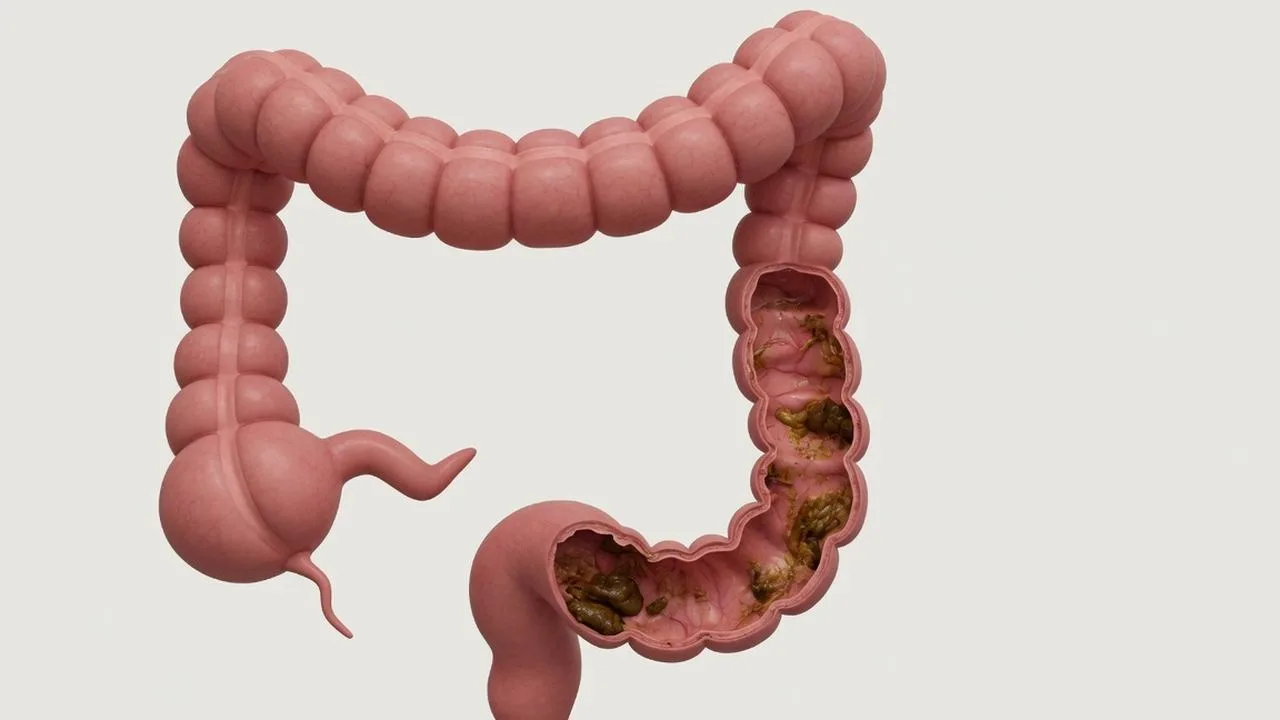
What Is a Colonoscopy Diet and Preparation Checklist?
A colonoscopy diet is the food and fluid changes you make in the days before the procedure so the bowel is clean and the doctor can see the lining of the colon. The checklist part is everything wrapped around it: the medicines to raise, the fluids to keep up, and the point at which eating stops.
The change is not permanent and it is not a nutrition programme. It is a short, staged run-up to a booked appointment, and you are usually told to modify your diet and avoid certain foods in the days before the procedure. Drinking plenty of fluids matters through that run-up, because the preparation can lead to dehydration.
What Are the Stages of a Colonoscopy Diet?
A colonoscopy diet generally moves through four stages: a lower fibre period, a clear fluids day, a prescribed bowel preparation medicine, and a final fasting window, each aimed at a clean bowel so the doctor can see the lining of the colon.
| Stage | What generally changes | Why it matters |
|---|---|---|
| A few days before | High fibre foods such as fruit, vegetables, brown rice, wholegrain pasta, cereal, nuts and seeds may need to be avoided, with lower fibre foods such as white rice, white bread, chicken, fish, yoghurt, cheese, potatoes and pumpkin allowed instead | The aim of the diet change is a clean bowel so the doctor can see the lining of the colon |
| The day before | A doctor may advise drinking only clear fluids for 12 to 24 hours before the test | Drinking plenty of fluids matters because the preparation can lead to dehydration |
| Taking the bowel preparation medicine | A prescribed medicine causing watery diarrhoea may be taken 12 to 18 hours before, and in some cases an enema is also needed | It helps empty the bowel so the lining can be examined |
| The final hours before | Some services advise taking nothing other than the liquids provided in the bowel preparation kit in the six hours before | Fasting is required before a general anaesthetic |
Where the table and your clinic's own diet and timing sheet disagree, follow the sheet your clinic issued.
What Does a 1 Week Colonoscopy Diet Sheet Look Like?
A 1 week colonoscopy diet sheet is the same four stages spread across the days before the appointment: lower fibre eating from several days out, then clear fluids, then the preparation medicine, then the fasting window closest to the procedure.
The early part of the week is the least dramatic. You are usually asked to keep fluids up across the whole run-up.
If your 1 week diet sheet has not arrived, or you cannot read the handwriting on it, that is a phone call to the clinic rather than a search.
What Foods Are Usually Allowed on a Low Fibre Diet for Colonoscopy?
A low fibre diet for colonoscopy generally limits high fibre foods and favours lower fibre alternatives, though the exact list comes from your own clinic.
Foods that may need to be avoided a few days before:
- Fruit and vegetables.
- Brown rice and wholegrain pasta, the wholegrain forms rather than the white ones.
- Cereal.
- Nuts and seeds, including where they appear inside other foods.
Lower fibre foods that may be allowed instead:
- White rice and white bread, in place of the wholegrain versions.
- Chicken and fish, as plain protein.
- Yoghurt and cheese, as dairy options.
- Potatoes and pumpkin, as the vegetables that may still appear.
Neither list is complete, and neither is a menu. If you want a deeper look at white-diet style guidance used in some services, see CostDoc's colonoscopy white diet page, and still treat your own clinic sheet as the rule for your booking.
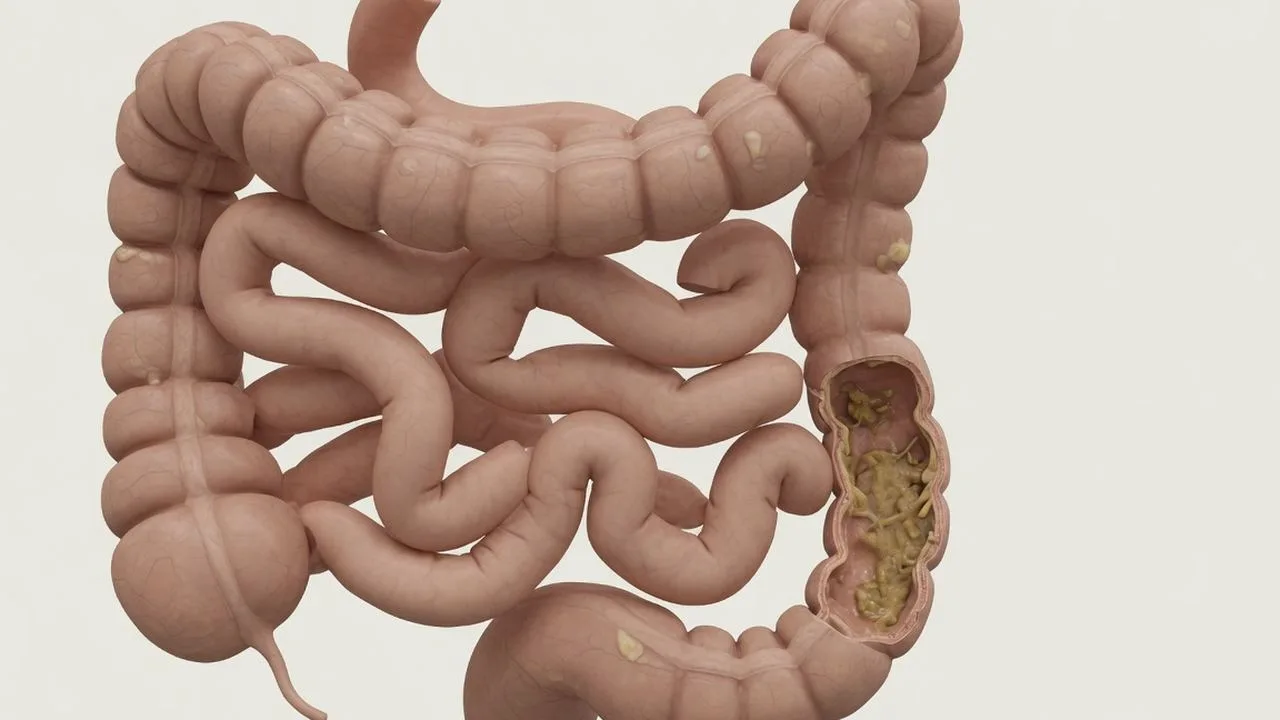
Why Does a Colonoscopy Diet Sheet Vary Between Providers?
Preparation instructions are issued by the treating service, so the stages and timings one person receives can differ from general guidance and from what someone at another clinic was given. That variation is ordinary and it does not mean either sheet is wrong.
Some of the difference is procedural rather than dietary. Some services advise taking nothing other than the liquids provided in the bowel preparation kit in the six hours before the procedure. Fasting is also required before a general anaesthetic, and where a general anaesthetic is used it is managed by a specially trained doctor called an anaesthetist, which changes the arrangements around the day.
None of that makes one service's instructions better or safer than another's. The practical answer is to work from the sheet in your hand and to ring the clinic that issued it when something on it is unclear.
What Medicines and Supplements Need to Be Discussed Before a Colonoscopy?
Tell your doctor about all the medicines you take, including over the counter medicines and complementary or alternative medicines, because some may need to be stopped before a procedure. You may also be asked to bring a list of all your medications, prescription and non-prescription, along with vitamins, minerals and herbal supplements.
The categories that commonly come up:
- Anti-inflammatory medicines, named among those that may need to be stopped before a procedure.
- Medicines for diabetes, also named in that group.
- Blood thinners, where the service will want to know whether you are taking agents such as aspirin, clopidogrel, pradaxa or warfarin.
Whether any of them is stopped, and when, is a decision for the treating practitioner and never one to make alone. Raise the full list early enough that there is time to answer it.
Two facts about the day itself sit alongside this: a colonoscopy usually takes less than 30 minutes, and it usually takes place as day surgery, so an overnight stay is not usually needed. The rest of what happens on the day is set out on the Colonoscopy procedure guide.
What Can't Be Done After Sedation?
Straight after sedation you should not drive a car, travel alone on public transport, use machinery, sign legal documents or drink alcohol. That list is short and it is not negotiable by circumstance.
You should also not drive yourself home after a colonoscopy, because of the medicines given during it. Before that point, you stay in a recovery area until the sedation wears off, and a drink and something light to eat may be offered about an hour after you are fully awake.
It is best to have someone with you for the 24 hours after an anaesthetic so they can check that you are all right. Worth sorting that out when the appointment is booked, not the night before, since it usually means asking somebody to clear a day.
Risks, Complications and When to Contact the Clinic
Call your doctor immediately if you have a fever, more than a tablespoon of rectal bleeding, severe abdominal pain or bloating, persistent nausea or vomiting, extreme thirst, dizziness or headaches. Bleeding from the rectum should never be ignored.
If polyps were removed you may have some mild bleeding from the rectum or in your bowel motions, and that bleeding can start straight away or within two weeks of the procedure. Separately from the warning list, after a colonoscopy you might feel tired from the sedation, bloated because of trapped air in the bowel, and mildly uncomfortable, all of which are worth asking the treating practitioner about rather than managing at home. Air is pumped into the bowel during the procedure to make the bowel wall easier to see.
Complications during or after a colonoscopy are rare, and Healthdirect does not publish a rate for how often each one happens. They include:
- Bleeding.
- Perforation of the bowel.
- Infection.
- Dehydration or an allergic reaction to the bowel preparation.
- Complications from the medicines used for sedation.
You have the right to be told about the possible benefits and risks of different tests and treatments, and you can ask the treating practitioner what each of these would mean in your own case.
What Determines the Cost of a Colonoscopy?
Several things change what you pay for a colonoscopy, and most of them are settled before the day rather than on it. Current prices are on the Colonoscopy cost page, and coverage is set out on Colonoscopy and Medicare.
- Public or private setting, which changes who bills you and for what.
- Sedation or a general anaesthetic, since where a general anaesthetic is used it is managed by an anaesthetist, adding a separate practitioner to the episode.
- The day surgery facility, because a colonoscopy usually takes place as day surgery.
- Whether polyps are removed or biopsies taken, since the doctor may remove any polyps they find and take biopsies to check for disease.
- The follow-up appointment, since you will need to see your doctor again to discuss the results.
A written quote should itemise each of those separately, naming the practitioner fee, the anaesthetist fee, the facility fee and anything billed only if polyps are found, so two quotes can be compared line by line. CostDoc emails cost updates when the figures move, if you want to be told.
How Do You Check a Practitioner's Registration or Raise a Concern?
You can check that the individual practitioner treating you is registered by searching the AHPRA public register, because registration attaches to the individual practitioner rather than to the clinic brand. The AHPRA register also shows whether a health professional has been disciplined, and why. A clean entry is a record of regulatory history, not a prediction of how a particular procedure will go.
The register is worth checking for the person named on your booking letter, since a clinic can list several practitioners while only one will be in the room. A colonoscopy may be recommended by your own doctor or by a gastroenterologist, and the referring practitioner and the treating one are often not the same person.
If something about the care is not right, a good first step is to speak to the health professional involved. You can also raise a concern with the clinic, with your state or territory health complaints body, or with AHPRA, as set out on healthdirect's healthcare rights page. Each state and territory has its own body for health complaints. For other procedures in the same area, the Gastroenterology hub is the place to start.