Read the Colonoscopy procedure guide for what happens on the day. Current prices sit on the Colonoscopy cost page, with rebate context on Colonoscopy and Medicare. This page is general information only and is not medical advice.
What Does Colonoscopy Preparation Focus On?
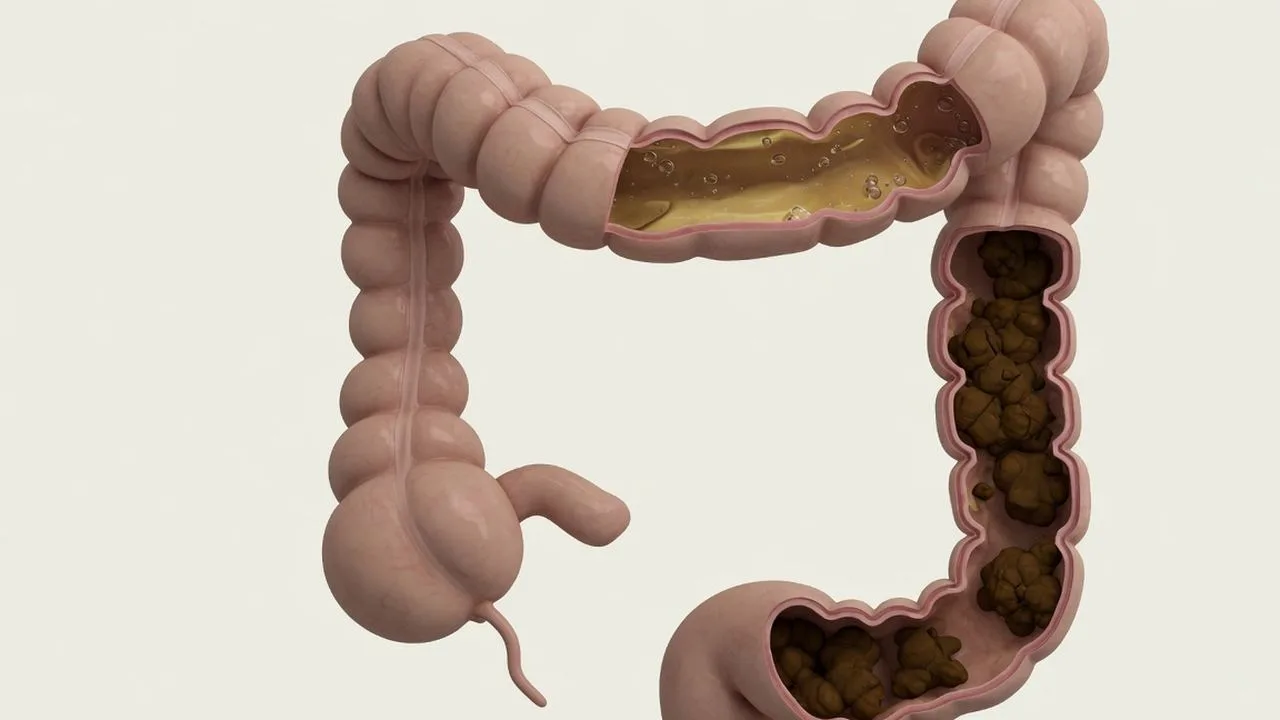
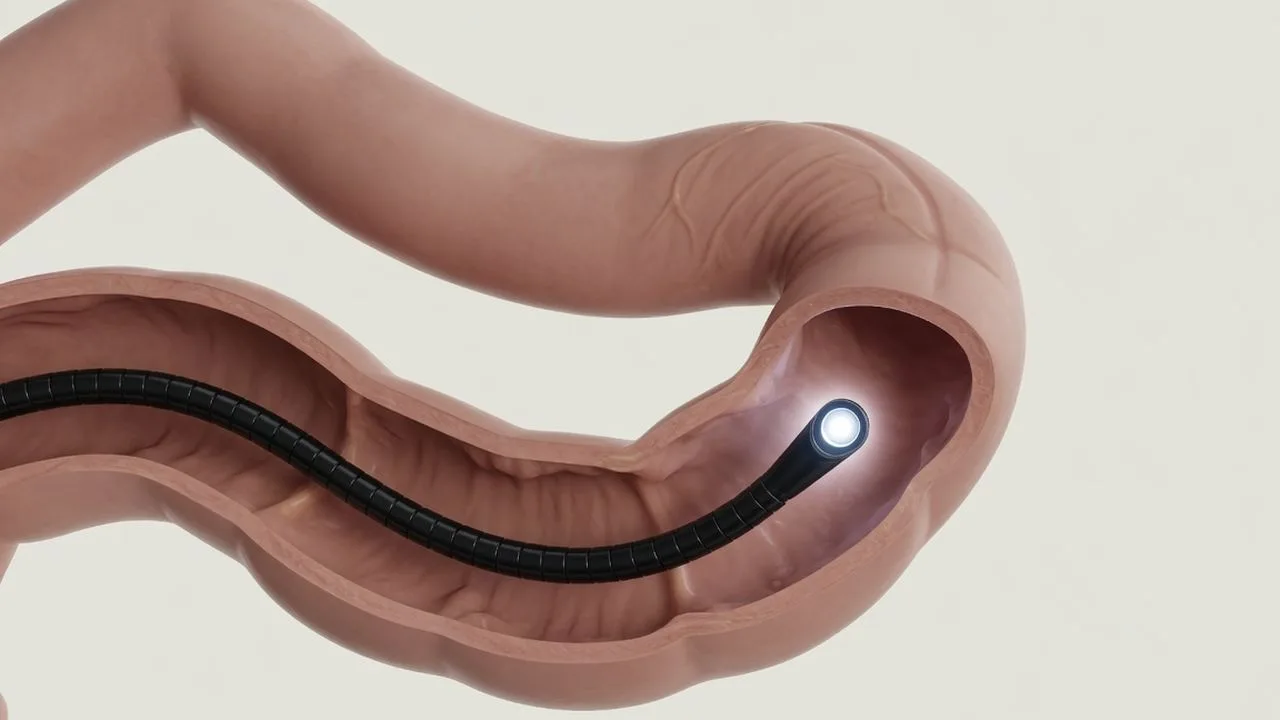
Preparation is about emptying the bowel so the doctor can examine the lining properly, then following the exact timing your treating team has written down for you. A colonoscopy is one type of endoscopy, a general term for procedures that use a thin, flexible tube with a light and camera to give a direct view inside the body. People are commonly asked to avoid eating and drinking for a set period before an endoscopic procedure such as a colonoscopy. The specific fasting window is not universal.
| What you are looking for | Where it is answered |
|---|---|
| What happens on the day of the procedure | Colonoscopy procedure guide |
| Diet stages and food lists in more detail | Colonoscopy diet and preparation checklist |
| What a colonoscopy costs and what moves the out of pocket | Colonoscopy cost |
| Rebates and how Medicare treats colonoscopy | Colonoscopy and Medicare |
| Other gastroenterology procedures and their costs | Gastroenterology |
What Does the Colonoscopy Prep Sequence Involve?
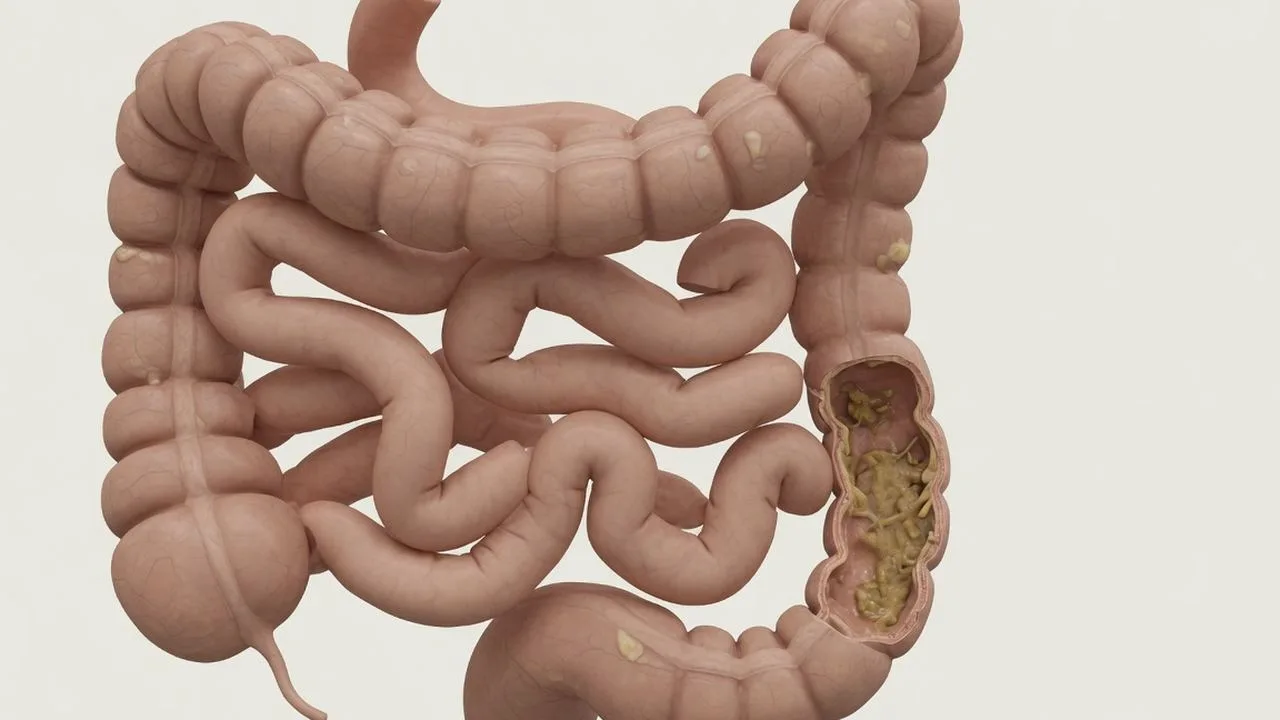
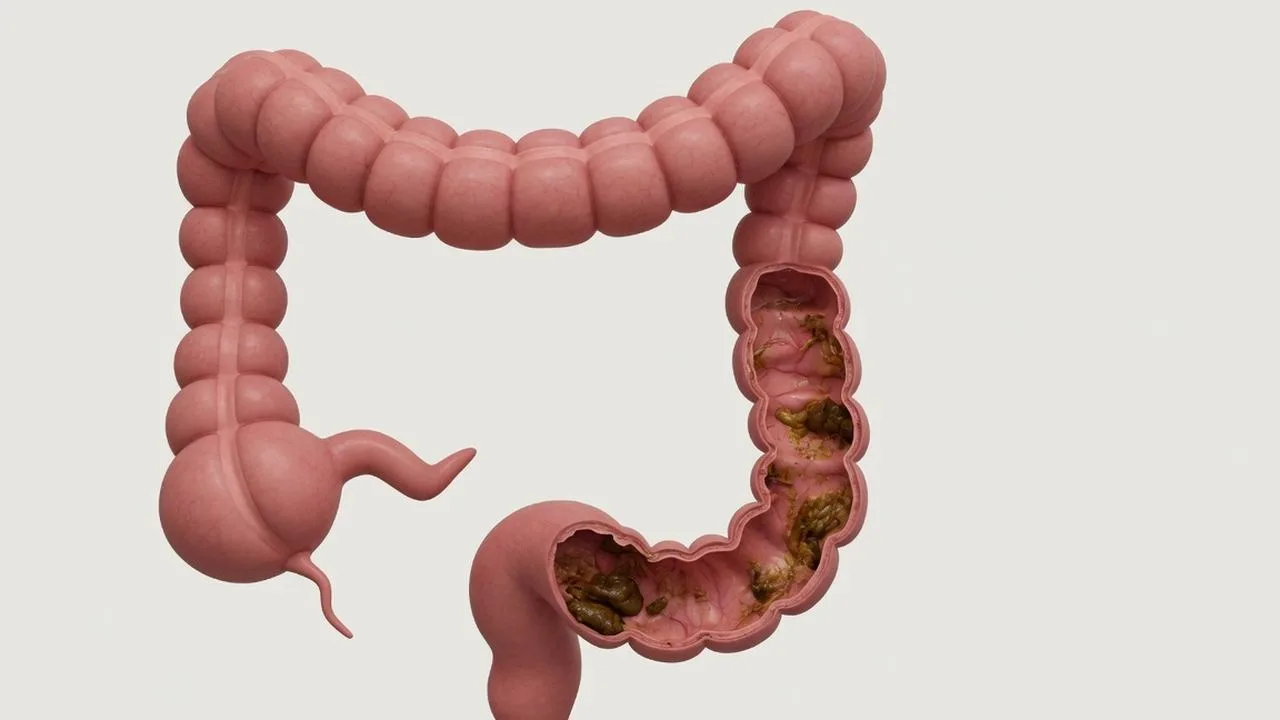
A poorly cleaned bowel can stop the doctor examining the lining properly, meaning you may need to return for another colonoscopy. Poor bowel preparation may mean the procedure has to be stopped and repeated on another day, or that the accuracy of the colonoscopy is reduced. Neither source attaches a rate or a percentage to how often this happens.
Preparation runs in a set order. Colonoscopy bowel preparation involves a special low residue diet for a few days beforehand, followed by a laxative and a prescribed solution that cleanses the colon. Preparation can include a strong laxative that may be prescribed to be taken 12 to 18 hours before the test.
What that means practically for you: read the sheet as a sequence, not as a single instruction, and ring the endoscopy service if any step on your paperwork is blank or unclear before the day.
What Diet and Fasting Changes Happen Before a Colonoscopy?
In the days before a colonoscopy, you may be told to modify your diet and avoid certain foods as part of bowel preparation. There is no single national food list. The treating team specifies it, and it varies with the preparation product they have chosen.
It is vital to strictly follow the bowel preparation instructions given by medical staff ahead of a colonoscopy. Preparation instructions commonly restrict a person to only the liquids provided in a bowel preparation kit for a set period before the procedure, such as the six hours immediately beforehand.
The liquid stage of bowel prep for colonoscopy is where the timing gets specific. The preparation sheet given for the appointment carries the exact food list, start time and fasting cut-off.
What Fluids Can You Drink During Colonoscopy Preparation?
You may drink as much clear fluid as you like throughout the day, including while you are drinking the bowel preparation solution, to help avoid dehydration.
Examples of a clear fluid include water, clear strained soup, black tea or coffee, herbal or iced tea, lemonade or ginger ale, orange or lemon cordial, clear apple juice, and yellow or orange sports drinks. That is one hospital's own list, and permitted fluids differ between services and products.
The stop point comes on the day of the procedure, at a time the hospital sets. You continue to drink water on the day of the colonoscopy until a specific time set by the hospital, after which you must fast and have nothing more to drink before the procedure. That source leaves the time blank for staff to fill in, so check the written cut-off on your own paperwork before the day.
What Medicines and Diabetes Management Need Discussion Before Colonoscopy?
Medication is disclosed before the procedure, not adjusted on your own initiative. Tell your doctor before the procedure if you are allergic to any drug or substance, are taking medication such as aspirin or blood thinning tablets, or have heart valve disease or a pacemaker. If you take blood thinning tablets such as warfarin, inform your doctor, as arrangements to cease this medication are usually required before a colonoscopy. Patients are also commonly asked to stop iron tablets and any medication used to stop diarrhoea at least five days before the procedure.
Diabetes has its own pathway. If you have diabetes, your doctor may need to modify your diabetes medications so that your blood sugar is well managed around the time of a colonoscopy. If you take diabetic tablets or insulin and have not already received instructions on diabetes management before your colonoscopy, contact the endoscopy service ahead of your bowel preparation.
None of it is a do-it-yourself instruction. Any pause or adjustment is confirmed with the prescribing doctor and the endoscopy service.
How Do You Get Home and Recover After a Colonoscopy?
Most people can go home about four hours after a colonoscopy, once the effects of sedation have sufficiently worn off. You will commonly need somebody to help you get home because of the effects of sedation, and you are commonly advised not to drive yourself home and not to consume alcohol for a period afterwards because of the medications given.
WA Health's guidance is not to drive a car for 24 hours after the sedative used in a colonoscopy, and to arrange for a friend or relative to escort you from the day ward and drive you home. That figure is specific to WA Health's guidance and sedation practice, and your own hospital may set a different one.
After a procedure such as a colonoscopy, people typically return to their normal activities within one to two days. Minor after-effects such as bloating, gas or mild cramping are commonly reported for a short period afterwards. Transport is the arrangement worth sorting before the day.
What Warning Symptoms After a Colonoscopy Need Contact?
Some symptoms call for contact without waiting for a scheduled follow-up. Contact the hospital where you had your colonoscopy or your GP if you have any severe abdominal pain, bleeding from the back passage, or any other symptoms that cause you concern. Contact the hospital or your doctor's rooms immediately if you develop any of the following in the period up to 14 days after a colonoscopy.
- Severe abdominal pain.
- Persistent bleeding from the anus, or bleeding from the back passage.
- Black or tarry stools.
- Fever.
- Any other symptom that causes you concern.
This combined list, drawn from two published patient information sheets, is not exhaustive. Discharge paperwork carries the contact number to use.
What Are the Risks and Complications of Colonoscopy?
WA Health says recognised complications of colonoscopy, such as perforation of the bowel wall or major bleeding, are very uncommon. When polyps are removed during a colonoscopy, which happens in about one third of examinations, WA Health puts the perforation rate at about 1 in 400 examinations.
Separately, the RACGP says colonoscopy carries rare direct and indirect harms, including death from the procedure in an estimated one in 10,000 to 14,000 colonoscopies. The two figures come from different sources and neither is a forecast for any individual patient.
| Question area | What to clarify before proceeding |
|---|---|
| Care team | Who performs the colonoscopy and who administers the sedation |
| Written plan | The written preparation instructions, the appointment time, the fasting cut-off, and how results and any biopsy findings reach you |
| Safety discussion | What applies personally to you, the alternatives available, and when to seek help afterwards |
| Quote scope | Inclusions, exclusions, potential additional costs and the cancellation terms |
| Aftercare | Contact arrangements and continuity of care after you go home, including out of hours |
Who Is Colonoscopy Preparation For?
Colonoscopy is not generally recommended as a screening test for people at average, or only slightly increased, risk of bowel cancer based on family history.
The National Bowel Cancer Screening Program provides free screening to eligible people aged 45 to 74, with people aged 50 to 74 sent a screening kit automatically every two years and people aged 45 to 49 able to request their first kit. The programme uses an at-home immunochemical faecal occult blood test, which involves collecting small stool samples and returning them by mail for testing.
A positive bowel screening result does not mean you have cancer, and it is important to speak with a doctor about next steps, which may include referral for a colonoscopy. A positive result means blood was detected, which can have many causes that are not bowel cancer, and the doctor may arrange further tests. If you are under 45 or over 74, or have a family history of bowel cancer, speak with your GP about your own screening options outside the standard programme kit. General practice can play an important role in increasing participation in the programme, including identifying patients who are under-screened.
What Should You Confirm in Writing Before Colonoscopy Preparation?
Take these to the appointment, before you start the prep rather than after it, and write the answers down:
- Who performs the colonoscopy, and who administers and monitors the sedation?
- Is that practitioner currently on the register, and what relevant experience do they have?
- What does the written quote include, and what is excluded from it?
- How are complications and follow-up handled, and by whom, once I leave the day ward?
- What happens if I am unhappy with the care or the outcome?
- What is the exact diet and fasting timing on my sheet, including the clear-fluid stop time?
- Which of my medicines, including diabetes medication, should I pause or continue?
Want the preparation checklist and CostDoc's gastroenterology cost updates by email? Sign up for the CostDoc newsletter.
What Determines the Cost of Colonoscopy Preparation?
Hospital treatment as a private patient can involve health care provider fees, such as fees for a surgeon, anaesthetist, assistant surgeon, other specialist, and diagnostic tests and imaging. Private hospital treatment can also involve hospital fees, such as accommodation, use of the operating theatre, medicines and dressings.
Which of those apply to a given colonoscopy depends on the setting, the practitioners involved and whether tissue is sent for testing. Ask for an itemised written quote covering the practitioner, facility, sedation and any pathology. Current prices are on the Colonoscopy cost page, with rebate context on Colonoscopy and Medicare.
| Where to go next | What it answers |
|---|---|
| Colonoscopy cost guide | What a colonoscopy costs in Australia and what moves the figure |
| Colonoscopy and Medicare | How Medicare treats colonoscopy and what a rebate does and does not cover |
How Do You Check a Practitioner's Registration or Raise a Concern?
Anyone can check whether a doctor, including a gastroenterologist or other specialist, is currently registered to practise in Australia by searching the Ahpra register of practitioners, which lists individual practitioners instead of clinics or hospital brands. That online register is the only reliable, continuously updated source of a practitioner's current registration status, and consumers are advised to check the live register instead of relying on a printed or historical copy of a listing.
If you have a concern about the medical care you received, such as care during a colonoscopy, raise it first with the treating practitioner or hospital. You can otherwise contact the relevant state or territory health complaints body or, for concerns about unsafe practice or professional conduct, Ahpra, which regulates individual practitioners and not clinics, hospitals or organisations. The Colonoscopy procedure guide and the Gastroenterology hub cover related colonoscopy topics.