What Is a Colonoscopy and How Does It Work?
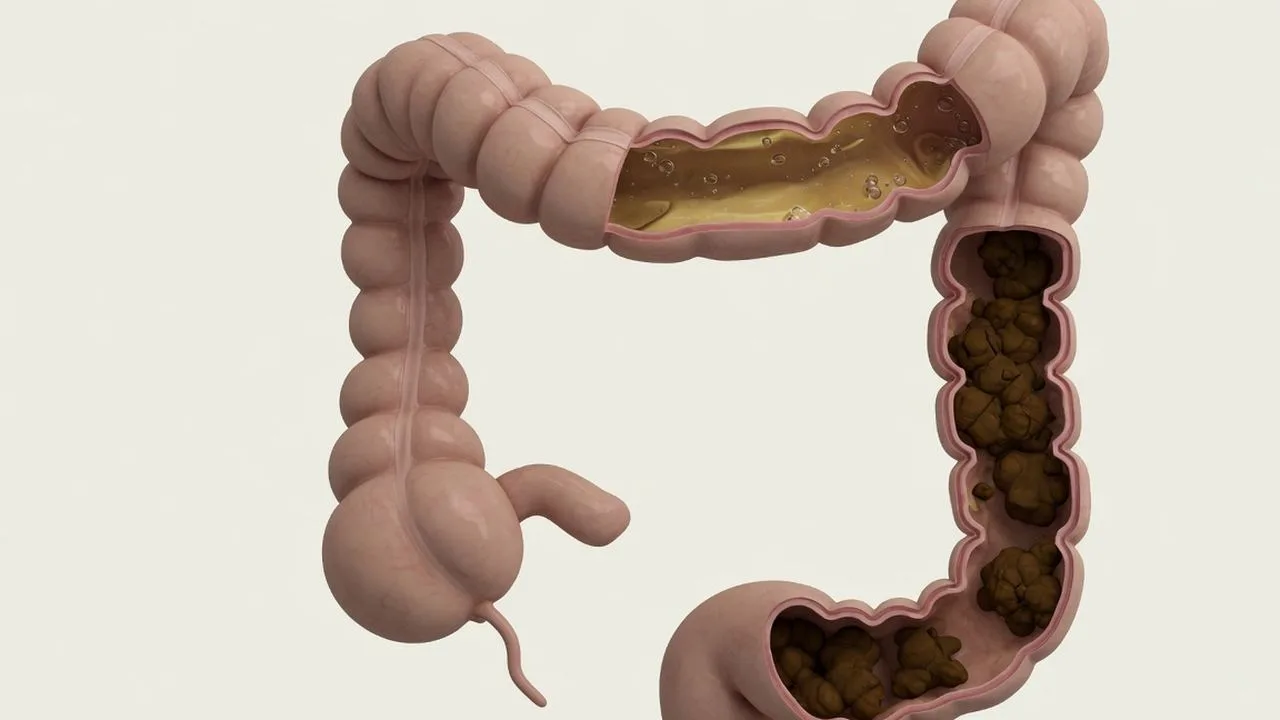
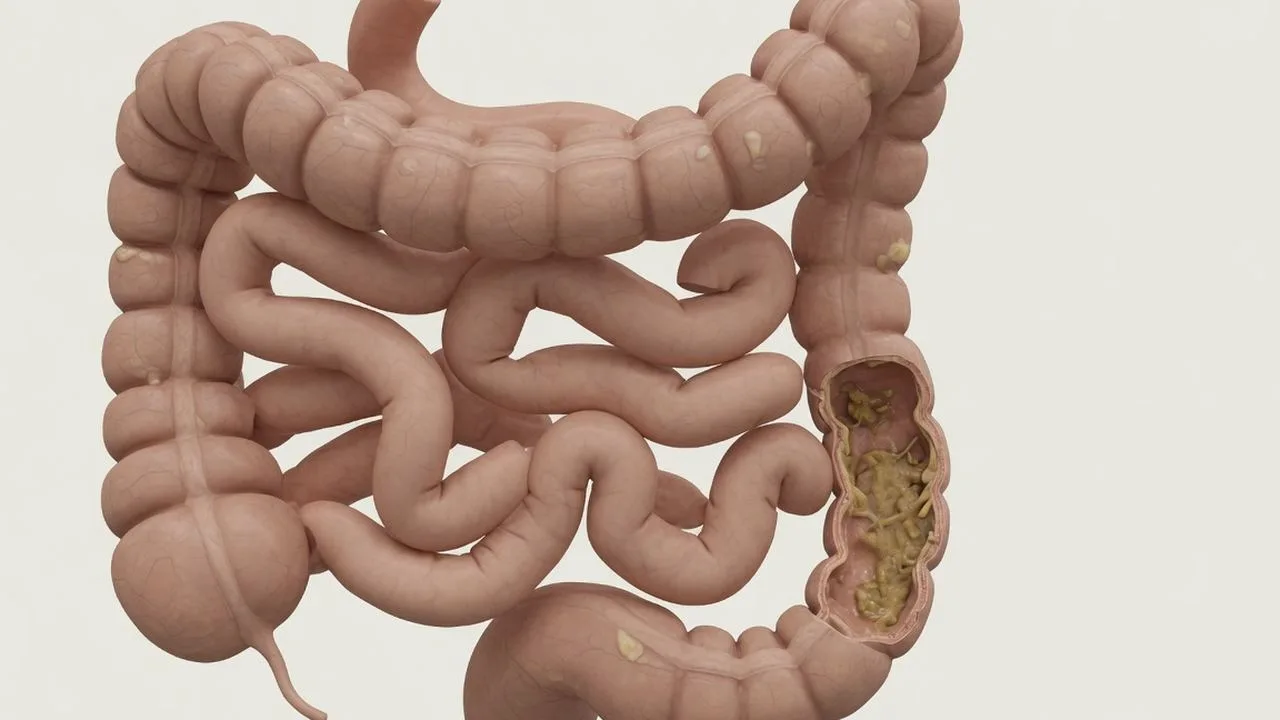
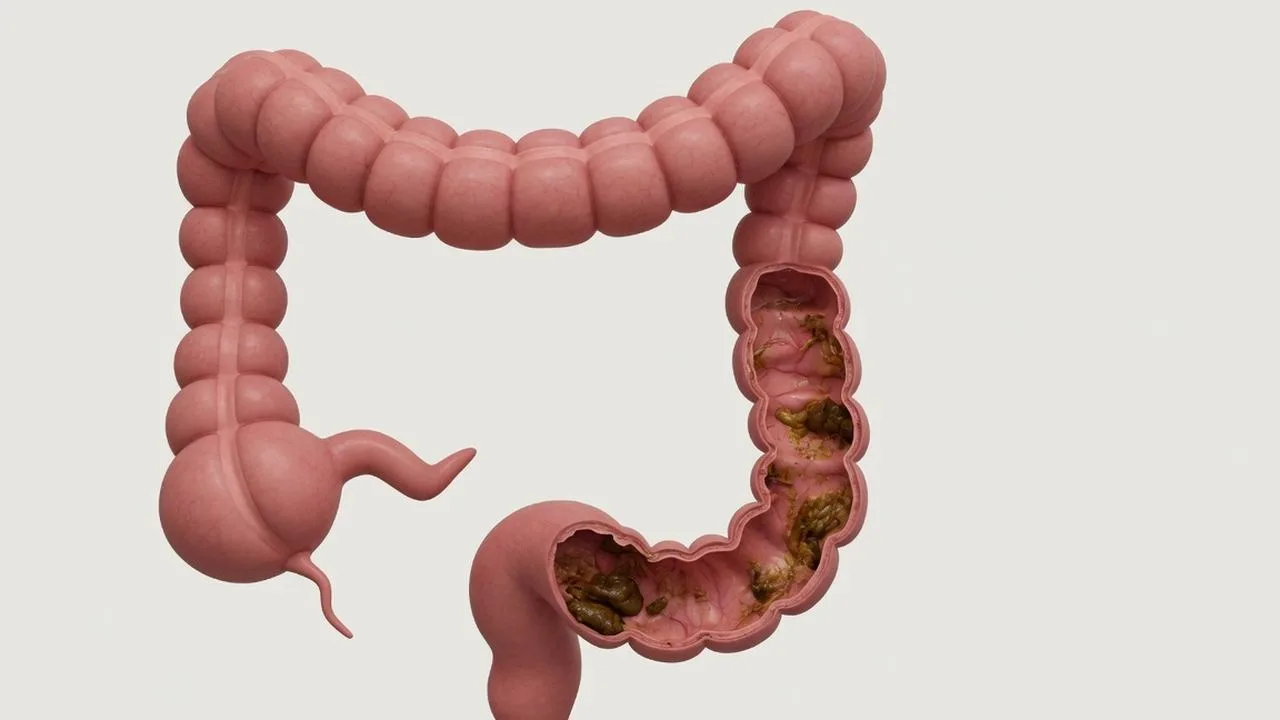
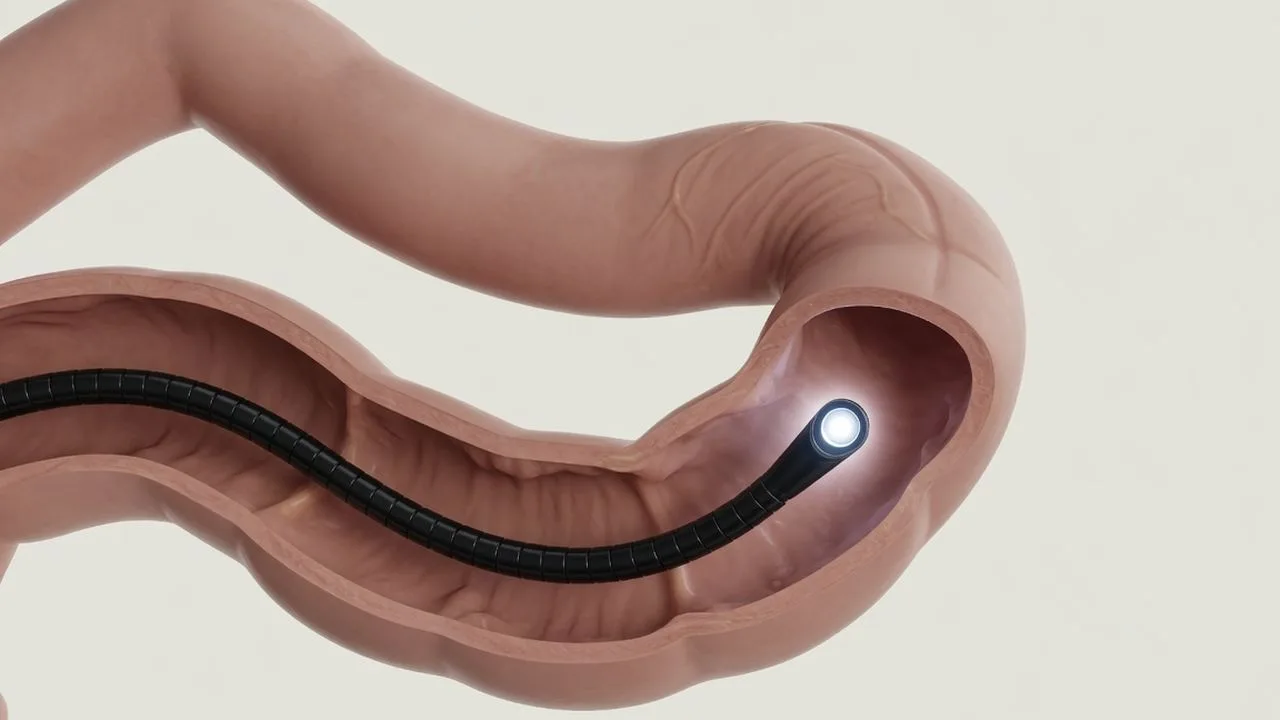
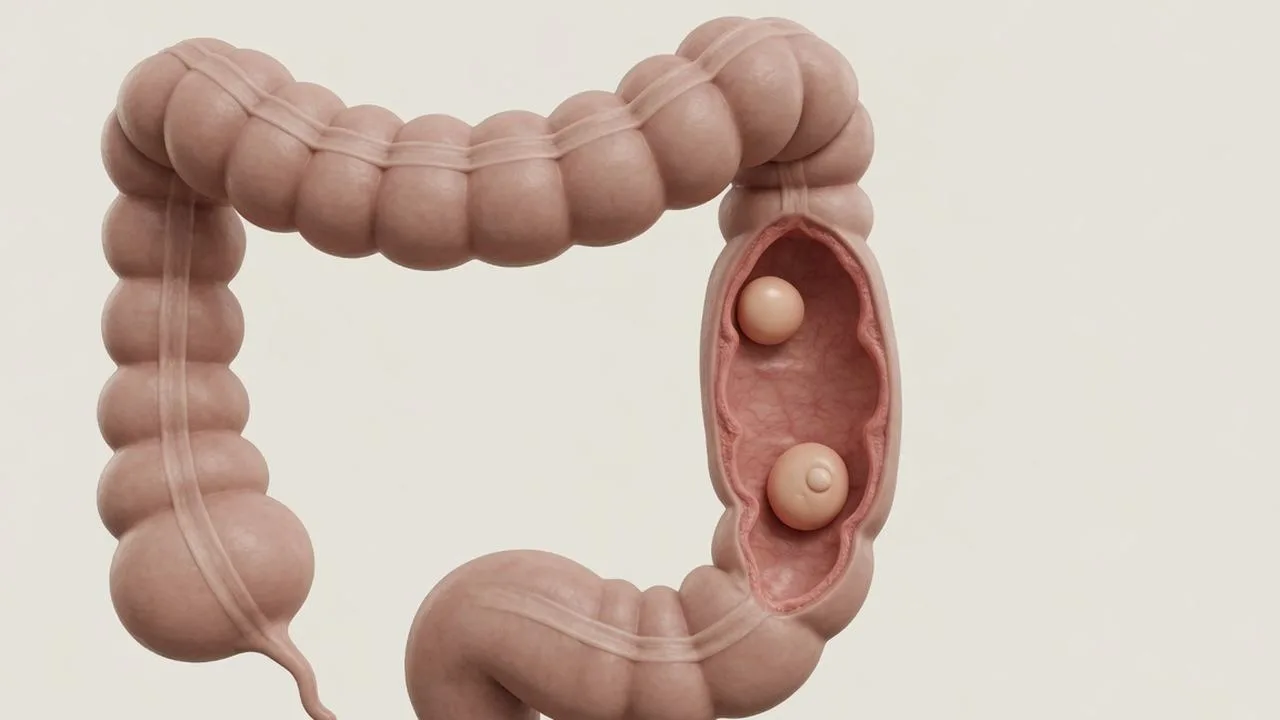
A thin, flexible tube (colonoscope) is passed through the anus, into the rectum, then around the large bowel. A camera and light at the tip show the lining on a screen.
Samples (biopsies) can be taken. Polyps, small growths on the lining, can be removed in the same session.
- Ask whether samples or polyp removal are expected.
- Ask who will be looking at the screen.
When Is a Colonoscopy Recommended?
Healthdirect lists it for gut symptoms such as abdominal pain or bleeding from the anus, higher risk from chronic bowel disease or a family history of bowel disease, suspected polyps or inflammation, unexplained weight loss or stool changes, follow-up of an earlier colonoscopy, or after a positive bowel cancer screening (poo) test.
Cancer Council Australia is blunt on a different point: colonoscopy should not be used as a screening test for people with no symptoms or at average risk. Those people are pointed to the National Bowel Cancer Screening Program.
A GP who thinks specialist investigation is warranted usually refers to a gastroenterologist or a colorectal surgeon.
| Situation | What the sources support |
|---|---|
| Symptoms, family history, previous findings, or a positive poo test | Colonoscopy is often the next test. |
| No symptoms, average risk | The poo test, not a colonoscopy, is the screening path Cancer Council describes. |
- Ask why this test, and not the poo test, applies to you.
- Ask who you are being referred to.
How Do I Prepare for a Colonoscopy?
Read the instructions at least two weeks ahead, especially if you have diabetes, kidney disease, high blood pressure, heart or blood vessel conditions, take blood thinners, or have other serious medical problems.
A few days before, high-fibre foods (fruit and vegetables, brown rice, wholegrain pasta, cereal, nuts and seeds) may come off the plate. Low-fibre food such as white rice and white bread, chicken and fish, yogurt and cheese, potato and pumpkin is what those pages describe instead.
- Clear fluids for 12 to 24 hours: water, clear juice without pulp, black tea or coffee without milk, clear soup.
- A prescribed medicine 12 to 18 hours before causes watery diarrhoea that empties the bowel.
- Mild nausea and bloating from the prep are common, but dizziness, fever or a severe headache can mean dehydration or an allergic reaction that needs prompt medical attention. The same applies if you cannot finish the prep.
- Ask about regular medicines, including blood thinners, over-the-counter products, herbs and supplements. Do not guess.
More detail sits on CostDoc's colonoscopy preparation guide.
- Follow the written kit. A poorly emptied bowel can mean repeating the test.
- Ask before you stop or keep any medicine.
What Happens During a Colonoscopy?
You lie on your left side. Sedation or a general anaesthetic is typical, so you usually will not remember it. The tube goes in, and air or carbon dioxide is used so the lining can be seen.
Polyps can be removed and sent for analysis. Biopsies can be taken. Removal or biopsy may cause bleeding.
It is usually day surgery. You wait in recovery until the sedation wears off. Better Health Channel says you can usually go home after about four hours.
- Ask whether sedation or a general anaesthetic is planned.
- Ask what will be done if a polyp is found.
How Long Does a Colonoscopy Take?
Healthdirect puts the examination at usually less than 30 minutes. Better Health Channel says 15 to 30 minutes. Cancer Council says about 20 to 30 minutes. Those are different pages. The clock that matters for you is the one on your booking, plus recovery.
- The camera work is often under half an hour.
- Recovery, not theatre time, is why you need a lift.
What Happens After You Have Had a Colonoscopy?
You may feel tired, bloated from trapped air, and mildly uncomfortable. Bloating usually settles within 24 hours.
You need someone to get you home. Straight after sedation, Healthdirect says do not drive, travel alone on public transport, use machinery, sign legal documents or drink alcohol. HealthyWA is more specific on driving: do not drive a car for 24 hours, or operate machinery for 24 hours, and do not sign legal documents until the next day.
If polyps were removed, mild bleeding can start straight away or within two weeks.
The doctor or nurse should tell you when medicines restart, what to eat and drink, and what to do if there is a problem.
- Arrange a lift and someone overnight if you can.
- Treat the 24-hour driving rule as the stricter of the two sourced lists.
What Are the Risks of a Colonoscopy?
Healthdirect describes complications as rare: bleeding, perforation (a hole in the bowel), infection, dehydration or an allergic reaction to the prep, and problems from the sedation medicines. HealthyWA gives rates below for perforation and bleeding after polyp removal; Healthdirect does not publish a rate for how often the dehydration, allergic reaction or sedation problems happen.
- HealthyWA quotes survey figures: when the examination only looks, complications in less than 1 in 2000. When polyps are removed, perforation about 1 in 400, and bleeding needing hospital and transfusion about 1 in 1000. Those are survey reports, not a forecast for you.
- Cancer Council names temporary wind pain and flatulence as an occasional side effect, especially if air rather than carbon dioxide is used, and damage to the bowel or bleeding as more serious but rare.
- Call the doctor immediately for a fever, more than a tablespoon of rectal bleeding, severe abdominal pain or bloating, persistent nausea or vomiting, extreme thirst, dizziness or headaches.
- A polyp or a cancer can still be missed.
- Ask what the after-hours number is before you leave.
- Ask how you get the tissue results.
Is a Colonoscopy a Screening Test?
Two Australian pages do not say the same thing.
Healthdirect still describes colonoscopy as the best method available to screen for bowel cancer, while noting that a growth can be missed.
Cancer Council Australia says colonoscopy should not be used as a screening test for people with no symptoms or at average risk. Those people are urged onto the National Bowel Cancer Screening Program. From 1 July 2024, people aged 45 to 49 can request a free kit as well as the 50-to-74 group.
- A bowel screening (poo) test every two years is recommended if you are at average or slightly above average risk. It looks for tiny traces of blood you cannot see. A positive result is one of the reasons a colonoscopy is then discussed.
- Most people who have a colonoscopy do not have bowel cancer.
- Average risk, no symptoms: the poo test is the screening path Cancer Council describes.
- A positive poo test is a reason a colonoscopy is often next.
What Are the Alternatives to a Colonoscopy?
A virtual colonoscopy uses MRI or CT pictures. It is less accurate, cannot take samples, and a colonoscopy is still needed if something abnormal is found.
Flexible sigmoidoscopy looks only at the rectum and the lower bowel. It is less thorough.
- Virtual scans cannot take a biopsy.
- A sigmoidoscope does not see the whole colon.
Who Can Perform a Colonoscopy in Australia?
A gastroenterologist or a colorectal surgeon, after a GP referral when specialist investigation is warranted. You can have it at a public or private hospital or clinic.
Check the individual on the Ahpra public register. Registration means they may practise. It is not a skill badge for this examination.
- Named person, not the clinic brand.
- Public or private hospital, or a clinic.