What Is Endoscopy?
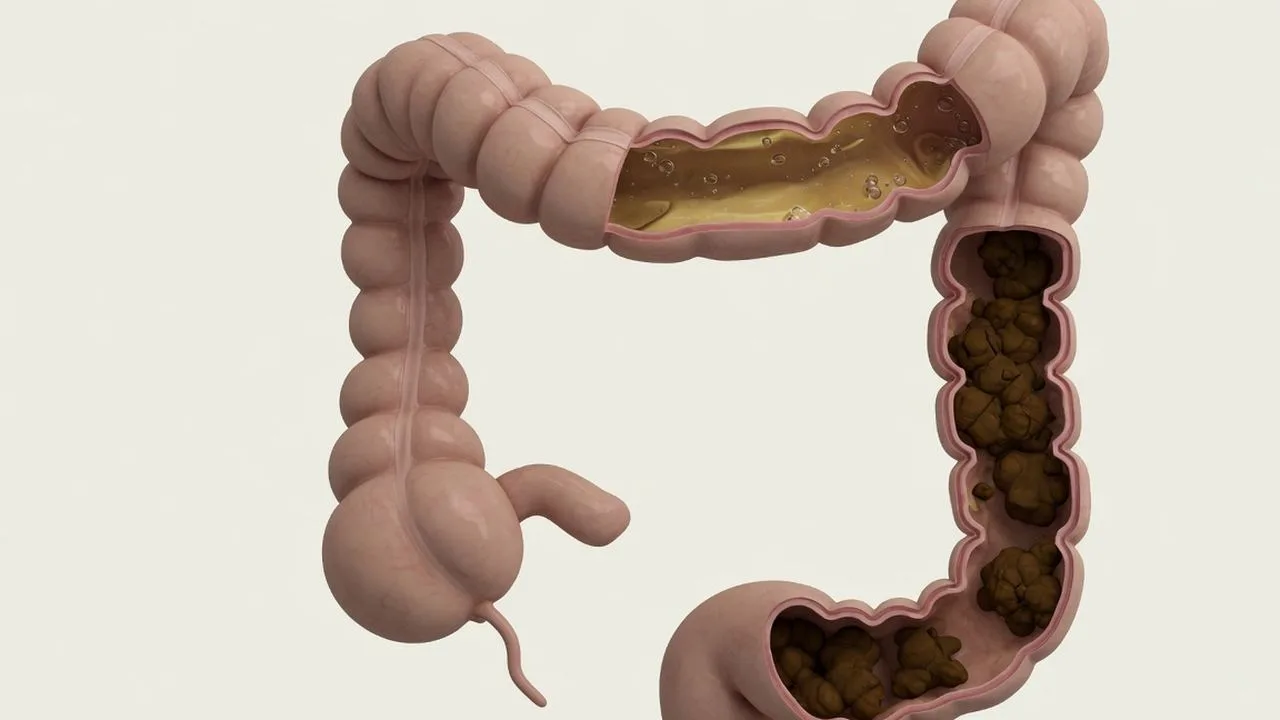
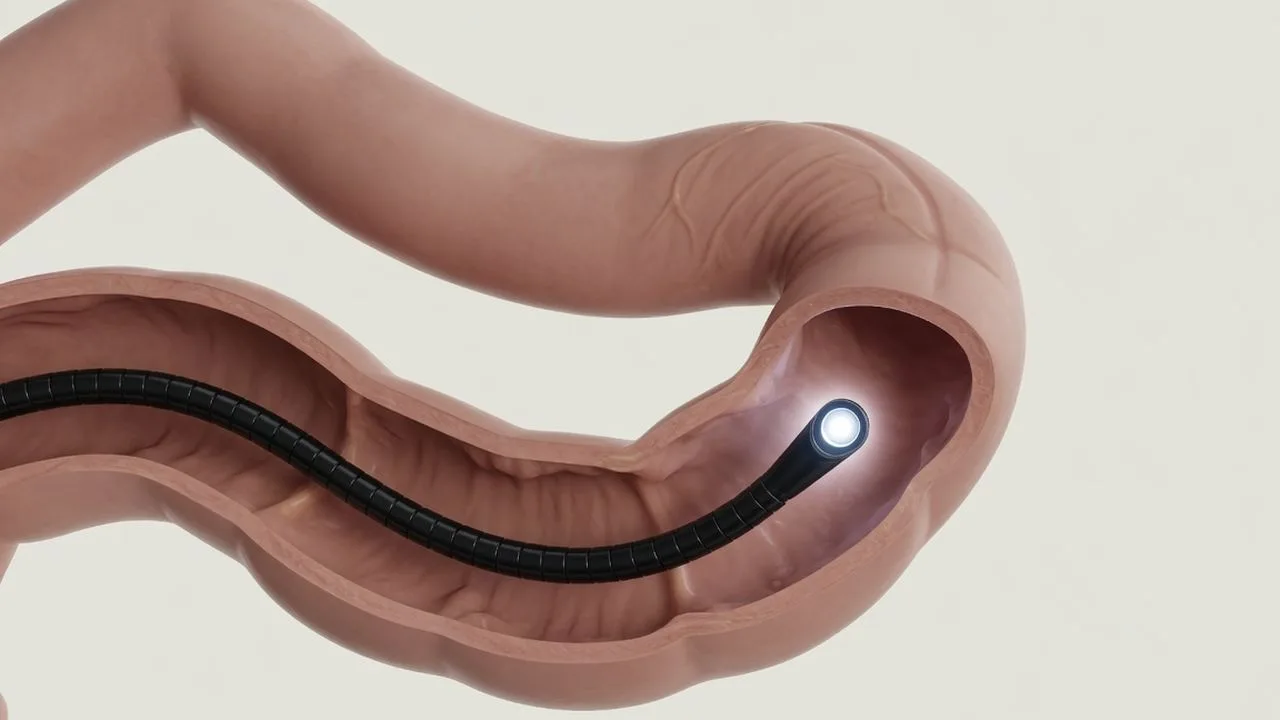
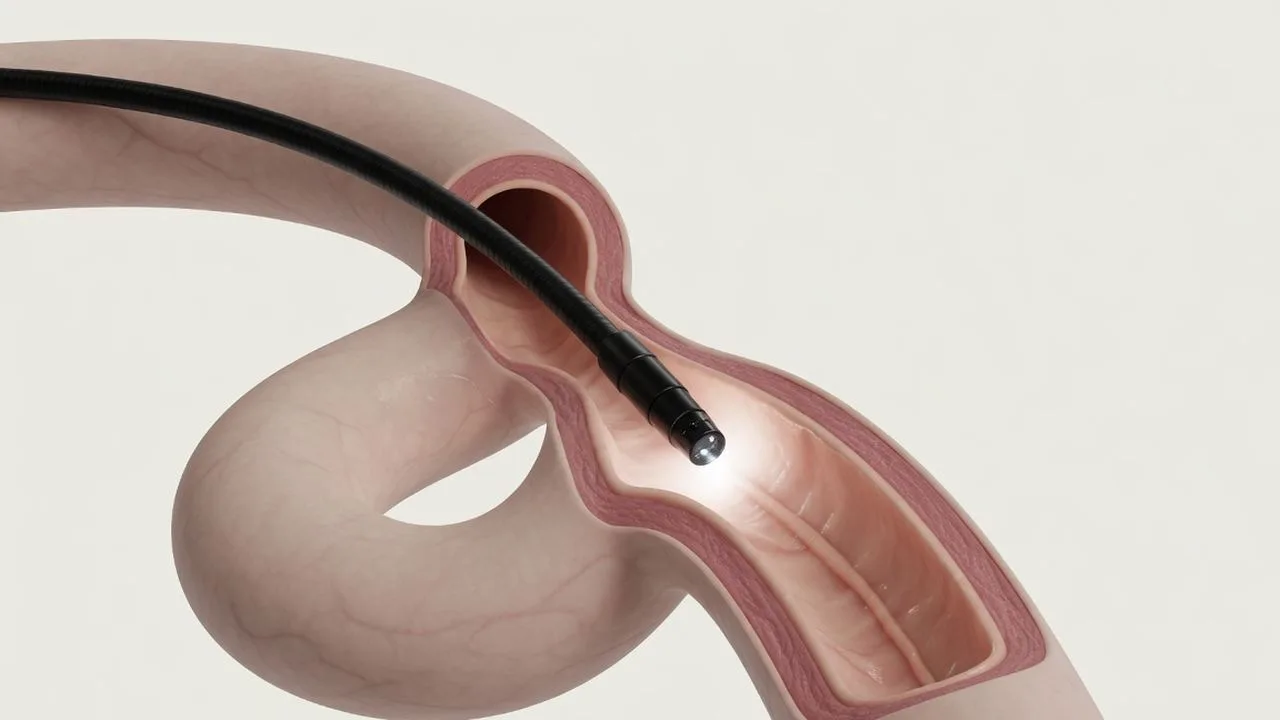
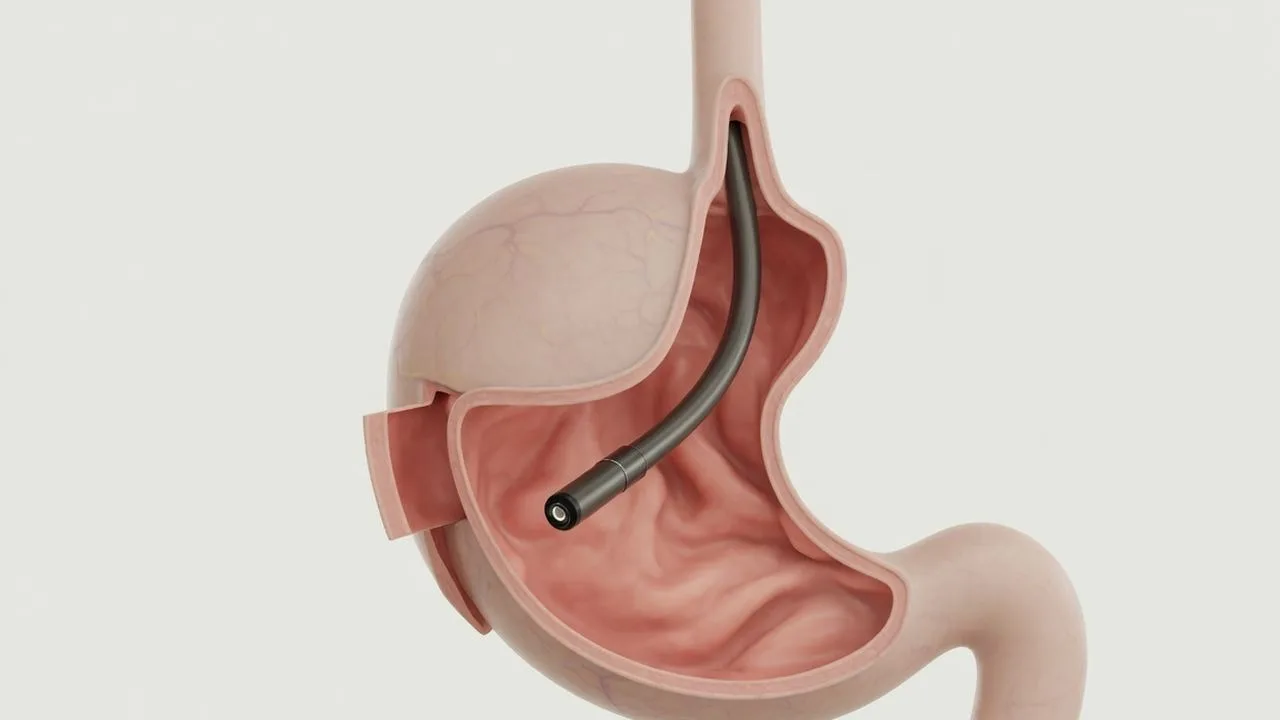
An endoscopy is a procedure that gives your doctor a direct view of your body's internal organs. The instrument itself is an endoscope, a thin, flexible tube with a light and a camera at the tip.
Endoscopes are named for the part of the body they examine:
- Gastroscope, for the stomach.
- Colonoscope, for the colon.
- Bronchoscope, for the lung.
The endoscope is usually inserted through one of the body's natural openings, such as the mouth, urethra or anus. That is the point of the technique: endoscopy allows a doctor to inspect and observe the inside of the body without performing major surgery. It still carries risks, which are set out further down, and it is still a procedure you consent to.
How Is Endoscopy Different From a Gastroscopy or Colonoscopy?
The two are not interchangeable: each looks at a different part of the digestive tract by a different route. If your referral names one of them, it is naming a specific examination, not a general category.
| Term | What is examined | How the endoscope reaches it |
|---|---|---|
| Gastroscopy, also called upper endoscopy | The oesophagus, stomach and first part of the small bowel | A thin flexible tube with a camera passes through the mouth and down into the stomach |
| Colonoscopy | The large bowel | A flexible tube called a colonoscope, with a tiny camera and light at the end |
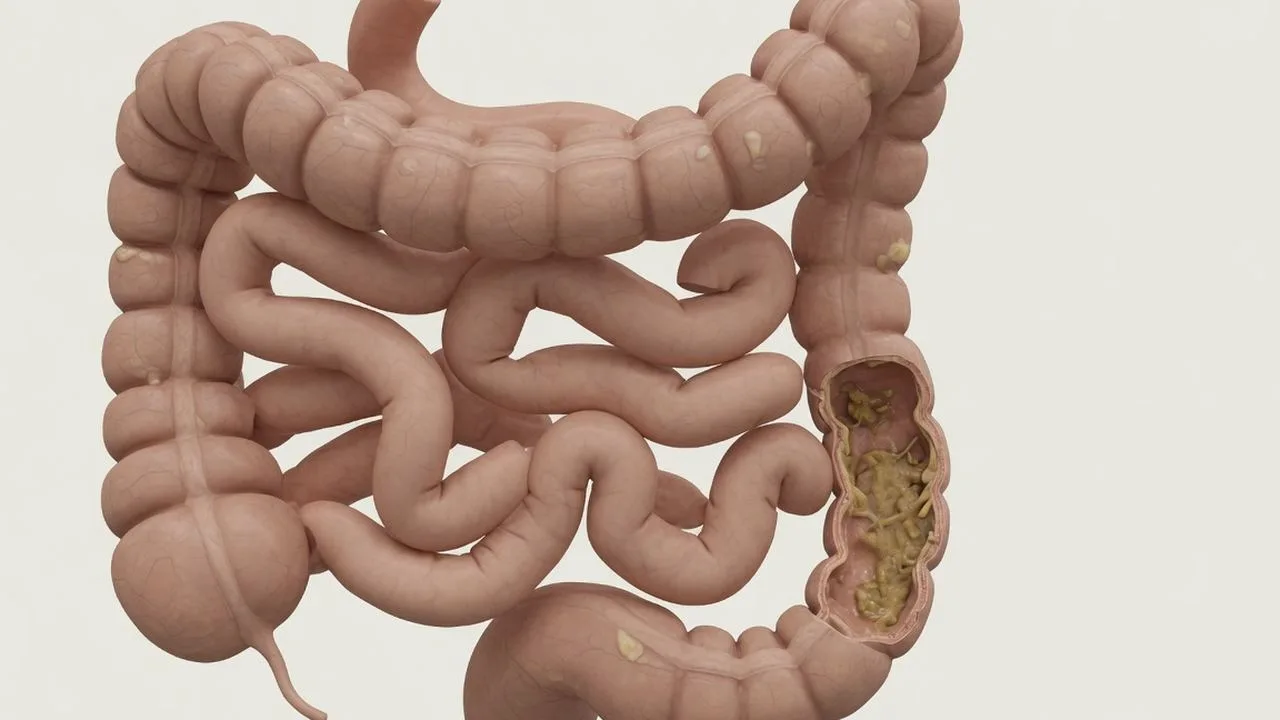
A gastroscopy, also known as an upper endoscopy, involves passing a thin flexible tube with a camera through the mouth and down into the stomach to look at the oesophagus, stomach and first part of the small bowel. A colonoscopy is a medical procedure that uses a flexible tube known as a colonoscope, with a tiny camera and light at the end, to look at the large bowel. For the full picture on that procedure, the colonoscopy guide covers it in its own right. Which one applies to you is a question for the doctor who wrote the referral.
Why Would a Doctor Recommend an Endoscopy?
A doctor may recommend a gastroscopy to investigate symptoms such as indigestion, nausea, vomiting, abdominal pain or difficulty swallowing. A colonoscopy may be done to find the cause of gut related problems such as abdominal pain or bleeding from the anus. The two sit at opposite ends of the digestive tract, so the symptom usually decides the examination.
What a gastroscopy is used for:
- Investigating the upper digestive tract. A gastroscopy can show whether there is inflammation, bleeding, an ulcer or a growth in the upper digestive tract, and it is also done as part of the testing for coeliac disease.
- Treating a condition, not just looking. A gastroscopy is sometimes done to treat a condition, for example to treat a bleeding stomach ulcer, to help widen a narrowed oesophagus, or to remove a swallowed object.
Bowel screening is a separate route to the same procedure: a positive result is often followed up with a colonoscopy to examine the large bowel directly.
Whether an endoscopy suits you is a matter for the treating doctor to discuss with you, and the doctor should explain the health problem, the main treatment and any other options. The main alternatives to endoscopy are x-rays for diagnostic procedures or open surgery for treatment procedures, and which is appropriate is a matter for the treating doctor.
How Do You Prepare for an Endoscopy?
Preparation depends on which type of endoscopy is booked, and the treating team gives the exact instructions. You will need to avoid eating and drinking for several hours before an endoscopy.
- Fasting for a gastroscopy. Your stomach needs to be empty so the doctor can see clearly and so you do not vomit, and the source states you should not eat or drink for 6 hours beforehand. That figure comes from Healthdirect's gastroscopy guidance and is not a universal rule across every endoscopy type or provider, so follow the instruction sheet your own team issues.
- Bowel preparation for a colonoscopy. Before a colonoscopy you need to prepare your bowel, and the regimen is set by the treating team. The colonoscopy guide covers what that involves.
- Your health history. Your doctor will check whether you have any allergies and ask about your other medical conditions before the procedure, and you should ask whether to take your regular medicines beforehand.
- On the day, for a gastroscopy. You may be given a local anaesthetic throat spray to numb your throat, you may need to wear a mouthguard to protect your teeth, and dentures may need to be removed.
Medicine questions are the ones most worth raising early rather than at the front desk on the morning. Put them to the doctor who ordered the procedure.
What Happens During an Endoscopy Procedure?
You might be given an anaesthetic or sedation during an endoscopy to help you relax and keep you comfortable. The specially trained doctor who manages a general anaesthetic is called an anaesthetist.
The two examinations run differently once you are in the room:
| Stage | Gastroscopy | Colonoscopy |
|---|---|---|
| Setting | Usually done as a day procedure in hospital | Usually takes less than 30 minutes |
| Anaesthesia | Usually done under sedation, and most people do not remember anything about it afterwards | You will typically receive a general anaesthetic or sedation to minimise pain or discomfort |
| Duration | Usually about 15 to 30 minutes | Usually less than 30 minutes |
| What the doctor does | Directs the endoscope through your mouth and down into your stomach and the first part of your small intestine, viewing images on a video monitor | Might remove any polyps, which are small tissue growths, and take biopsies for testing |
Those durations describe the usual case, not a commitment your provider has made. Ask what the plan is if the doctor finds something that needs treating on the day, because that changes both the time and the bill.
What Are the Risks and Complications of Endoscopy?
Endoscopies are generally safe, but there is a chance of side effects of sedation, bleeding, or tearing or piercing a hole in the area examined, and these are matters to raise with the treating practitioner. Possible complications of endoscopy include perforation of an organ, excessive bleeding and infection. None of these sources publishes a rate for how often each complication happens.
By procedure and by anaesthetic:
- Gastroscopy. Serious complications are rare, and possible complications include bleeding, a tear of the stomach or bowel lining, complications from sedation and chest infection, all of which are worth asking the treating practitioner about beforehand. A tear of the stomach or bowel lining is more likely when the gastroscopy involves a biopsy or the removal of polyps, which is something to discuss with the treating practitioner if a biopsy is planned.
- Colonoscopy. Complications during or after a colonoscopy are rare and include bleeding and perforation, which means poking a hole in the bowel, and you can ask your practitioner how each risk applies to you.
- General anaesthetic. General anaesthetics are generally safe, and possible risks include damage to your teeth, allergic reactions to anaesthetic medicines, temporary numbness or paralysis, and aspiration, which are matters to raise with the anaesthetist.
Before you agree to anything, the following five areas are the ones to have settled.
| Question area | What to clarify before proceeding |
|---|---|
| Procedure team | Who is responsible for assessment, the endoscopy itself and the sedation or anaesthetic |
| Written plan | The proposed examination, whether biopsies or polyp removal are anticipated, the follow-up pathway and results handover |
| Risk discussion | How each of the risks above applies to you, the benefits, the alternatives and when to seek help |
| Quote scope | Inclusions, exclusions, potential additional costs and cancellation terms |
| Aftercare | Contact arrangements and continuity of care after the procedure, including out of hours |
What Should You Expect After an Endoscopy?
Your health team will monitor you in the recovery area until the effects of the anaesthetic or sedation have worn off. Usually you will return to your normal activities within 1 to 2 days after an endoscopy, though that is a general pattern rather than a fixed schedule, and your discharge instructions come from the treating team.
After a gastroscopy specifically:
- You might feel drowsy from the sedation, have a slightly sore throat or feel slightly bloated.
- For the first 24 hours you should not drive, travel alone on public transport, operate machinery, sign legal documents or drink alcohol.
- You may need to make an appointment with your doctor to discuss the results of your gastroscopy.
After a colonoscopy, you will need somebody to help you get home, and straight after sedation you should not drive a car. Arrange that lift before the day, not from the recovery bay.
When Should You Contact Your Doctor After an Endoscopy?
You should visit your doctor immediately if you experience any serious side effects after an endoscopy, such as fever, severe pain or bleeding.
- After a gastroscopy: contact your doctor or hospital straight away if you have any symptoms that worry you, such as fever, worsening pain in your throat, chest or tummy, or difficulty swallowing.
- After a colonoscopy: call your doctor immediately if you have a fever.
Take the discharge paperwork home with you and keep the after-hours contact number where you can find it, because the symptoms above can appear once you are back at home rather than while you are still being monitored.
How Much Does an Endoscopy Cost in Australia?
What you pay out of pocket for an endoscopy is set by the specifics of your booking rather than by a single national figure. The practical drivers are these:
- Where the procedure is done, since a gastroscopy is usually done as a day procedure in hospital and the facility bills for that admission.
- Who is involved on the day, including the anaesthetist, the specially trained doctor who manages a general anaesthetic, who bills separately from the proceduralist.
- Whether anything is treated as well as examined, because your doctor might remove polyps and take biopsies for testing during a colonoscopy.
- Whether pathology is sent, since any biopsy taken goes to a laboratory that raises its own account.
- Follow-up, because you may need to make an appointment with your doctor to discuss your results.
Ask the treating practitioner or clinic for an itemised written quote before the procedure, and check that it separates the proceduralist's fee, the anaesthetist's fee, the facility or admission fee and any pathology, so two quotes can be compared line by line. Current figures are on the Endoscopy cost page, and what Medicare does with them is set out on Is Endoscopy Covered by Medicare.
Want the latest CostDoc cost data for endoscopy sent to you as it updates? Leave your email on the cost page and we will send it through.
How Do You Choose a Qualified Practitioner and Understand Your Rights?
Before an endoscopy you can check that the individual health practitioner you will see is qualified by looking them up on the Australian Health Practitioner Regulation Agency register, which lists the individual practitioner rather than the clinic brand. It is important to make sure that any health professional you see is qualified, and the AHPRA register is where you check it. The register publishes information about the registration status of health practitioners in Australia, and AHPRA operates it as part of the National Registration and Accreditation Scheme; it does not report success rates, complication rates or comparative quality, so it tells you that someone is registered, not how they perform.
Getting to that specialist starts with a GP referral, since your doctor can recommend someone or refer you to a specialist of your choosing. If you have doubts about a recommended treatment you can get a second opinion from another specialist.
Informed consent means agreeing to a test, medicine or procedure after being given information about your condition and your options, including the benefits and risks that apply to you, and having a chance to ask questions. Before agreeing to an endoscopy you should be given that information about your condition and your options, with the chance to ask questions. You have the legal right to refuse consent or withdraw consent for any proposed treatment, and the final decision is always yours.
Questions to put to the practitioner before you agree:
- What is the health problem, what is the main treatment for it, and what are the other options?
- Who performs each stage, including the sedation or anaesthetic, and are they on the AHPRA register?
- How does each of the risks listed above apply to me personally?
- Should I take my regular medicines beforehand?
- What does the written quote include and exclude, and what would add to it on the day?
- How are follow-up and complications handled, and by whom?
- What happens if I am unhappy with how the procedure or my care went?
If you have a concern about your care you can raise it with the practitioner or clinic, and you have the right to give feedback or make a complaint without it affecting how you are treated, including through your state or territory health complaints body. If something about your care does not go as expected your concerns must be heard and you should receive clear answers in a timely way. The Australian Health Practitioner Regulation Agency receives complaints, called notifications, about registered health practitioners on behalf of the national boards and manages the complaints process.