Laser eye surgery sits within ophthalmology, and an ophthalmologist is the person to confirm whether it is right for you. What follows explains how each system reaches its decision and what to ask before you assume either one contributes. This page is general information only and is not medical advice.
What Is Laser Eye Surgery?
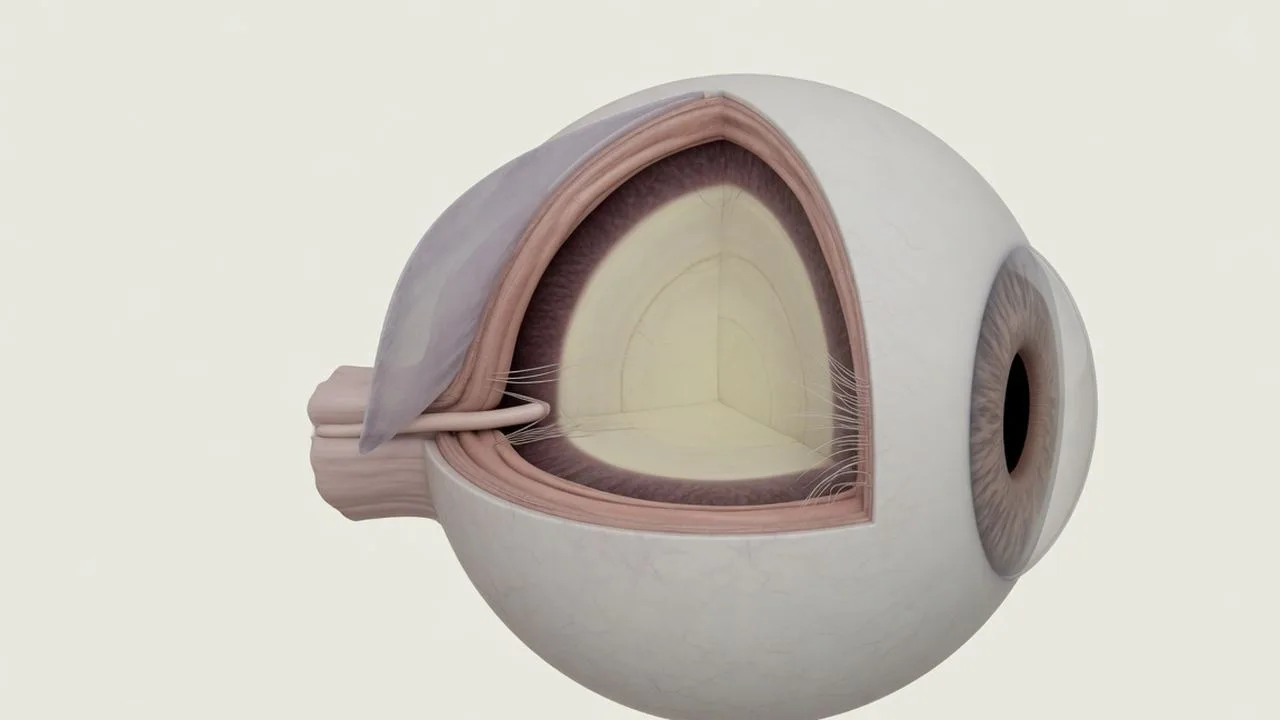
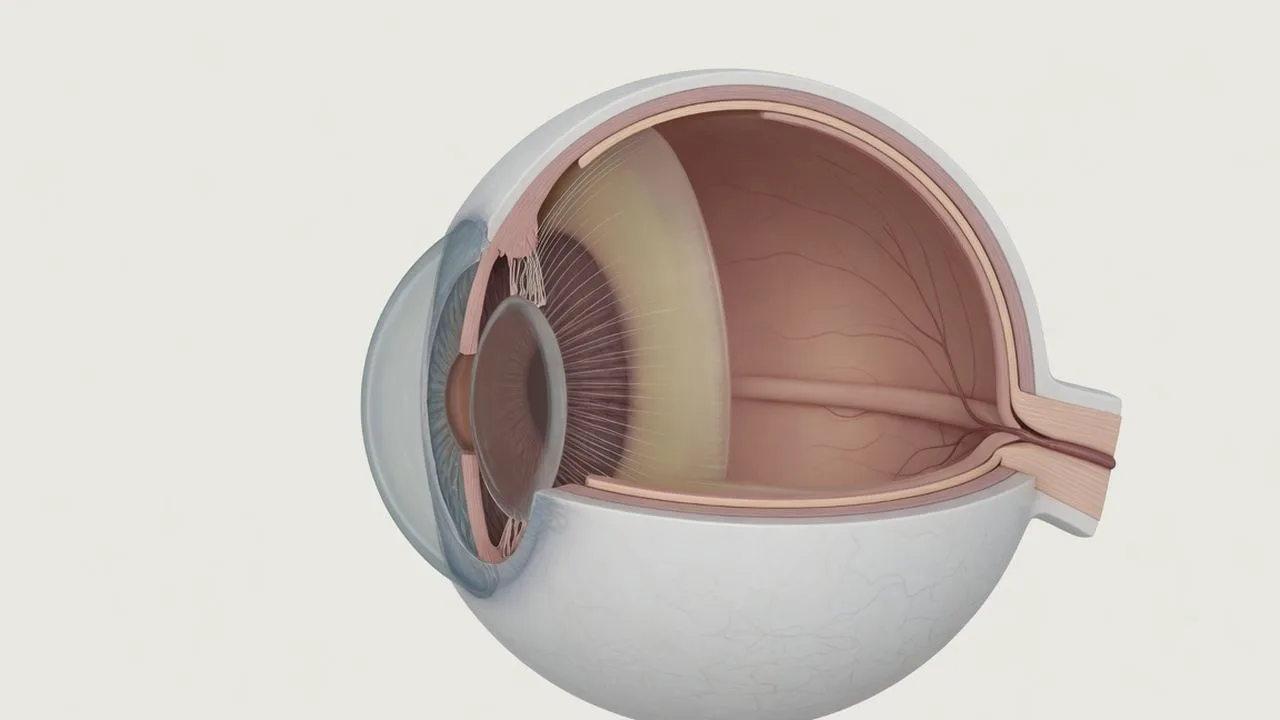
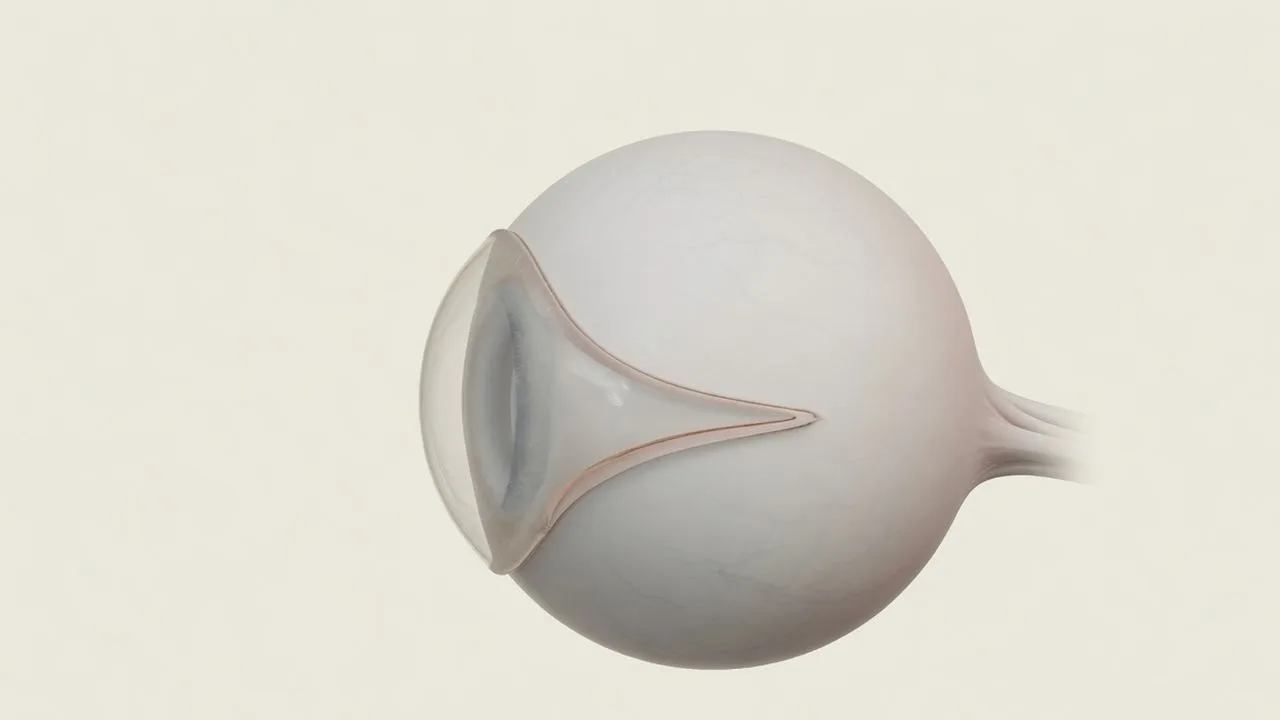
Laser eye surgery is most often used to correct vision by reshaping the cornea, which is the clear layer at the front of the eye that helps focus light coming into the eye. It is done to improve or correct short-sightedness, long-sightedness and astigmatism.
Two approaches carry most of the terminology you will see in a quote. LASIK and PRK, also called ASLA, are both laser vision correction techniques, and the laser eye surgery guide sets out how each one works.
The Royal Australian and New Zealand College of Ophthalmologists states that all therapeutic ocular laser procedures, meaning those that transmit through or affect the eye, are invasive surgical procedures. That classification matters when you are reading a policy or a quote, because an invasive surgical procedure is the kind of service a fund assesses against its exclusions and restrictions.
Is Laser Eye Surgery Covered by Medicare?
Whether Medicare contributes to a service depends on whether that service is listed on the Medicare Benefits Schedule, which is a listing of the Medicare services subsidised by the Australian Government. Not all health services are covered by Medicare. The current schedule position, item numbers and benefit detail for laser vision correction are set out on the is laser eye surgery covered by Medicare page.
Two practical points sit underneath that.
- A referral is part of the pathway. It is important to get a referral from your GP or your optometrist to see an ophthalmologist.
- Ask about billing at the point of booking. Confirm the expected cost and how you will be billed before the appointment goes ahead.
The Australian Government Medical Costs Finder lets you check typical costs for a procedure across Australia as a general guide, not a personal quote. Figures for laser vision correction are on the laser eye surgery cost page.
Does Private Health Insurance Cover Laser Eye Surgery?
Private health cover splits into two halves that do different jobs. Hospital cover helps with the costs of care and accommodation as a private patient in hospital, while extras cover, also called ancillary cover, covers health services provided outside of a hospital such as dental care and optical. General treatment cover, which is also called ancillary cover or extras cover, provides insurance against some or all costs of treatment by ancillary health service providers.
| Cover type | What it applies to |
|---|---|
| Hospital cover | Care and accommodation as a private patient in hospital |
| Extras or ancillary cover | Health services provided outside a hospital, such as dental care and optical |
| General treatment cover | Some or all costs of treatment by ancillary health service providers |
Which half of that structure a given service falls under, and what any individual policy does about it, is a question for the policy document and the fund. Policies can carry exclusions, which are specific services that are not covered at all, and restrictions, which are services covered to a limited extent, meaning greater out-of-pocket expenses. Waiting periods add a second variable: before buying a policy it is important to understand how long you need to wait before you can make a claim. HCF Eyecare, for example, describes a negotiated refractive-surgery saving for eligible HCF members at participating providers, its own discount arrangement rather than a description of cover in general; always confirm current terms and any policy exclusions, restrictions or waiting periods with your own fund before booking.
What Do Exclusions, Restrictions and Waiting Periods Actually Mean?
Exclusions and restrictions are written into the policy, not attached to the procedure, so two people quoted for identical treatment can get different answers from their funds. An exclusion is a specific service not covered at all, and a restriction is a service covered to a limited extent, meaning greater out-of-pocket expenses. The difference between those two words changes what you pay, so it is worth reading which one your policy applies.
- Check the exclusion list first, because an excluded service attracts no benefit regardless of how long you have held the policy.
- Then check restrictions, since a restricted service still leaves you with greater out-of-pocket expenses than an unrestricted one.
- Then check the waiting period, because you need to understand how long you must wait before you can make a claim.
Ancillary cover is the third variable. General treatment cover, also called extras cover, provides insurance against some or all costs of treatment by ancillary health service providers, and the words "some or all" are doing real work in that sentence. Ask your fund to put its answer for your policy in writing before you book anything.
Who Decides Whether Laser Eye Surgery Is Suitable for You?
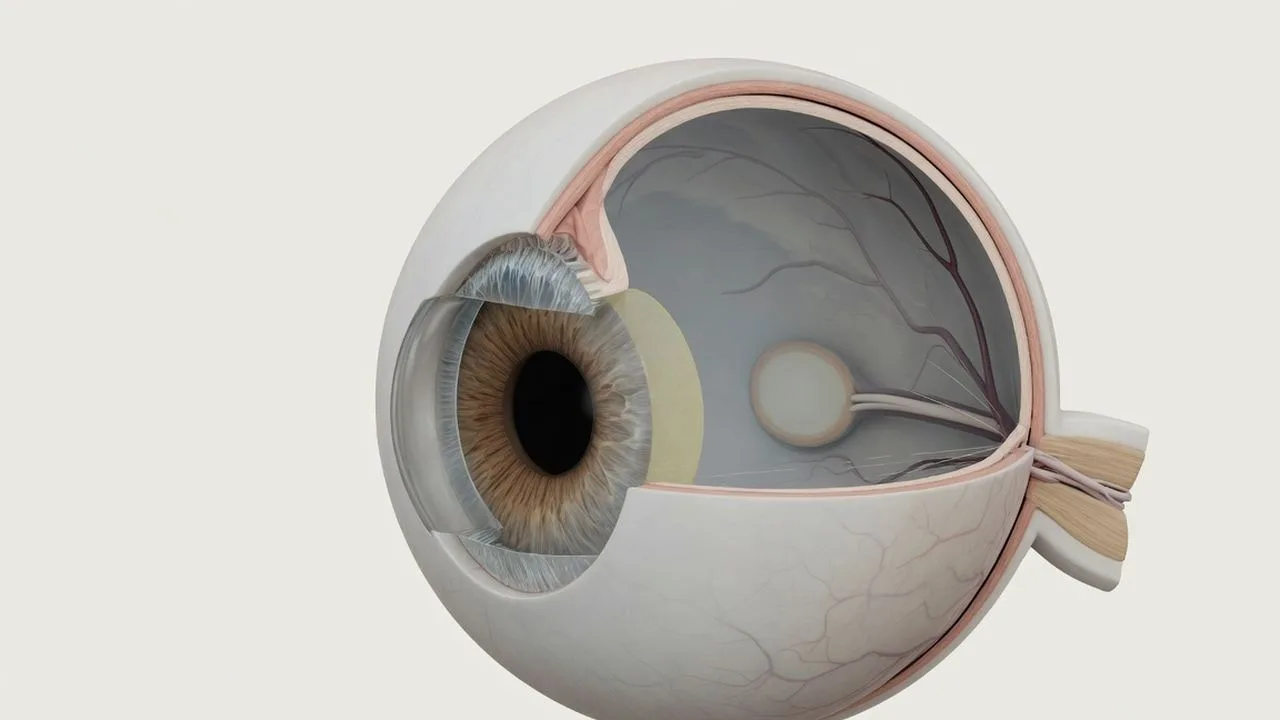
Suitability is confirmed in person by an ophthalmologist, who is the best person to guide you on whether laser eye surgery is right for you. Two general starting points shape that assessment: it is best that you are at least 20 years old before you consider laser eye surgery, and your refractive error, that is your prescription in glasses, should be stable before it is considered.
Healthdirect lists cataracts, eye surface health problems such as dry eye despite treatment, autoimmune disease, diabetes, some rheumatic conditions, keratoconus and a history of herpes in the eyes among the reasons a person may not be suitable for laser eye surgery. People with diabetes, uncontrolled rheumatic conditions, diseases of the immune system or a family history of keratoconus should be very careful in proceeding. None of that resolves your own position; it is the reason an ophthalmologist assesses each eye and each medical history individually before agreeing to operate.
Assessment starts earlier than the surgical consultation for many people. An optometrist or ophthalmologist can do an eye test using an eye chart to diagnose short-sightedness, which is one input into a wider assessment rather than the thing that decides whether surgery goes ahead. If a condition on that list applies to you, raise it at the first appointment rather than waiting for the surgeon to find it.
Who Performs Laser Eye Surgery and How to Check Them?
An ophthalmologist is a specialist eye doctor, that is a medical doctor with additional training in the diagnosis and treatment of eye conditions. Optometrists can prescribe and fit glasses and contact lenses but they are not doctors, and orthoptists are also not doctors and specialise in assessing and managing eye movement disorders such as double vision and strabismus. To see an ophthalmologist, it is important to get a referral from your GP or your optometrist.
The Royal Australian and New Zealand College of Ophthalmologists recommends that these procedures are performed by appropriately qualified and trained registered medical practitioners and ophthalmologists. It also recommends that all medical practitioners performing them have the skills and training to recognise and manage complications and adverse events, which is a reasonable thing for a patient to ask about before consenting.
Check the individual practitioner rather than the clinic brand, because you can confirm that any health professional you see is qualified by looking them up through the Australian Health Practitioner Regulation Agency. A brand on a shopfront tells you nothing about who will be at the laser on the day, so ask for the name of the treating doctor and look that name up.
Your rights sit alongside those checks:
- Information before consent. You have the right to be told about the possible benefits and risks of different tests and treatments, and agreeing to treatment only after you have all the information you need is called informed consent.
- A voice in the decision. You have the right to ask questions and take part in open and honest discussions, and to make decisions together with your healthcare provider.
- Disclosure when something goes wrong. Your provider must tell you if something goes wrong, and should explain what happened, how it may affect you, and what is being done to make your care safe.
- Somewhere to raise a concern. If you have a concern about your care it is a good idea to speak to the health professional first, and you can also contact the health complaints body in your state or territory, or the Australian Health Practitioner Regulation Agency if you are concerned about a practitioner's behaviour.
What Are the Risks and Possible Complications?
All vision correction laser procedures have a risk of complications. The college states that in ocular laser procedures the ocular tissue at risk includes the retina, cornea and lens, and that the macula, especially the fovea, is at risk of injury with substantial loss of vision able to result. Ask your ophthalmologist how each risk relevant to your eyes is monitored in your case.
| Risk category | What has been reported |
|---|---|
| Reported complications of laser vision correction | Dry eye, eye sensitivity to light and infection, each worth raising before you consent |
| Short term risks noted by the college | Damage to the crystalline lens, retinal burn and elevated ocular pressure |
| Potential long-term complications in the literature | Glaucoma, cataracts, retinal tear, retinal detachment, retinal haemorrhages, scotomas, an increased number of floaters and cystoid macular oedema, with more research needed on which are device related |
| Visual side effects reported after surgery | Increased sensitivity to glare, which can make driving dangerous, and halos, meaning rings of fuzzy light |
| Ongoing treatment sometimes needed | Lubricating eye drops or other treatment if dry eyes develop |
Regression can occur, meaning that over time some of the previous short-sightedness or long-sightedness can return, and vision correction does not guarantee you will never need glasses or contacts again. Ask how each of the risks above would be assessed and managed if it appeared in your case. The college and Healthdirect do not publish a rate for how often each of these happens.
What Changes the Total Cost of Laser Eye Surgery?
Several things move the total, and none of them are visible in a headline number. Current prices are on the laser eye surgery cost page.
- One eye or both. Treatment is priced per eye, and the procedure is performed using local anaesthetic eye drops and takes around 5 minutes per eye.
- The technique the ophthalmologist recommends. LASIK and PRK are different procedures, and which one is proposed changes the scope of work being quoted.
- The consultations and follow-up appointments that sit around the procedure itself, which may or may not be inside the quoted figure.
- A possible enhancement procedure later. An enhancement may be necessary to keep a patient out of glasses after laser eye surgery.
- Ongoing treatment for side effects. If you develop dry eyes afterwards you may need to use lubricating eye drops or have other treatment.
- Whether Medicare or your private fund contributes at all, which turns on the schedule listing, your policy exclusions and any waiting period still running.
Ask for an itemised written quote covering every one of those lines, then compare two quotes line by line rather than on the bottom figure. You should ask how much your treatment will cost when you make the appointment, and how you will be billed for it. The Australian Government Medical Costs Finder lets you search for a procedure or service and explore typical costs across Australia, and its information is a guide only and should not be used as a quote. Coverage detail sits on is laser eye surgery covered by Medicare. If you have already had laser vision correction, you can submit what you paid, or sign up for the email guide to get the updates as new data comes in.