How Long Does Laser Eye Surgery Recovery Take by Method?
It depends on the named method, not on a shared calendar. The type of surgery also changes how long people wait to see vision improve. Healthdirect splits those early windows by LASIK, SMILE and PRK.
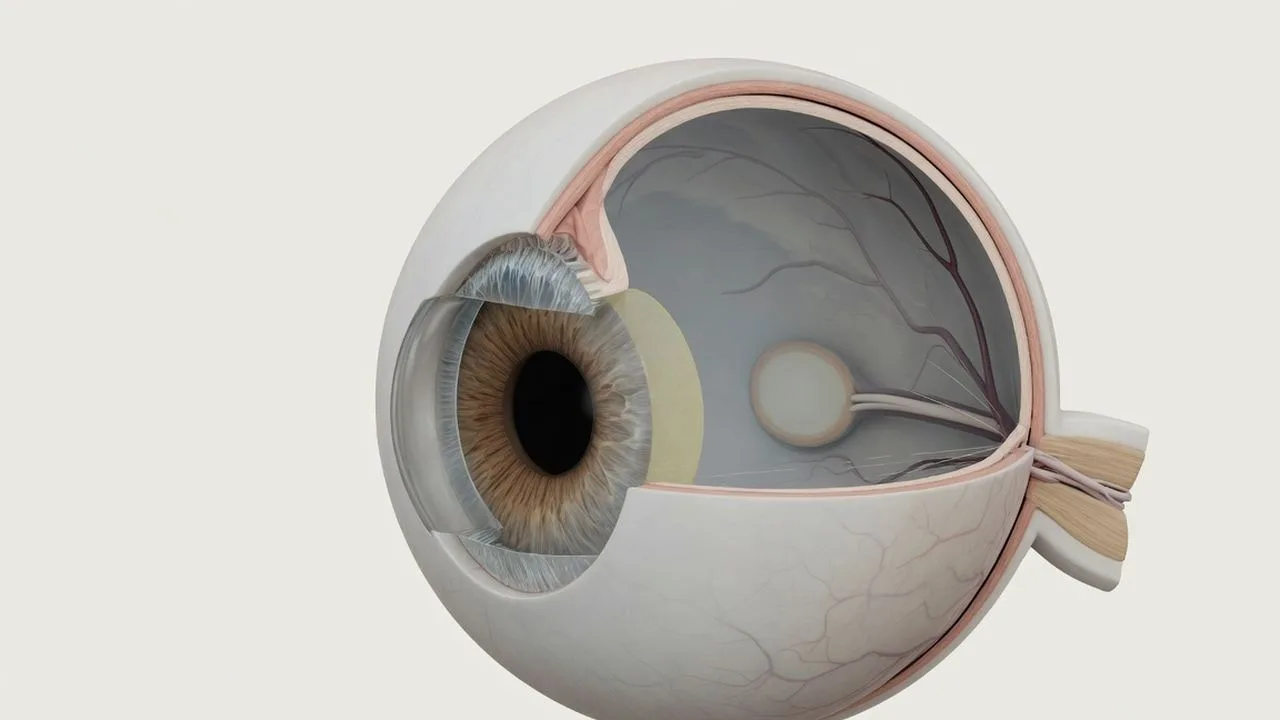
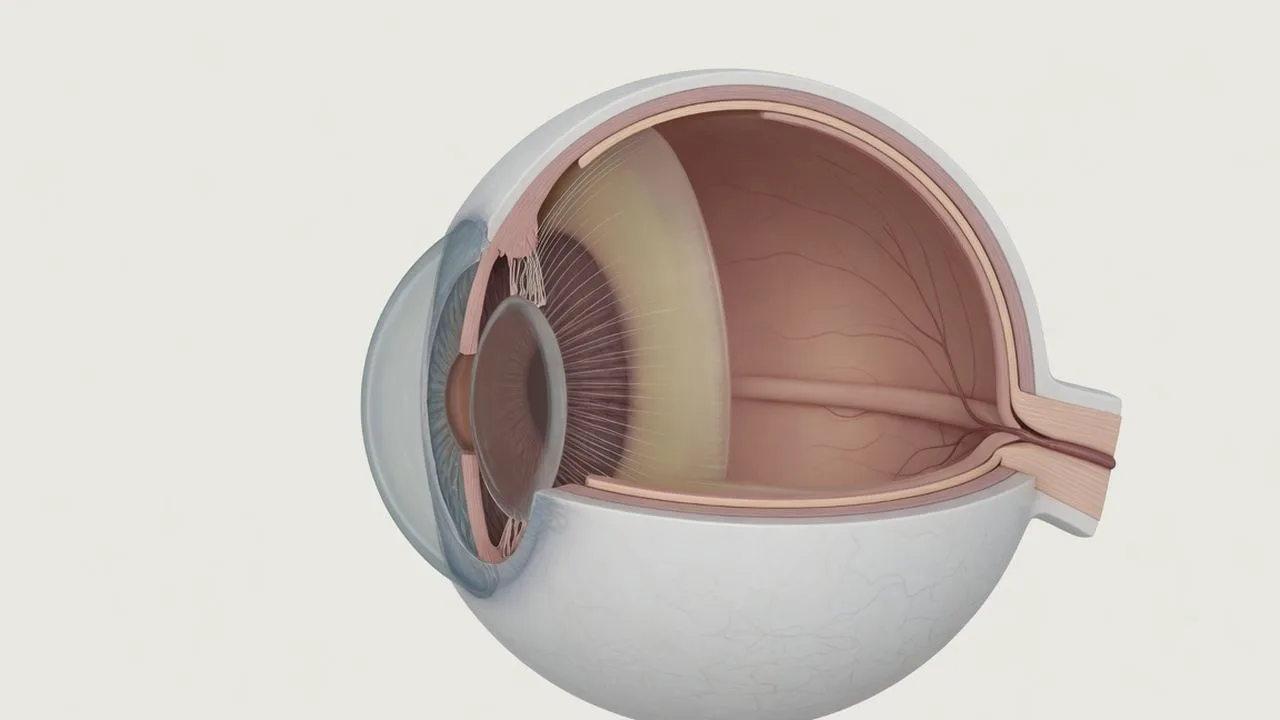
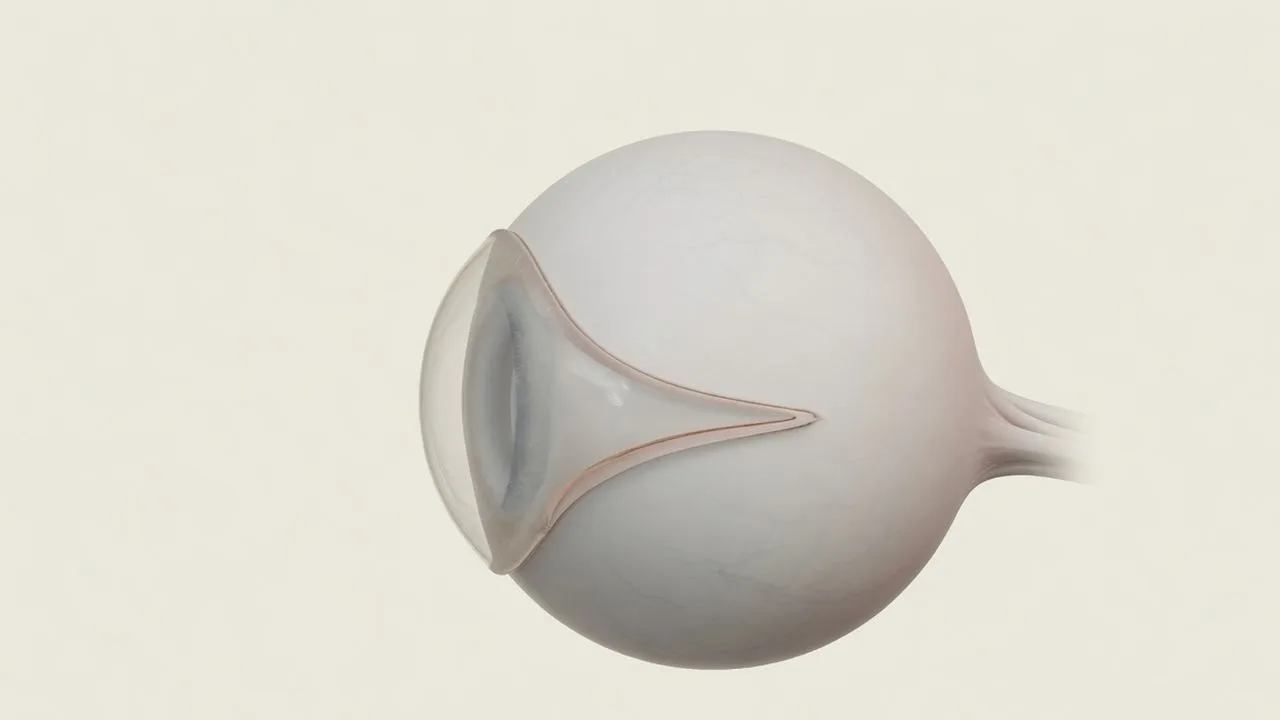
LASIK uses a flap on top of the cornea that is replaced after the work underneath. SMILE uses a tiny cut and takes a disc of tissue out from inside the cornea. PRK, also called ASLA, removes the top layer and works on the surface. Those differences are why the waits are not interchangeable. How each method is done in more detail sits on the laser eye surgery guide.
| Method | Early vision from the sources | Activity from the sources |
|---|---|---|
| LASIK | Comfortable vision the next day. Improves after 2 days. | Go home the same day. The surgeon sets return to activity. Final results can take up to 6 months. |
| SMILE | Improvement within a few days. | The treating doctor sets restrictions. Vision can take up to 6 months to stabilise. |
| PRK / ASLA | Usually at least a week of rest before return to normal activity. | The treating doctor sets restrictions. Vision can take up to 6 months to stabilise. |
Not every clinic offers every type, and a person may be suitable for one method and not another. Do not swap those windows between techniques, and do not treat a clinic blog timetable as a substitute for the written plan.
- LASIK: next-day comfort is the window, then 2-day improvement on the LASIK surgical page.
- SMILE: improvement within a few days.
- PRK / ASLA: usually needs at least a week of rest before normal activity.
- All named methods: ask the treating doctor for the restrictions that apply to you.
What Happens Immediately After Laser Eye Surgery?
Minor discomfort is expected, and vision is not perfectly clear. People still need a lift home, and a sleep once they are home.
You cannot drive straight after. After the operation you need to be driven home, or catch a taxi. After LASIK, people should be able to go home the same day.
The Better Health Channel page, produced with RANZCO, puts the first hours in four practical points.
- Discomfort: minor, not a pain score.
- Sight: you can see, though not perfectly clearly.
- Getting home: a driver or a taxi, not the driver's seat.
- Once home: a little sleep.
What Aftercare Is Used After Laser Eye Surgery?
Follow the written instructions from the ophthalmic surgeon or ophthalmologist. They are the source of drop names, sport limits and review dates, not a generic calendar.
Do not rub the operated eye. Plastic shields over the eye for several nights are used to stop rubbing damage. Antibiotic and anti-inflammatory drops are used in the operated eye for a period after surgery.
Healthdirect says the treating team might also ask for time off, drops, sport limits, a swimming break and a review booking.
- Work: they might ask for a few days off.
- Drops: they might ask for antibiotics or eye drops.
- Knocks: they might ask you to skip contact sports and anything that could knock the eye.
- Water: they might ask you to avoid swimming.
- Review: they might ask you to make a follow-up appointment.
Those are requests the treating team can make. They are not a day-by-day timetable you can copy from someone else.
When Can People Return to Activity After Laser Eye Surgery?
The surgeon tells you when you can return to normal activities. Speak to your doctor about the specific restrictions and expectations for your recovery.
You cannot drive straight after the surgery. Glare sensitivity can make driving dangerous even later, so clearance is a clinical call, not a blog day-count. Before starting exercise, ask the healthcare team or a GP. Regular exercise should then help people return to normal activities as soon as possible.
| Activity | What the sources support | What they do not fix |
|---|---|---|
| Driving home | Not straight after. A lift or a taxi. | No day when driving is automatically legal or safe. |
| Desk or other work | A few days off might be asked for. | No method-by-method work roster. |
| Exercise | Ask before you start. | No gym start date. |
| Contact sport or knocks | Skip activities that could knock the eye, if asked. | No week-number for return to sport. |
| Swimming | Avoid if asked. | No pool or ocean clearance date. |
- Ask who clears driving, and what glare would mean for that call.
- Ask which sports and which water are on the written list.
- Ask when the follow-up is. Do not invent a one-day, one-week, one-month pattern.
What Warning Symptoms Need a Doctor After Laser Eye Surgery?
Strong pain, or symptoms that get worse, needs a doctor immediately. Do not wait for the next booked review if those start.
Pain can happen after LASIK. Infection of the cornea can show as blurred vision, pain or eye redness. Infection may cause blurred vision or even permanent loss of vision. Extra glare that makes driving dangerous is another reason to stop and get advice, not to guess a clearance day.
- Strong pain. See a doctor the same day.
- Symptoms that worsen, instead of settling.
- Blurred vision, pain or redness that could point to a corneal infection.
- Glare that makes driving dangerous.
- Any infection sign that threatens sight. Infection can cost vision.
How you reach the surgeon after hours is one of the questions to lock in before the day.
What Risks Can Still Appear During Laser Eye Surgery Recovery?
Dry eye, light sensitivity and infection are the more common issues in the first few weeks. Most of those should last only a few days. Vision can still take up to 6 months to settle.
Dry eyes may need lubricating drops or other treatment. Blurred vision, halos or rings of fuzzy light may follow the treatment. Ongoing over- or under-correction, scarring, thinning or later change in the reshaped cornea can also prompt a second procedure. Superficial scarring needs a further procedure to rectify it. Excessive thinning may lead to a bulging similar to keratoconus. No rate is published for how often these happen.
The LASIK surgical page adds problems that belong to LASIK, not to PRK: dry eyes that usually ease after 3 months but can last more than a year, night-vision problems, thinning and weakness of the cornea, swelling or inflammation of the cornea, and rarely retinal detachment from the suction device. Safety questions that go beyond recovery sit on the laser eye surgery risks guide.
| Issue | What the sources describe |
|---|---|
| Dry eye, light sensitivity, infection | More common in the first few weeks. Most should last a few days. |
| Dry eye treatment | Lubricating drops or other treatment may be needed. |
| Halos or rings of fuzzy light | Can follow the treatment. |
| LASIK-only extras | Dry eyes for 3 months or more than a year, night vision, thinning, corneal swelling, suction-device retinal detachment. |
| Later surgical work | Over- or under-correction, scarring, thinning, or later change. |
- Ask which issues are specific to the method being offered.
- Ask what the plan is if a second procedure is needed.
How Long Can Laser Eye Surgery Results Last?
Most people see better. That is not a promise that glasses or contact lenses never come back. Some people still need them for optimum vision, even when unaided sight is much improved.
Most people stay free of glasses and contact lenses for many years. Over time some of the previous refractive error can return, and an enhancement procedure may be necessary. On the LASIK page, vision should improve after 2 days, with final results taking up to 6 months. That 6-month window also appears as the time vision can take to stabilise after these procedures.
Healthdirect says people under 40 should not need glasses or contacts after surgery, while noting that improvement depends on prescription stability and age. Presbyopia, the close-up focusing change that usually starts in the 40s, is a separate issue. Laser corneal sculpting does not usually correct it. Making one eye short-sighted (monovision), or replacing the lens, may be discussed instead.
- Early settling: days to a week, depending on method, then up to 6 months to stabilise.
- Years later: many people stay out of glasses for many years. Regression can still bring an enhancement into the conversation.
- After 40: ask whether the new problem is presbyopia, not the old prescription returning.
How Much Does Laser Eye Surgery Cost in Australia?
What you pay moves with the named method, whether a later enhancement is in the first figure, and who does the work. Current prices, and whether Medicare covers laser eye surgery, are on CostDoc's laser eye surgery cost page.
Not every clinic offers every type, and a person may be suitable for some procedures and not others. A second procedure is sometimes needed for over-correction, under-correction, scarring, thinning, or later change, and over- or under-correction may mean an enhancement for optimum results. Ask whether that later work is in the written figure, along with drops, reviews and how you reach the surgeon after the day.
CostDoc compares patient-reported and modelled laser eye surgery prices nationally. The live range is a starting point for questions, not a quote.
- Named method: LASIK, PRK or SMILE are not the same booking, and not every clinic offers all three.
- Enhancement: a second procedure is sometimes discussed. Ask if it is in the first figure.
- Aftercare in the quote: drops, reviews and after-hours contact.
- Who operates: an ophthalmologist, checked as an individual, not a brand.