Is Laser Eye Surgery Safe in Australia?
No. Every vision-correction laser still has complications. Healthdirect says complications are more likely in the first few weeks after surgery, and infection after LASIK specifically may cause blurred vision or even permanent loss of vision. An ophthalmologist applies this list to your own eyes, history and the method being offered.
Australian consumer sources treat the work as a procedure with benefits and with risks, not as a promise of no harm. Complications are more likely in the first few weeks. Informed consent is your voluntary decision, made with knowledge and understanding of those benefits and risks. Most people see better afterwards. That is not the same as never needing glasses or contact lenses again.
| What people mean by "safe" | What the sources support |
|---|---|
| Zero risk | Not supported. All vision-correction lasers have complications. |
| Early issues that settle | Dry eye, light sensitivity and infection are the more common ones in the first weeks. |
| The same risk for every method | Not supported. You may suit some procedures and not others. |
| A clinic brand as proof | Not supported. An ophthalmologist applies this to you. |
- Suitability for one named method is not suitability for all.
- A conversation that skips personal risks, benefits and alternatives is not informed consent.
What Laser Eye Surgery Risks Should Be Discussed?
Dry eye, light sensitivity and infection are the more common issues in the first few weeks.
Healthdirect groups those three as the usual early list. Most of those concerns should last only a few days. Vision can still take up to 6 months to settle. Dry eyes may need lubricating drops or other treatment. Infection is extremely rare, but antibiotics may be needed. After LASIK, infection may still cause blurred vision or even permanent loss of vision.
Other named issues sit beside that early list. Healthdirect does not publish rates for how often each of these happens.
- Glare: some people report extra sensitivity, which can make driving dangerous.
- Halos: rings of fuzzy light may follow the treatment.
- Scarring: superficial scarring will need a further procedure to rectify.
- Thinning: excessive thinning may bulge the cornea in a way similar to keratoconus, with vision dropping enough to need contacts or more surgery.
- A second procedure: over-correction, under-correction, scarring, thinning or later change in the reshaped eye are all reasons a second operation is discussed.
| Question area | What to clarify before proceeding |
|---|---|
| Procedure team | Who is responsible for assessment, planning and each stage of the procedure |
| Written plan | The proposed procedure, expected scope, follow-up pathway and document handover |
| Risk discussion | Personal risks, benefits, alternatives and when to seek help |
| Quote scope | Inclusions, exclusions, potential additional costs and cancellation terms |
| Aftercare | Contact arrangements and continuity of care after the procedure, including out of hours |
Take that table into the consult. A general reassurance that "most people do well" is not a personal risk discussion.
Does Laser Eye Surgery Hurt?
Drops numb the eye so you do not feel pain during the work.
The doctor usually places local anaesthetic eye drops first. Those drops are the reason the work is not felt as pain at the time. After the operation, expect minor discomfort, with vision that is not perfectly clear, a lift home, and a sleep once you are there. Pain is also listed as a consequence of LASIK, so "numb on the day" is not the same as "no pain at all".
- During the work: anaesthetic drops numb the eye.
- Afterwards: expect minor discomfort.
- LASIK specifically: pain is named as a consequence of that method.
- A warning sign: strong pain, or symptoms that get worse, needs a doctor the same day.
Do not treat a marketing line about comfort as the aftercare plan. Follow the written instructions from the ophthalmic surgeon or ophthalmologist.
Do LASIK, PRK and SMILE Carry the Same Risks?
No. Some complications attach to a flap and a suction device, and those items belong to LASIK.
How each method opens the cornea is the reason the risk lists split. The method comparison itself sits in the laser eye surgery guide. What matters here is which problems travel with which method.
| Method | How the surface is opened | Risks the sources attach to that method |
|---|---|---|
| LASIK | A flap on top of the cornea, laser on the layer underneath, flap replaced. | Under- or over-correction, dry eyes that usually ease after 3 months but can last more than a year, night vision problems, thinning and weakness, and rarely retinal detachment from the suction device. |
| PRK / ASLA | The top layer is softened and removed, then the surface is reshaped. | The suction-device items on the LASIK list do not automatically apply. |
| SMILE | A tiny cut, then a disc of tissue is removed. | A different opening, so flap-lift problems are not the SMILE list. |
LASIK has extra named items on the licensed surgical page:
- Rarely the flap cannot be created, and the operation is changed to LASEK.
- Double vision usually eases, but it can be permanent and may need special glasses, injections or another operation.
- Blurred vision, headaches and night vision problems, including in people with large pupils, can be corrected with glasses or another procedure.
- If only one eye is treated, the difference between the two eyes can cause headaches, dizziness, poor judgement of distances, and trouble with reading, close work, driving and sport.
- Thinning and weakness is more common if the cornea was already abnormally shaped.
- The suction device can also pull the gel inside the eye away (posterior vitreous detachment). Vision should settle after 1 or 2 minutes.
- Ask which of those LASIK-only items apply if a flap is planned.
- Ask what happens if the flap cannot be finished.
Who Should Delay or Avoid Laser Eye Surgery?
An ophthalmologist applies this to you. The lists below are reasons delay or avoidance is discussed, not a quiz that resolves to yes or no.
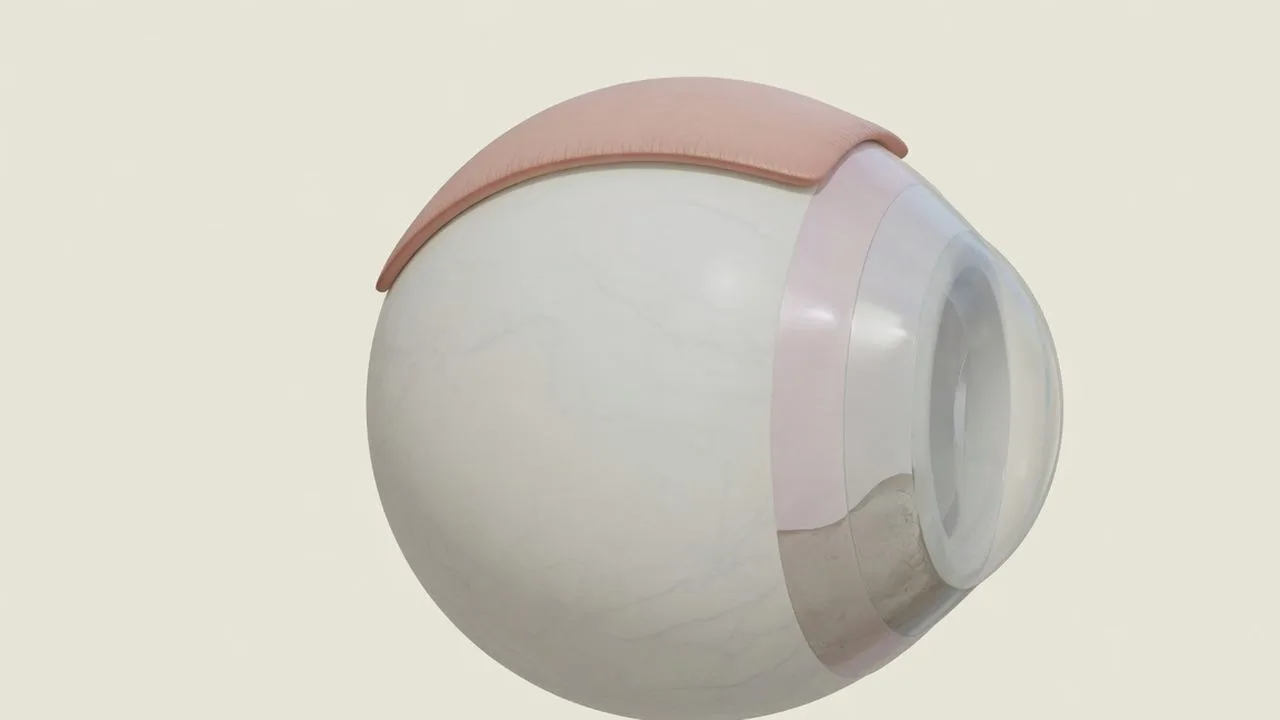
Most surgeons want a glasses prescription that has been stable for at least 2 years. Getting the work while the eyes are still growing can increase risks and may spoil the long-term result. Better Health Channel, produced with RANZCO, says it is best to be at least 20, with a stable refractive error.
| Situation | What the sources support |
|---|---|
| Cataracts, poorly treated dry eye, pregnancy or breastfeeding, autoimmune disease, glaucoma | Delay or avoid is often discussed. |
| Diabetes, some rheumatic conditions, keratoconus, herpes in the eyes, or a prescription outside the treatable range | May not be suitable. |
| Abnormally shaped or very thin corneas | Extra risk. Thinning after LASIK is more common if the cornea was already abnormally shaped. |
| Diabetes, uncontrolled rheumatic disease, immune-system disease, or a family history of keratoconus | Proceed only with extra care. |
| Age 40 and over, reading vision fading | Presbyopia is a different problem. Laser corneal sculpting does not usually fix it. Monovision or lens-based work may be raised instead. |
Glasses and contact lenses remain the non-surgical options. Surgical alternatives named for LASIK include replacing the natural lens, implanting a phakic lens in front of it, and the other laser methods.
- Do not treat a friend's outcome as your clearance.
- Some people still need glasses or contacts afterwards, even when unaided sight is much improved.
How Do You Check Who Performs Laser Eye Surgery in Australia?
An ophthalmologist is the specialist eye doctor. Check the individual on the Ahpra public register, not the clinic brand.
Appearance on the register means they may practise, and shows any registration type or conditions that limit what they can do. It is not a skill badge for this laser. The ophthalmology hub is the wider CostDoc starting point for eye procedures.
- Check the named person, not the brand.
- Read any conditions on the register entry.
- Confirm who does the work if the usual surgeon is away.
A clinic that deals plainly with you will put those answers in writing before a date is booked.
What If Laser Eye Surgery Does Not Go to Plan?
A second procedure is sometimes needed for over-correction, under-correction, scarring, thinning, or later change in the reshaped cornea.
Regression is the source word for a prescription that creeps back. An enhancement may then be discussed. Scarring can need the same follow-up work. None of those pathways is a promise that a second operation is included in the first quote.
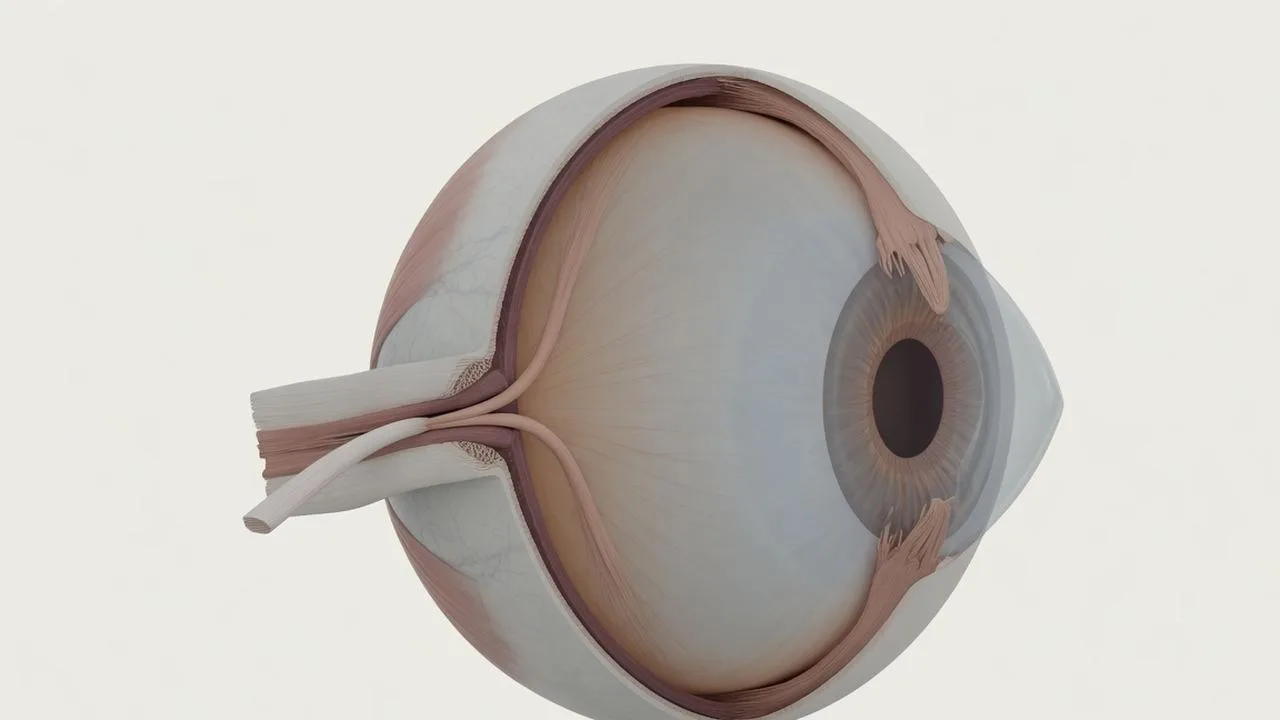
Aftercare still belongs to the treating team. Follow the written instructions. Do not rub the operated eye. Plastic shields over the eye for several nights are used to stop rubbing damage. Strong pain, or symptoms that worsen, needs a doctor the same day.
If the issue is the result, or the way you were treated:
- Raise it first with the practitioner or clinic.
- For a service or fee dispute, use the healthcare complaints organisation in your state or territory.
- Anyone can raise a concern with Ahpra if a registered practitioner may be putting public safety at risk.
How Much Does Laser Eye Surgery Cost in Australia?
What you pay moves with which method is planned, who does the work, what follow-up is included, and whether a second procedure sits inside the quote. Current prices, and whether Medicare covers laser eye surgery, are on CostDoc's laser eye surgery cost page.
The live range is a starting point for questions, not a quote. The usual reasons two written quotes sit apart are:
- Method. LASIK, PRK and SMILE are different operations, and not every clinic offers every type.
- Who does the work. An ophthalmologist is the specialist. The named person on the quote should match the person on the register.
- Follow-up. Long-term drops, reviews and after-hours contact change the scope.
- A second procedure. Over-correction, under-correction, scarring, thinning or later change can mean more work. Ask whether that is in the first figure.
Compare those four items in writing. A cheaper-looking total that omits enhancement is not the same job.