What Is Laser Eye Surgery and How Does It Work?
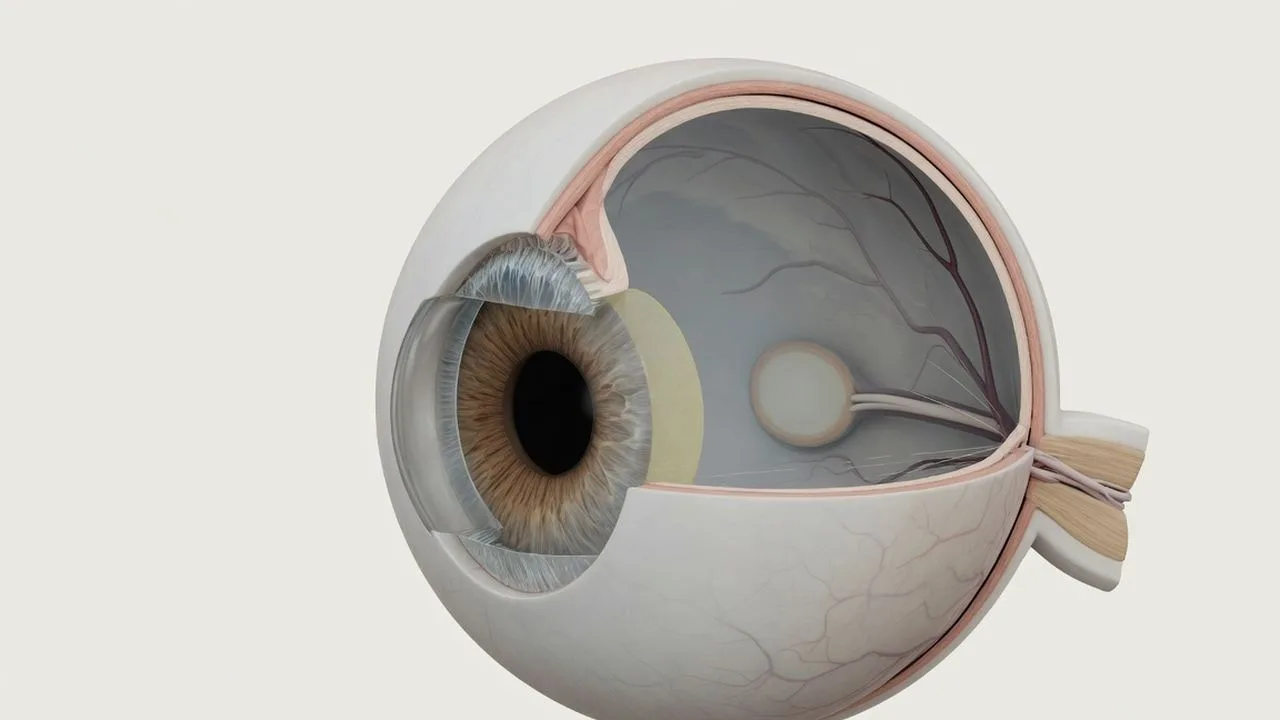
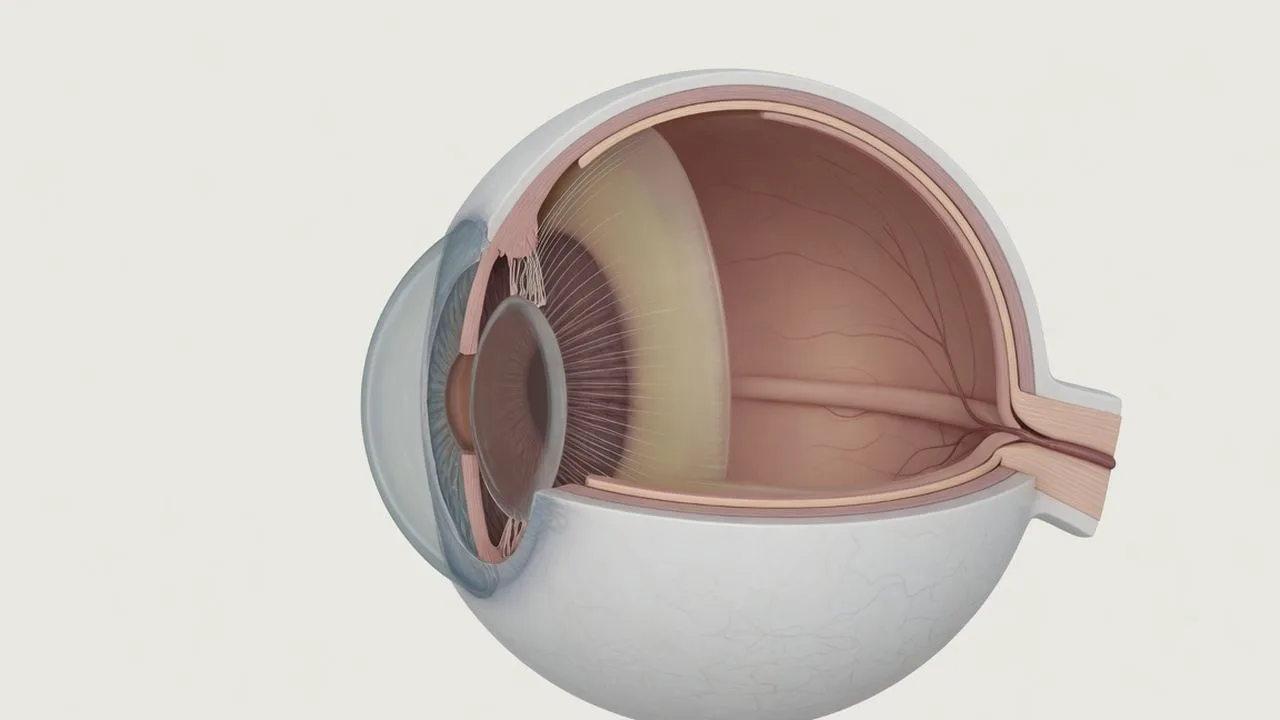
A laser reshapes the cornea so light focuses more usefully on the back of the eye. Named methods include LASIK, PRK and SMILE. The cornea is the clear layer at the front. A misshaped cornea can blur or distort vision and is linked with short-sightedness (myopia), long-sightedness (hyperopia) and astigmatism.
Healthdirect puts this as an alternative to glasses or prescription contact lenses. Most people see better afterwards. That is not the same as never needing glasses again.
- Ask how your own prescription maps onto the treatable range.
- Ask which named method is being proposed, and why that one for you.
What Types of Laser Eye Surgery Are There?
LASIK, LASEK, PRK, ASLA and SMILE are the types named for vision correction. Different sight problems need different work, and not every clinic offers every type. The Better Health Channel page on laser eye surgery was produced with RANZCO.
| Method | What the sources describe |
|---|---|
| LASIK | A flap on top of the cornea, laser on the layer underneath, flap replaced. |
| PRK / ASLA | The top layer is softened and removed, then the surface is reshaped. |
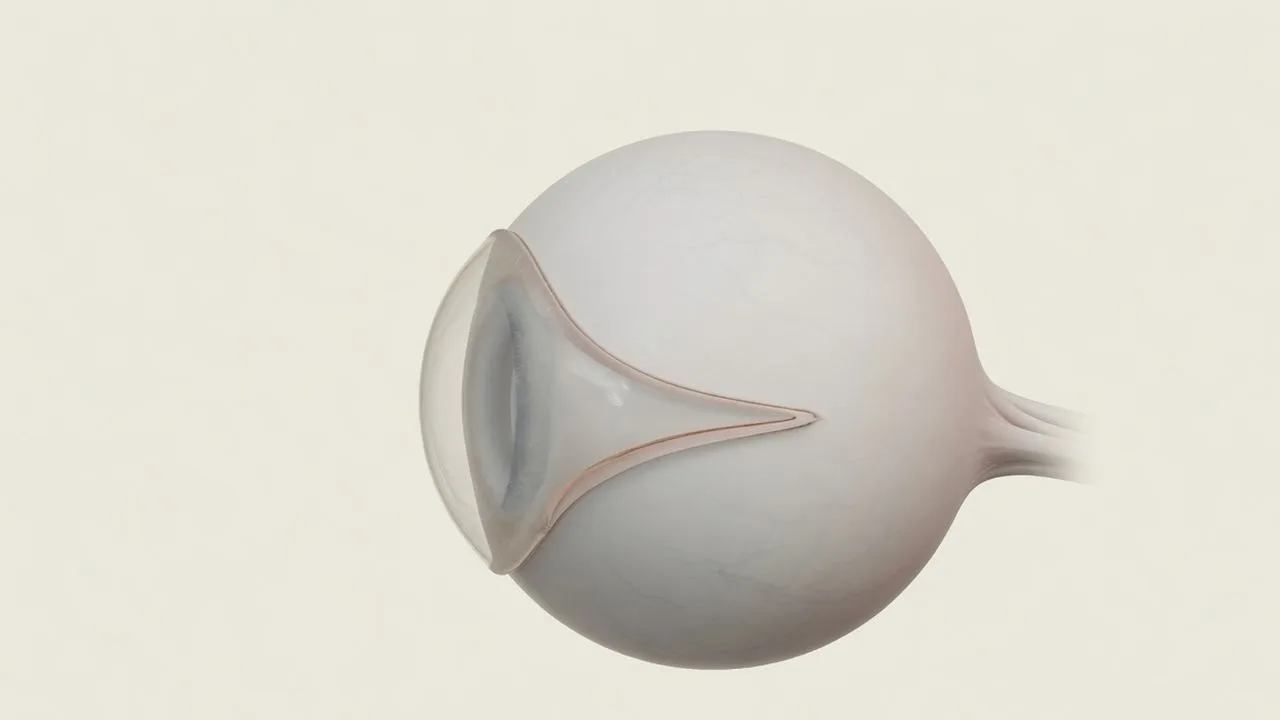
| SMILE | A laser makes a tiny cut and removes a disc of tissue. |
LASIK on the licensed surgical page usually takes 10 to 20 minutes under anaesthetic drops. Better Health Channel, consulted with RANZCO, puts the whole appointment around 5 minutes per eye, with the actual reshaping usually less than a minute. Those are different pages. Neither is your booking.
- Ask whether a flap, a surface treatment or a disc removal is planned.
- Ask what happens if the planned method cannot be finished.
Is Laser Eye Surgery Right for Me?
An ophthalmologist (specialist eye doctor) is the person who can say whether it is an option for you. Age, the reason for surgery, and a full history all matter.
Most laser eye surgeons want the glasses prescription stable for at least 2 years. Better Health Channel says it is best to be at least 20.
| Situation | What the sources support |
|---|---|
| Stable glasses prescription for at least 2 years | Usually a precondition. |
| Cataracts, poorly controlled dry eye, pregnancy or breastfeeding, autoimmune disease, glaucoma | Delay or avoid is often discussed. |
| Diabetes, some rheumatic conditions, keratoconus, herpes in the eyes, or a prescription outside the treatable range | May not be suitable. |
| Age 40 and over, reading vision fading | Presbyopia is a different problem. Monovision or lens-based work may be raised instead. |
Estimates suggest that around 30 percent of Australians have myopia. That is not a reason, on its own, to book surgery.
- Ask how the x-ray of the cornea, the prescription history and your medical list apply to you.
- Get the aftercare and the plan for a second procedure in writing.
How Do You Prepare for Laser Eye Surgery?
Preparation depends on the method and the clinic. The ophthalmologist or optometrist gives the instructions.
Usually you stop contact lenses beforehand. You cannot drive straight after, so someone needs to take you home. After the operation, Better Health Channel describes minor discomfort, vision that is not perfectly clear, and a sleep once you are home.
- Stop contact lenses when told.
- Arrange a lift. You cannot drive that day.
What Happens During Laser Eye Surgery?
Anaesthetic drops numb the eye. The laser is set to your prescription. What happens next depends on the named method.
- LASIK: a flap is made, the layer underneath is reshaped, the flap goes back. You should be able to go home the same day.
- SMILE: a tiny cut, then a disc of tissue comes out.
- PRK (ASLA): the top layer is softened and removed, then the surface is reshaped.
Related CostDoc reading: LASIK and laser-eye techniques compared.
- Ask which method, and why that one for your cornea.
- Ask who is in the room, and how you reach them that night.
How Long Does Laser Eye Surgery Recovery Take?
It depends on the method. LASIK vision is fairly comfortable the next day. SMILE brings improvement within a few days. PRK/ASLA usually needs at least a week of rest before normal activity.
On the LASIK surgical page, vision should improve after 2 days, with final results taking up to 6 months. That 6-month window also appears as the time vision can take to stabilise after any of these procedures.
You may be asked to take a few days off work, use drops, skip contact sports, avoid swimming, and not rub the eye. Plastic shields over the eye for several nights are used to stop rubbing damage.
Related reading: laser eye surgery recovery and aftercare.
- Follow the written aftercare.
- Do not rub the operated eye.
What Are the Risks of Laser Eye Surgery?
All vision-correction laser procedures have a risk of complications. More common ones in the first few weeks are dry eye, light sensitivity and infection. Most of those should last only a few days. Vision can still take up to 6 months to settle.
- A second procedure is sometimes discussed for over-correction, under-correction, scarring, thinning, or later change in the reshaped cornea.
- The LASIK surgical page adds dry eyes that usually ease after 3 months but can last more than a year, night-vision problems, thinning and weakness of the cornea, and rarely retinal detachment from the suction device. Those suction-device items belong to LASIK, not to PRK.
- If you have strong pain, or symptoms get worse, see a doctor immediately.
Related: laser eye surgery risks and safety questions.
- Ask which complications are specific to the method being offered.
- Ask what the plan is if a second procedure is needed.
Who Can Perform Laser Eye Surgery in Australia?
An ophthalmologist is the specialist eye doctor. Your doctor or optometrist can recommend a specialist clinic. Check the individual on the Ahpra public register, not the clinic brand.
Appearance on the register means they may practise, and shows any conditions. It is not a skill badge for this laser.
- Check the named person, not the brand.
- Ask who does the work if the usual surgeon is away.
What Are the Alternatives to Laser Eye Surgery?
Glasses and contact lenses remain the non-surgical options. Surgical alternatives named on the LASIK page include replacing the natural lens, implanting a phakic lens in front of it, and the other laser methods (LASEK, PRK, SMILE).
If you do not have the operation, you keep wearing glasses or contact lenses. A different laser method, or a lens operation, may still be on the table.
After 40, presbyopia (close-up fading) is a different problem. Laser corneal sculpting does not usually fix it. Making one eye short-sighted (monovision), or replacing the lens, may be discussed instead.
- Glasses and contacts still work.
- After 40, ask whether the real issue is presbyopia.